No Result
View All Result
  • Login
Wednesday, August 5, 2026
theadvisertimes.com
  • Home
  • Business
  • Financial Planning
  • Personal Finance
  • Investing
  • Money
  • Economy
  • Markets
  • Stocks
  • Trading
  • Home
  • Business
  • Financial Planning
  • Personal Finance
  • Investing
  • Money
  • Economy
  • Markets
  • Stocks
  • Trading
No Result
View All Result
theadvisertimes.com
No Result
View All Result
Home Money

Bank Versus Credit Union — Which Will Serve Your Needs Better?

by theadvisertimes.com
6 months ago
in Money
Reading Time: 5 mins read
A A
0
Bank Versus Credit Union — Which Will Serve Your Needs Better?
Share on FacebookShare on TwitterShare on LInkedIn


Image source: shutterstock.com

Choosing where to keep your money can feel like a boring decision until a fee hits, a loan quote disappoints you, or customer service leaves you stuck on hold. Banks and credit unions both offer checking, savings, loans, and online tools, but they’re built on different models that can affect your everyday experience.

A bank is typically a for-profit business that answers to shareholders, while a credit union is a member-owned cooperative that exists to serve its members. That difference can show up in rates, fees, and how flexible they are when you need help. The best choice depends on what you value most: convenience, pricing, service, or specialized products. Here’s how to compare the two in a way that actually helps you decide.

1. Ownership Structure Changes Priorities

Banks are generally designed to generate profit, which can influence fee structures and product pricing. Credit unions are owned by their members, so the goal is often to return value through lower fees, better rates, or stronger service.

That doesn’t mean every bank is expensive or every credit union is cheaper, but it changes incentives. Many credit unions emphasize community and relationship banking, which can matter when you need a human solution. Banks may offer broader product lines and larger technology budgets. Start by deciding whether you want a relationship-focused experience or a scale-focused one.

2. Fees Can Make The “Better” Option Obvious Fast

Monthly maintenance fees, overdraft fees, ATM fees, and minimum balance rules are where many people feel the difference most. Some banks waive fees with direct deposit or higher balances, which works well if your cash flow is steady.

A credit union may have lower routine fees and more forgiving policies, but you still need to read the account terms. Also compare overdraft options, because “coverage” programs can be expensive if you use them often. Look at your last three months of statements and identify which fees you actually pay. The institution that helps you avoid those is usually the better fit.

3. Rates On Savings And Loans Often Differ

When you borrow, the interest rate matters more than almost anything else. Many people choose a credit union for auto loans or personal loans because rates can be competitive and approval can feel more personal. Banks may compete hard on mortgages, especially if they offer relationship discounts or promotional products.

On the savings side, online banks can beat both traditional banks and local institutions, but you may trade in-person service. The smart move is shopping the rate for the specific product you need, not assuming one type always wins. Your best option may be a mix: one place for daily banking, another for loans or savings.

4. Branch Access And ATMs Affect Daily Convenience

If you deposit cash often or want in-person help, branch access matters. Big banks usually have more branches and larger ATM networks, which can reduce out-of-network charges and travel time. A credit union may have fewer branches, but many participate in shared branching and ATM co-ops that expand access. Your experience depends on your location and the networks your institution uses. If you travel frequently, a larger network can reduce friction. If you mostly bank digitally, branch size may not matter much at all.

5. Technology Can Be A Real Tie-Breaker

Mobile deposit, real-time alerts, budgeting tools, and easy transfers can improve your money habits. Large banks often have polished apps and fast feature rollouts, which can be a big advantage if you want a smooth digital experience. Many credit unions have solid apps now, but some still lag in areas like instant card controls or advanced security features. Before you switch, test the app, check reviews, and see how easy it is to do your top five tasks. Good technology prevents mistakes, which can prevent fees and stress. The best platform is the one you’ll actually use consistently.

6. Customer Service And Flexibility Vary Widely

When everything works, service doesn’t matter much. When something breaks, service becomes the whole story. A credit union may offer more personal support and local decision-making, especially for loan exceptions or hardship options. A large bank may have 24/7 service and specialized departments, but you may feel like a number if your issue is unusual. The best way to judge service is to call with a real question and see how it goes. If you hate the experience during a calm moment, you’ll really hate it during a stressful one.

7. Membership Rules And Special Perks

A credit union requires membership, which is usually based on where you live, work, worship, or a group you belong to. Joining is often easy, but it’s still a step that banks don’t require. On the flip side, membership can come with perks like better loan terms, financial education, and community programs. Banks may offer perks through premium accounts, but those often require higher balances to unlock. Compare perks you’ll actually use, like fee-free ATMs, strong fraud support, or good refinancing options. Don’t pay for benefits you don’t need.

Choose The Option That Matches Your Real Life

The best banking setup is the one that reduces friction and keeps more money in your pocket. If you want personal service, lower everyday fees, and competitive loan rates, a credit union may be the better fit. If you want broad access, strong digital tools, and a wide product lineup, a bank may serve you better. Many people use a hybrid approach, keeping checking at one place and savings or loans at another. The key is choosing based on your habits, not on brand names. When your accounts match your life, money management gets easier.

What matters most to you right now—lower fees, better loan rates, better tech, or better service—and which direction does that point you?

What to Read Next…

The Credit Availability Warning: Why Big Banks Predict Lower Spending Limits Following the New $8 Late Fee Bill

6 Banking Rule Changes That Affect Automatic Payments

A Quiet Banking Rule Change Just Increased Some People’s APR

6 Banking Account Reclassifications Hitting Older Customers

Banks Are Raising Minimum Balance Requirements on Checking Accounts

Catherine ReedCatherine Reed

Catherine is a tech-savvy writer who has focused on the personal finance space for more than eight years. She has a Bachelor’s in Information Technology and enjoys showcasing how tech can simplify everyday personal finance tasks like budgeting, spending tracking, and planning for the future. Additionally, she’s explored the ins and outs of the world of side hustles and loves to share what she’s learned along the way. When she’s not working, you can find her relaxing at home in the Pacific Northwest with her two cats or enjoying a cup of coffee at her neighborhood cafe.


Source link

Tags: bankCreditserveUnion
ShareTweetShare
Previous Post

The Best Brokerage Bonuses for New Accounts Right Now

Next Post

Pfizer CEO says he used ‘emotional blackmail’ to get employees to achieve impossible goals

Related Posts

6 RMD Mistakes That Could Cost Retirees Money Before Year-End

6 RMD Mistakes That Could Cost Retirees Money Before Year-End

by theadvisertimes.com
August 5, 2026
0

If you’re a retiree, you likely know about (and are hopefully very familiar with) Required Minimum Distributions (RMDs). The IRS...

Don’t Trust the Caller ID: How to Spot Medicare and Social Security Scam Calls

Don’t Trust the Caller ID: How to Spot Medicare and Social Security Scam Calls

by theadvisertimes.com
August 4, 2026
0

Your phone rings, and the caller ID says “Social Security Administration.” The person on the other end sounds professional, knows...

6 Retirement Tax Breaks Many Older Americans Miss Each Year

6 Retirement Tax Breaks Many Older Americans Miss Each Year

by theadvisertimes.com
August 4, 2026
0

Many retirees assume their tax bill automatically shrinks after they stop working. In reality, retirement comes with its own complicated...

Are Your OTC Medications Still Safe After 65? Here’s What Changes

Are Your OTC Medications Still Safe After 65? Here’s What Changes

by theadvisertimes.com
August 4, 2026
0

Nearly 90% of adults over 65 take at least one medication regularly, and many also rely on over-the-counter pain relievers,...

CMS Finalizes Medicare Hospice Payment Increase and New Patient Disclosure Rules for FY 2027

CMS Finalizes Medicare Hospice Payment Increase and New Patient Disclosure Rules for FY 2027

by theadvisertimes.com
August 4, 2026
0

The Centers for Medicare & Medicaid Services (CMS) has issued a final rule updating Medicare hospice payment rates, the hospice...

RESP government grants in Canada: What you’re entitled to in 2026

RESP government grants in Canada: What you’re entitled to in 2026

by theadvisertimes.com
August 4, 2026
0

The Canada Education Savings Grant (CESG) contributes a 20% match of a family’s annual savings contribution to their children’s RESP,...

Next Post
Pfizer CEO says he used ‘emotional blackmail’ to get employees to achieve impossible goals

Pfizer CEO says he used ‘emotional blackmail’ to get employees to achieve impossible goals

Q3 results today: Meesho, Nestle among 158 companies to report earnings on Friday

Q3 results today: Meesho, Nestle among 158 companies to report earnings on Friday

  • Trending
  • Comments
  • Latest
SEC pushes private market access, but retail is already in

SEC pushes private market access, but retail is already in

July 16, 2026
How I Maximize My Sapphire Reserve Dining Credit

How I Maximize My Sapphire Reserve Dining Credit

July 10, 2026
The Weekly Notable Startup Funding Report: 6/22/26 – AlleyWatch

The Weekly Notable Startup Funding Report: 6/22/26 – AlleyWatch

June 21, 2026
The 10 Largest NYC Tech Startup Funding Rounds of June 2026 – AlleyWatch

The 10 Largest NYC Tech Startup Funding Rounds of June 2026 – AlleyWatch

July 6, 2026
The Weekly Notable Startup Funding Report: 7/20/26 – AlleyWatch

The Weekly Notable Startup Funding Report: 7/20/26 – AlleyWatch

July 20, 2026
*HOT* Ninja Nutri-Blender Pro with 2 Single-Serve Cups only .99 shipped (Reg. 0!)

*HOT* Ninja Nutri-Blender Pro with 2 Single-Serve Cups only $49.99 shipped (Reg. $110!)

July 4, 2026
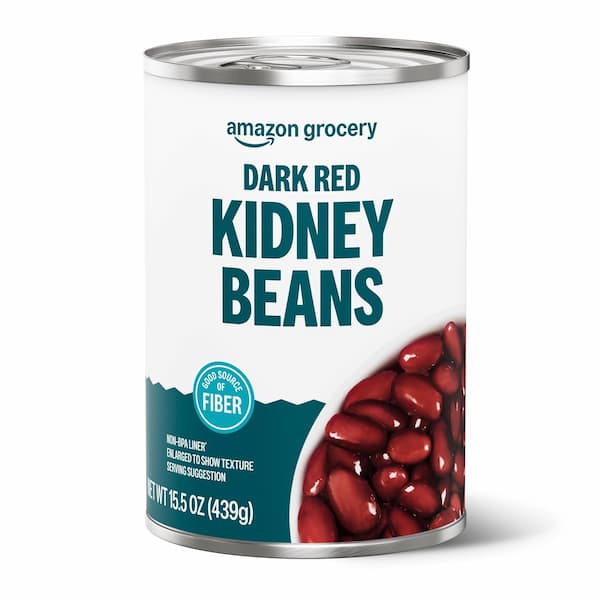
*HOT* Amazon Grocery Canned Beans as low as alt=

*HOT* Amazon Grocery Canned Beans as low as $0.75 each, shipped, plus more!

0
6 RMD Mistakes That Could Cost Retirees Money Before Year-End

6 RMD Mistakes That Could Cost Retirees Money Before Year-End

0
Xetra Gold (4GLD): Bodenbildung oder Falle?

Xetra Gold (4GLD): Bodenbildung oder Falle?

0
El-Sayed Wins Dem Nomination in Michigan

El-Sayed Wins Dem Nomination in Michigan

0
Private companies added just 44,000 workers in July, below expectations, ADP reports

Private companies added just 44,000 workers in July, below expectations, ADP reports

0
Germany delivers Israel’s biggest-ever submarine

Germany delivers Israel’s biggest-ever submarine

0
6 RMD Mistakes That Could Cost Retirees Money Before Year-End

6 RMD Mistakes That Could Cost Retirees Money Before Year-End

August 5, 2026
*HOT* Amazon Grocery Canned Beans as low as alt=

*HOT* Amazon Grocery Canned Beans as low as $0.75 each, shipped, plus more!

August 5, 2026
Xetra Gold (4GLD): Bodenbildung oder Falle?

Xetra Gold (4GLD): Bodenbildung oder Falle?

August 5, 2026
Private companies added just 44,000 workers in July, below expectations, ADP reports

Private companies added just 44,000 workers in July, below expectations, ADP reports

August 5, 2026
B2B Marketing Is Moving Faster Than Its Foundations Can Handle

B2B Marketing Is Moving Faster Than Its Foundations Can Handle

August 5, 2026
ORLEN acquires 216MW hybrid energy project in Greater Poland

ORLEN acquires 216MW hybrid energy project in Greater Poland

August 5, 2026
theadvisertimes.com

Get the latest news and follow the coverage of Business & Financial News, Stock Market Updates, Analysis, and more from the trusted sources.

CATEGORIES

  • Business
  • Cryptocurrency
  • Economy
  • Financial Planning
  • Investing
  • Market Analysis
  • Markets
  • Money
  • Personal Finance
  • Startups
  • Stock Market
  • Trading

LATEST UPDATES

  • 6 RMD Mistakes That Could Cost Retirees Money Before Year-End
  • *HOT* Amazon Grocery Canned Beans as low as $0.75 each, shipped, plus more!
  • Xetra Gold (4GLD): Bodenbildung oder Falle?
  • Our Great Privacy Policy
  • Terms of Use, Legal Notices & Disclosures
  • About Us
  • Contact Us

© Copyright 2024 All Rights Reserved
See articles for original source and related links to external sites.

Welcome Back!

Login to your account below

Forgotten Password?

Retrieve your password

Please enter your username or email address to reset your password.

Log In
No Result
View All Result
  • Home
  • Business
  • Financial Planning
  • Personal Finance
  • Investing
  • Money
  • Economy
  • Markets
  • Stocks
  • Trading

© Copyright 2024 All Rights Reserved
See articles for original source and related links to external sites.