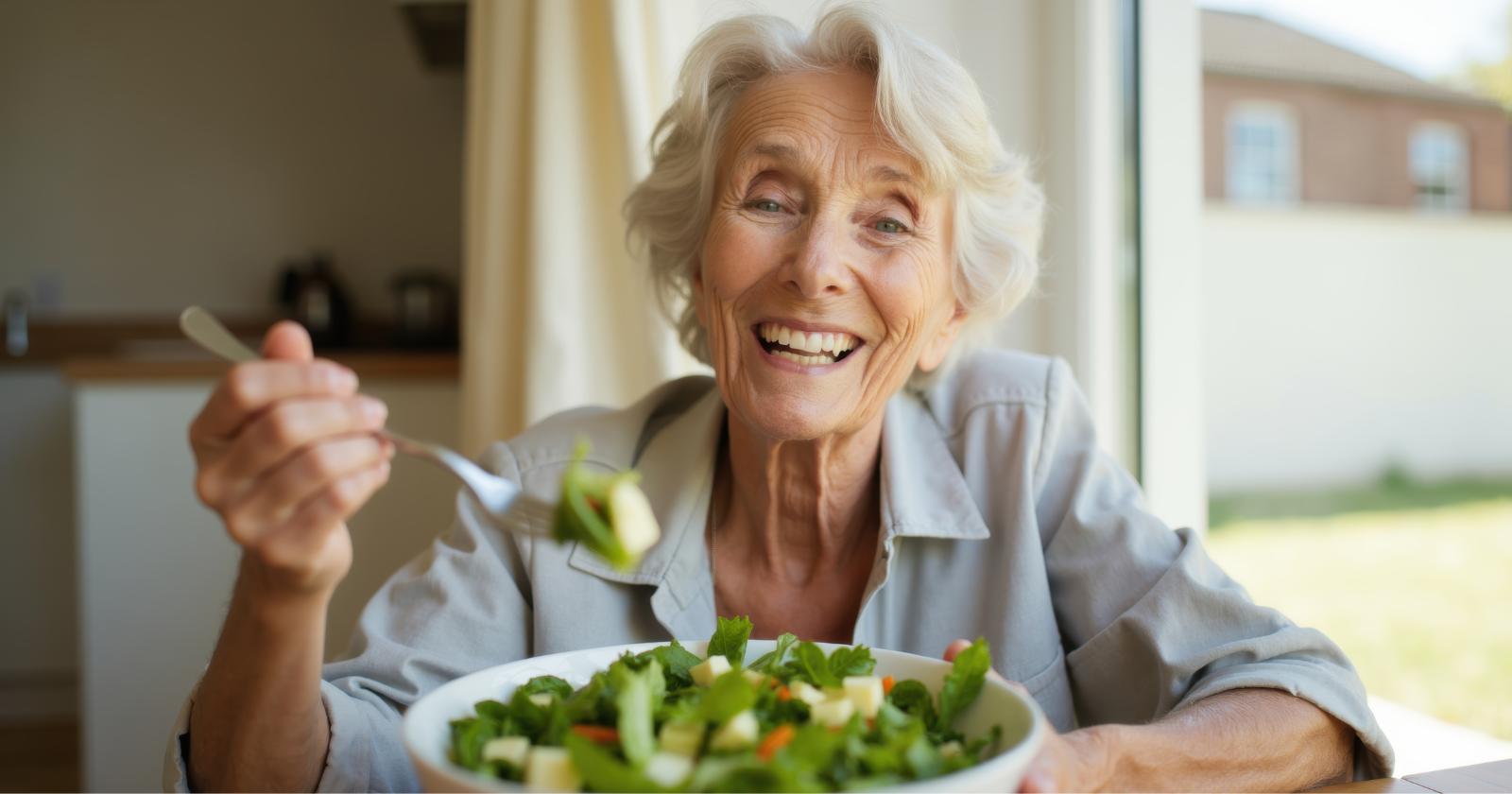
Ever notice how some 80-year-olds are still hiking mountains while others struggle to get out of a chair?
`rch from the National Institute on Aging shows that only about 30% of aging is determined by genetics. The other 70%? That’s all about the daily choices we make, especially after hitting 60.
I’ve spent years studying what separates those who thrive in their later years from those who don’t. And here’s what I’ve learned: independence isn’t something you suddenly lose one day. It’s something that slowly slips away when we stop paying attention to the habits that matter most.
The good news? You can stack the odds heavily in your favor by maintaining certain daily practices. These aren’t complicated or expensive interventions. They’re simple habits that, when done consistently, create a compound effect that keeps you strong, sharp, and self-sufficient well into your 80s and beyond.
1) Move your body every single day
You don’t need to run marathons or lift heavy weights. But you do need to move daily.
I learned this lesson early when I started running regularly in the tropical heat of Saigon and Singapore. What struck me wasn’t the intensity that mattered, but the consistency. Some days I run fast, some days I barely jog, but I always move.
Studies show that just 30 minutes of moderate activity daily can reduce the risk of mobility disability by 18%. That’s huge. We’re talking about the difference between walking your grandkids to the park versus watching from a window.
Start where you are. Walk to get your mail. Take the stairs. Do some gentle stretches while watching TV. The key is making movement non-negotiable, like brushing your teeth.
2) Practice balance exercises
Here’s something that might surprise you: falls are the leading cause of injury-related deaths among adults 65 and older.
But balance isn’t just about preventing falls. It’s about maintaining the confidence to live independently. When you’re afraid of falling, you stop doing things. You stop going out. You stop living fully.
Simple exercises like standing on one foot while brushing your teeth or walking heel-to-toe can make a massive difference. Tai chi is particularly powerful, with studies showing it can reduce fall risk by up to 45%.
In my book “Hidden Secrets of Buddhism: How To Live With Maximum Impact and Minimum Ego”, I discuss how Eastern practices like tai chi combine physical balance with mental equilibrium. Both are essential for aging well.
3) Keep challenging your brain
Your brain is like a muscle. Stop using it, and it atrophies.
The good news? Neuroplasticity continues throughout life. Your brain can form new connections and pathways well into your 80s and 90s, but only if you keep challenging it.
Learn a new language. Take up a musical instrument. Do crossword puzzles. Read books that make you think. The activity matters less than the challenge itself.
I’ve noticed that the sharpest older adults I know all have one thing in common: they’re perpetual students. They stay curious. They ask questions. They never assume they know everything.
4) Maintain strong social connections
Loneliness kills. That’s not hyperbole.
Research shows that social isolation increases premature death risk by 50%. That’s comparable to smoking 15 cigarettes a day.
But here’s what many people miss: maintaining social connections takes intentional effort as we age. Friends move away. Family gets busy. It becomes easier to isolate.
Fight this tendency. Join clubs. Volunteer. Take classes. Make weekly phone calls to old friends. The format doesn’t matter as much as the consistency.
5) Prioritize quality sleep
I’ve always valued sleep as non-negotiable for mental clarity and emotional regulation. But it becomes even more critical as we age.
Poor sleep is linked to cognitive decline, increased fall risk, and reduced immune function. Yet many older adults accept poor sleep as inevitable.
It’s not. Create a consistent sleep schedule. Keep your bedroom cool and dark. Limit screen time before bed. If you’re having persistent sleep issues, talk to your doctor. This isn’t something to just accept.
6) Stay hydrated
This sounds almost too simple, right? But dehydration is a major cause of hospitalization among older adults.
As we age, our sense of thirst diminishes. By the time you feel thirsty, you’re already dehydrated. This affects everything from cognitive function to balance to kidney health.
Keep water bottles in multiple rooms. Set reminders if needed. Eat water-rich foods like cucumbers and watermelon. Make hydration a conscious practice, not an afterthought.
The Buddhist concept of mindfulness that I explore in “Hidden Secrets of Buddhism” applies here too. Being mindful of our body’s needs, including hydration, is a form of self-respect and self-care.
7) Keep your core strong
Your core isn’t just your abs. It’s the entire trunk of your body that keeps you upright and stable.
A weak core leads to poor posture, back pain, and increased fall risk. It makes every daily activity harder, from getting out of bed to carrying groceries.
Simple exercises like planks, bird dogs, or even conscious breathing exercises that engage your core can maintain this crucial strength. You don’t need a gym membership. You just need consistency.
8) Practice flexibility and stretching
Can you still tie your shoes easily? Reach that top shelf? Look over your shoulder when driving?
Flexibility determines so much of our daily independence. Yet most people ignore it until it’s gone.
I’ve learned that consistency matters more than duration. Better to stretch for five minutes every day than for an hour once a week. Morning stretches, yoga, or simple range-of-motion exercises keep your body functional.
9) Eat protein with every meal
Muscle mass naturally decreases with age, a process called sarcopenia. By 80, you can lose up to 50% of your muscle mass if you’re not careful.
Protein is your defense against this. Yet many older adults don’t get enough. Aim for about 25-30 grams of protein per meal. That’s a palm-sized portion of meat, fish, or equivalent plant-based options.
This isn’t about building beach muscles. It’s about maintaining the strength to carry your groceries, get up from a chair, and live independently.
10) Keep a sense of purpose
This might be the most important habit of all.
Studies of Blue Zones, areas where people regularly live to 100, consistently show that having a sense of purpose adds years to life. In Okinawa, they call it “ikigai” – your reason for being.
Purpose doesn’t retire when you do. Maybe it shifts from career to grandchildren, from building a business to building a garden. The specifics don’t matter. What matters is waking up with a reason to engage with the day.
Final words
Here’s what I want you to remember: aging is inevitable, but how we age is largely up to us.
These ten habits aren’t revolutionary. They’re simple, daily practices that compound over time. The 80-year-old who’s still traveling, gardening, and playing with grandkids didn’t get lucky. They made choices, day after day, year after year.
Start where you are. Pick one or two habits to focus on first. Build them into your routine until they become automatic, then add more.
Your future self will thank you. Because independence isn’t just about being able to live alone. It’s about having the freedom to live life on your terms, to continue growing and experiencing joy, regardless of your age.
The best time to start was yesterday. The second best time is today.