Add Silicon Canals to your Google News feed. 
Remember when weekends actually felt different from weekdays? Not just because of sleeping in or cartoons, but because there was this whole different energy in the house?
I was thinking about this the other day while scrolling through my phone on a Saturday morning, realizing I’d been working for two hours without even noticing. Growing up, my weekends looked nothing like this. There were unspoken rules, traditions that just happened without anyone scheduling them into a calendar app.
These weren’t grand gestures or expensive activities. They were simple rituals that, looking back now, built something most of us are desperately trying to recreate through therapy apps and self-help books: genuine connection.
The thing is, many of us who experienced these rituals don’t even realize how lucky we were. We thought every family did these things. Turns out, if you remember most of these eight weekend rituals from childhood, you probably grew up with stronger family bonds than most people have today.
1) Saturday morning breakfast that nobody rushed through
Was there a designated “weekend breakfast” in your house? Not the grab-a-granola-bar-and-run weekday version, but the real deal?
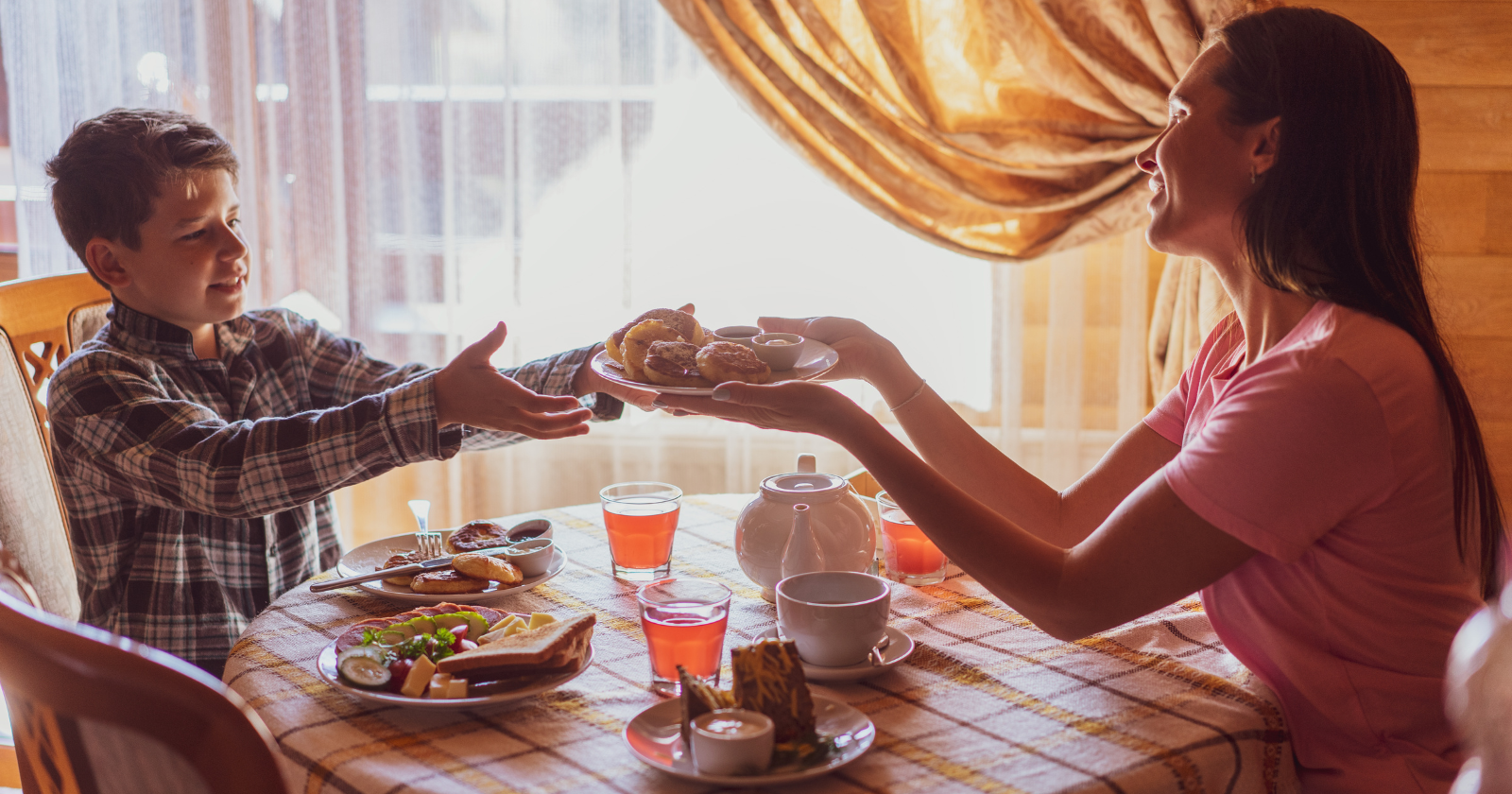
In my family, Saturday mornings meant pancakes or eggs, and more importantly, everyone actually sat down together. No checking the clock every five minutes. No wolfing down food while standing at the counter. Just conversation that meandered from school gossip to what we’d do that afternoon.
Research shows that families who eat together regularly have stronger emotional bonds and better communication. But here’s what the studies don’t capture: it wasn’t about the food. It was about the permission to just be present without an agenda.
These breakfasts taught us that some moments deserve our full attention. That rushing through life isn’t always necessary. That sometimes the most important thing you can do is pass the syrup and listen to your brother’s terrible joke for the hundredth time.
2) The sacred TV schedule everyone respected
Before streaming, before “I’ll watch it later,” there was appointment television. And in many households, certain shows belonged to certain family members at certain times.
Maybe your dad had his sports on Saturday afternoon. Your mom claimed her spot for cooking shows on Sunday morning. You and your siblings negotiated cartoon time like international peace treaties.
What seems restrictive now actually created something beautiful: shared experiences. When everyone watched together because there was only one TV, you learned compromise. You discovered shows you’d never choose yourself. You heard your parents laugh at things you didn’t understand yet but would remember years later.
This ritual taught patience, negotiation, and the radical idea that not everything needs to be customized to your exact preferences. Sometimes the best memories come from experiencing something you didn’t choose, surrounded by people you didn’t pick but learned to love anyway.
3) Chores that somehow became group activities
Weird thing about weekend chores when you were a kid: they often turned into impromptu family projects. What started as “clean your room” evolved into mom helping you reorganize everything, dad fixing that wobbly shelf, and somehow the whole family ending up in one room, music playing, everyone contributing.
These weren’t punishment. They were lessons in collaboration disguised as housework. You learned that maintaining a shared space was everyone’s responsibility. That many hands really do make light work. That even tedious tasks become bearable, sometimes even fun, when you’re not doing them alone.
I’ve mentioned this before, but the most successful teams I’ve worked with operate like those Saturday cleaning sessions: everyone has their role, but they’re flexible enough to help where needed, and they find ways to make the mundane meaningful.
4) Sunday dinners that started in the afternoon
If your family had Sunday dinners that required actual preparation time, you know what I’m talking about. Not the dinner itself, but the whole production that started hours before anyone ate.
The kitchen became command central. Someone was chopping vegetables while someone else set the table with the “good” dishes. Stories were shared over prep work. Family gossip was exchanged while stirring pots.
These extended cooking sessions taught us that good things take time. That the process matters as much as the outcome. That there’s value in doing something the slow way when you could probably get the same result faster.
My grandmother ran her bakery for forty years with this same philosophy. She could have cut corners, used cheaper ingredients, rushed the proving process. But she knew that some things can’t be hurried without losing what makes them special.
5) The “no plans” Saturday afternoon
Remember when boredom was allowed? When Saturday afternoon stretched out with no scheduled activities, no structured entertainment, just time?
These empty spaces forced creativity. Board games appeared. Improvised competitions happened. Someone would suggest walking to the park or building something in the garage. Without the pressure of planned activities, natural interests emerged.
Psychologists now talk about the importance of unstructured play for development. But what they’re really describing is what many of us had naturally: time to be bored, which led to time to be creative, which led to time to connect without forcing it.
6) Bedtime that bent on weekends
Staying up “late” on Friday or Saturday night wasn’t just about the extra hour or two. It was about entering a different version of your family’s rhythm. The house felt different at 10 PM on a Saturday than on a Tuesday.
Maybe you watched a movie together that was slightly past your usual bedtime. Maybe you played cards at the kitchen table. Maybe you just talked in the living room with the TV on low.
These bent rules taught us that structure serves a purpose, but so does occasionally breaking it. That weekends were different, special, worth marking with small rebellions against the weekday routine.
7) The Sunday night preparation ritual
Sunday evenings had their own energy, didn’t they? The weekend winding down, Monday looming, but first: the ritual of getting ready.
Clothes were laid out. Backpacks were checked. Lunches were discussed if not prepared. But it wasn’t frantic. It was methodical, almost meditative. Everyone preparing for reentry into the week’s rhythm.
This ritual taught us about transitions. About the importance of closing one chapter before starting another. About how preparation can ease anxiety. Skills that, honestly, most adults are still trying to master.
8) The car rides to nowhere in particular
Finally, if your family took random drives on weekends, just to “get out of the house,” you experienced something that’s almost extinct now: unproductive time together.
No destination. No GPS. Just driving around, maybe getting ice cream, maybe checking out that new development being built, maybe just talking or listening to the radio.
These purposeless journeys taught us that not everything needs an outcome. That sometimes the best conversations happen when you’re side by side, looking ahead, not directly at each other. That being together doesn’t always require an activity.
The bottom line
Looking at this list, you might notice something: none of these rituals cost much money. None required special equipment or memberships or reservations. They just required time and presence.
If you remember most of these, you were given something that’s increasingly rare: consistent, predictable moments of connection. Not quality time penciled into a busy schedule, but quantity time that occasionally became quality without anyone forcing it.
The irony is that many of us who had these rituals now struggle to recreate them in our own adult lives. We schedule “family time” like business meetings. We optimize our weekends for productivity. We’ve forgotten that sometimes the most valuable thing you can do is nothing in particular, together.
But here’s the thing: these rituals aren’t extinct. They’re just waiting to be revived, adapted to our current reality. They remind us that the strongest bonds aren’t built in grand gestures but in small, repeated actions that say, “This time is ours, and that matters.”
Maybe that’s the real gift of remembering these rituals. Not nostalgia, but a blueprint for what actually works in building connections that last.