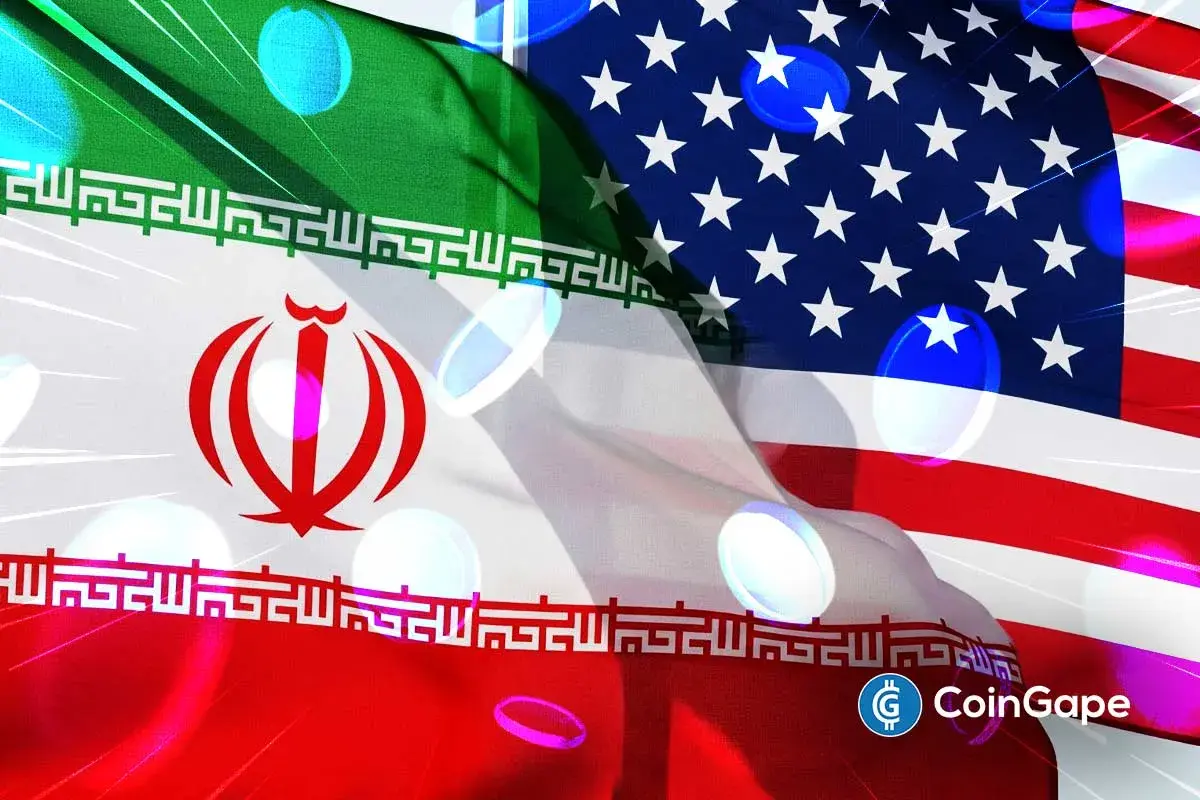
The geopolitical tensions stepped up on Saturday with the US forces again launching fresh military strikes against Iran. The retaliation came despite Tehran’s threat to orchastrate a “full-scale war” in the Middle East. As a result, oil and energy prices soared as Strait of Hormuz traffic remained blocked.
US Continues Strikes Against Iran Despite Warning
The U.S. Central Command (CENTCOM) has confirmed that the U.S. military attacked several military sites in Iran. The strike targeted surveillance installations, logistics infrastructure, underground weapons storage areas and marine assets related to Iran’s military activities.
These latest attacks were the culmination of a week of rising military violence. U.S. planes have been bombing for seven consecutive nights. It included bridges in the vicinity of Bandar Abbas, where the Iranian Navy operates its main bases on the Persian Gulf.
However, two Americans were killed in the fighting on Friday and one is still missing, CENTCOM also said.
Meanwhile, Iran retaliated with attacks against its U.S. allies in the area. Kuwaiti authorities reported that a power station and two water distillation stations were hit by the Iranian attacks, along with an oil facility. Officials also said that they had injuries.
Jordan has intercepted 10 Iranian missiles overnight before they hit their targets, according to the military. Bahrain also announced that its air defenses successfully stopped incoming Iranian attacks. Iranian leaders continued to raise their rhetoric.
Supreme Leader’s aide Major-General Mohsen Rezaei threatened Iran would expand its military assault in response to U.S. strikes. “Iran will no longer limit itself to retaliatory, like-for-like responses… and no political border will be safe,” Rezaei said, according to Iranian media.
Iran’s Supreme Leader Ayatollah Ali Khamenei on Saturday night called Washington’s actions a breach of the previous ceasefire agreement. In a written statement, he said America’s “repeated breaches” had exposed “a fundamental truth: the signature of the US president is utterly worthless and devoid of credibility.” He also described the recent developments as a “dark episode of criminality and broken promises.”
The new round of the unprovoked escalation comes after an earlier truce agreement broke down in mid-June. The pact would have left room for peace talks to lead to a calmed, non-permanent resolution. But negotiations stalled and US President Donald Trump announced July 8 that the deal was over. Later the United States reimposed a blockade of Iranian ports and Tehran declared the Strait of Hormuz closed.
How Did Financial Markets React?
The escalating tensions in the energy markets had a strong response. Crude oil rose 4.48% to $82.49 a barrel on Saturday. This was coming on the heels of the closure of the Strait of Hormuz, which is a vital shipping route. This led to fear of global supplies of oil and increased fuel prices.
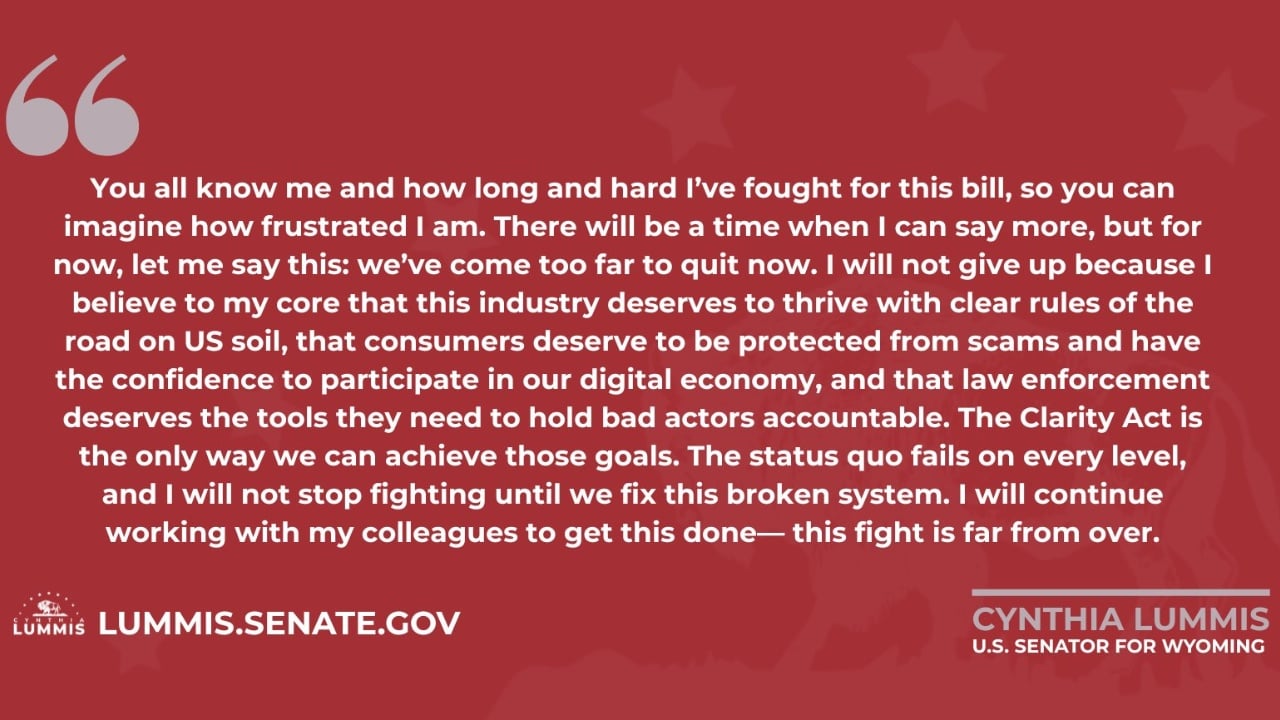
On the other hand, the crypto market remained relatively stable. Bitcoin price stood at $64,443.88, up by 1.2% at press time on Saturday. The recovery in BTC’s value came as the GENIUS Act, the US stablecoin bill, completed one year. Now, the crypto market is awaiting the CLARITY Act to enter a Senate floor vote soon.
For those looking for crypto trading, check out our page on Best Crypto Exchange & Apps.