Today, fandom functions as a co-creative, identity-shaping system where fans play a meaningful role in the evolution of both the IP they love and the brands who seek to join in on the action. These fan communities, from StationeryTok to K-pop Discords and fan-fiction servers in AO3, now fulfill needs that institutions once did—a sense of belonging, a place to make meaning, and increasingly, opportunities to build skills and income.
The irony is that fandom is joyful for young people precisely because it is free from the constraints, gatekeepers, and disappointments of the real world. It’s a space for Gen Z and Gen Alpha to play, create, express, and connect on their own terms. Yet that joy, that collective creativity, has become a form of cultural power—a currency more valuable than the money they often lack. What starts as escape ends up shaping the very systems they feel powerless against.
A generation no longer molded by one monoculture now moves fluidly through dozens of micro-worlds, elevating what resonates from each. A fan edit can break a song. A theory can reframe an entire franchise. A creator backed by a loyal community can outpace traditional media in reach and momentum. And while fandoms have always been creative hubs, with 74% of young people now describing themselves as video creators, the speed and scale of this influence is unprecedented. What once took years to build now catches fire in weeks. Young people aren’t waiting for studios, networks, or brands to declare what matters; they’re signaling it and sustaining it long before institutions notice.
And this cultural momentum now shapes the real economy.
How Gen Z and Gen Alpha fans are reshaping economic behavior
Fandoms sit at the intersection of identity, influence, and spending. Three dynamics explain their accelerating economic power.
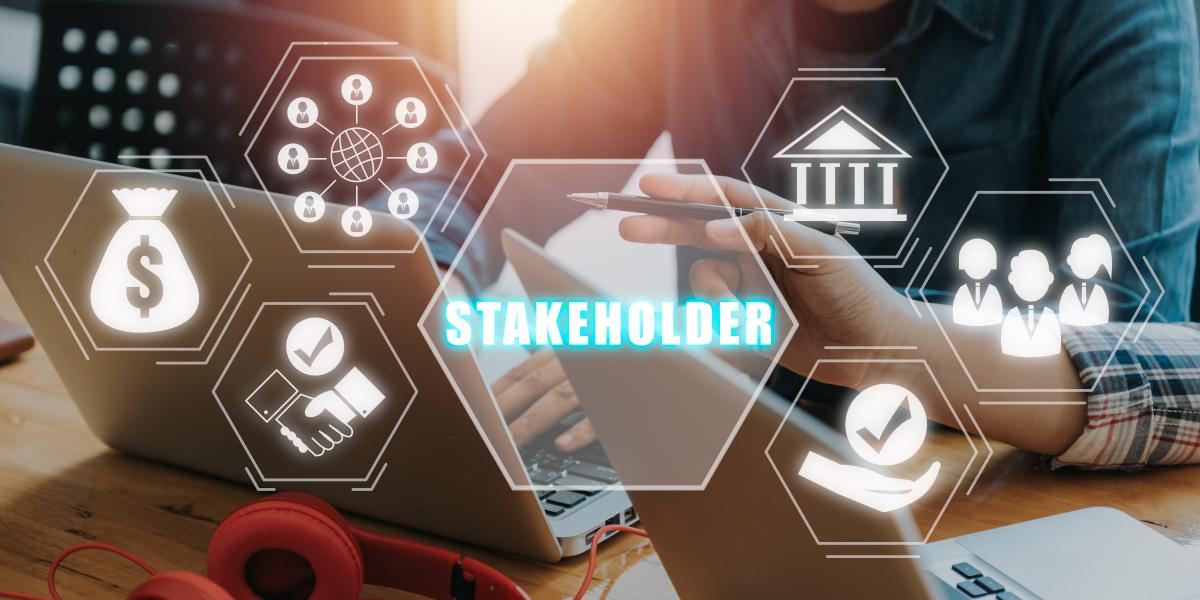
First, fans behave like stakeholders. Their participation shapes canon, sentiment, and demand. They revive dormant IP, elevate emerging artists, and influence what gets made. Their investment is emotional, creative, and financial. And companies are responding: Disney, famously protective of its IP, is reportedly developing generative tools with OpenAI that will let Disney+ subscribers create and share short-form content using iconic characters. This is a signal for every company that fandoms are changing entire business models.
Brands beware: Today’s fans know their value. They understand that their engagement — views, clicks, posts, word of mouth – translates into real revenue. They don’t see themselves as an anonymous audience segment, but as stakeholders. Brands that enter these spaces incorrectly risk venomous backlash from a highly protective cohort.
Second, creation now rivals consumption. Fans stitch, annotate, reinterpret, and expand the worlds they care about. Cultural belonging comes through contribution, and brands are adapting. Nestlé didn’t just hire podcaster Alex Cooper to market a drink; they co-created Unwell Hydration with her, seeing creator fandom as a business asset instead of a rentable audience.
Third, fandom is a catalyst for IRL experiences. In a fragmented environment, fandom increasingly provides grounding, identity, and connection. Trust flows horizontally, between fans, not from the top down. And this trust translates directly into behavior. In a move that would’ve been hard to believe a decade ago, movie theaters are now premiering Netflix originals, like Stranger Things Season 5, because fans are demanding shared, communal experiences around their favorite universes.
This explains why fandom is one of the few areas where youth spending remains resilient. A concert becomes a gathering point, not a luxury. Merch becomes a marker of identity, not an impulse buy. Supporting a creator becomes participation in a community that reflects their values. And Gen Z travel patterns increasingly center around viral restaurants, micro-events, and fandom-driven destinations, not geography.
Fandom is where young people invest emotion, so it becomes where they invest money.
How brands should move forward
We first must accept that fans now play roles that once belonged to companies.
The distance between audience and industry has collapsed. Fans surface new songs and shows before official channels. They create demand for products before they exist. They sustain creators through direct financial support. They distribute culture across networks that outperform institutional pipelines.
Today, 66% of Gen Z and Gen Alpha say they spend more time with fan-created content than official content. As just one example, while Vogue’s Met Gala livestream generated 14 million views, creator-posted videos from that same night surpassed 550 million.
This isn’t a challenge to brands; it’s a roadmap for how influence now moves.
Brands can manufacture their own fandom, but most often seek to participate in the worlds young people care about – provided they understand the underlying emotional and cultural logic.
Here’s how brands can translate this understanding into action:
Design for experiences, not exposure – Fandoms run on emotion, not impressions. Brands win when they elevate the moments fans already care about–reducing friction, strengthening rituals, and supporting the joy and anticipation that define these communities. The goal is to become part of the fan experience, not a disruption to it.
Provide access that feels like partnership –Fans expect proximity and participation. They want a role in shaping outcomes. Early access, co-creation pathways, transparent storytelling, and flexible licensing signal respect for fan expertise. When fans are invited inside the process, their creativity strengthens the world a brand is building.
Build belonging across platforms and places –Belonging is the true currency of fandom. Brands can nurture it by supporting the digital and physical spaces where fans gather–from micro-communities to pop-ups to IRL meetups. These spaces become extensions of the fandom: environments where identity and shared obsession live.
The broader cultural imperative
Fandom has become the structure that fills the gaps left by collapsing institutions, offering belonging, meaning, and momentum previous generations found in schools, workplaces, or traditional media. But the scale is entirely new. No generation of young people has ever held this level of collective influence, or the tools to mobilize it so quickly.
This isn’t accidental. When established systems, from career pathways to cultural gatekeeping, failed to adapt, young people built spaces where their creativity, identities, and communities could thrive.
The implications extend far beyond business. Fandom reveals a generation learning to organize around passion instead of hierarchy, contribution instead of credential, and community instead of institution. It shows how culture now forms: collectively, iteratively, and from internet hubs, not geographical ones.
Fandom isn’t new, but the circumstances Gen Z and Gen Alpha are growing up in are—and accelerated technology, weakened institutions, and unprecedented creative tools are transforming what it does and how it operates.
For leaders across industries, the lesson mirrors the one reshaping the future of work: when the inherited systems no longer serve people, people build new ones. Gen Z and Gen Alpha already have. And the institutions that learn from how these fandoms move will be better positioned for a world no longer defined by a single mainstream, but by millions of communities creating their own.
The opinions expressed in Fortune.com commentary pieces are solely the views of their authors and do not necessarily reflect the opinions and beliefs of Fortune.



-1024x683.jpg "The Key Battles for Senate Control Are Set")