
-1024x683.jpg "UK’s PM Keir Starmer Out")
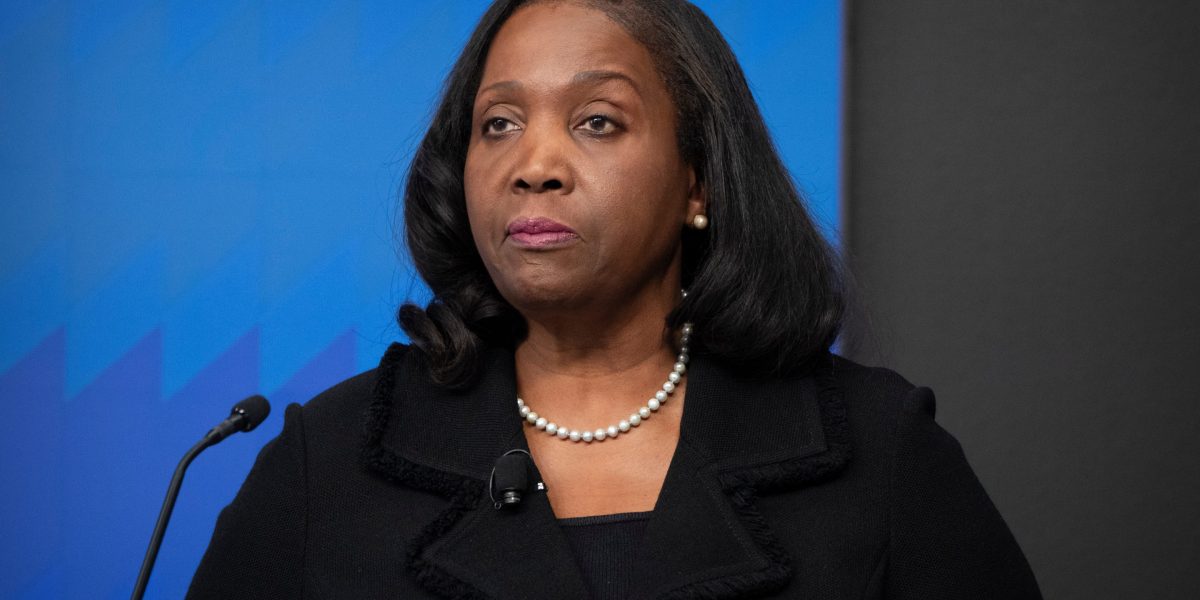
British Prime Minister Sir Keir Starmer announced this morning, June 22, that he is stepping down from the role and will oversee a transition to a new party leader, and thus, a new PM. This resignation comes on the heels of last week’s by-election, which Greater Manchester Mayor Andy Burnham won handily.
But by what mechanism can a prime minister just hand over the keys to Number 10 Downing Street? And what does it imply about the state of UK politics that a freshly minted member of parliament can just assume the top job without a general election?
The Background
Prime Minister Starmer was elected along with his Labour Party in a landslide victory in 2024 – with a mandate to serve for up to five years. Just two years in, his popularity among the public and his own party has dipped to never-before-seen levels. In May this year, he oversaw the loss of some 1,500 local council seats – mostly to the insurgent Reform UK Party headed by Nigel Farage.
Yet the chorus of voices that began calling for his resignation immediately after the by-election was eerily silent. Why? Because the Parliamentary Labour Party didn’t believe it had anyone on the front benches of Westminster who could reverse its failing fortunes.
Then came a resignation in Makerfield, a northern constituency, (just one of 650 that make up Parliament) by Labour MP Josh Simons. Simons announced he was stepping down to allow the mayor of Greater Manchester, Andy Burnham, a shot at getting back into Westminster. This began a campaign in what is widely considered one of the most important by-elections of the last 100 years – not because it would impact the actual balance of power, but rather because the voters went to the ballot box knowing full well that they alone would be responsible for electing the next prime minister of the United Kingdom.
Burnham won a staggering 55% of the vote in a multi-party election on June 18, securing his return to parliament and setting the stage for Keir Starmer’s resignation this morning.
The British System
Being the mayor of one of Britain’s most important cities has its benefits. It allows the lucky figurehead to engage in all the fun side of politics without being tarred by the same brush as his political party. Burnham is a popular figure in the north of England and is considered a safe pair of hands in the south, largely due to the 16 years he spent in Parliament before resigning to chase the mayorship.
But how did winning a simple by-election virtually guarantee Burnham the top job in the country?
The British electoral system works by electing a party instead of a leader. The leader of the party becomes the PM. That winning party then has a five-year mandate to serve, but can call a general election at any time up to that point – and often does so when the political winds are in its favor. That decision ultimately comes from the PM.
However, if the PM loses the confidence of his or her own party, a leadership contest can be triggered. Rules vary by party, but in the case of the Labour Party, it is one-fifth of its MPs (currently 81) signing on to the action. As of this morning, over 100 MPs had asked Starmer to go.
Adding another twist to the tale, Sir Keir set out a timetable for his departure. If Mr. Burnham runs unopposed for the leadership, he will assume office in mid-July. If he faces challengers, the handover will occur in August. Currently, it seems highly unlikely that anyone will challenge him for the role. Where does this leave the population of Britain?
A Starmer Mandate?
Labour won in 2024 based largely on the unpopularity of the Conservative Party. It was what is commonly termed in Brit politics a “loveless landslide.” After all, Labour won half a million fewer actual votes in the 2024 election than it did in the 2019 election, which it lost.
Labour was elected on a specific manifesto that has seen its fortunes tumble upon implementation. For Burnham, he has a tightrope to walk regarding the policy platform he brings with him. If he veers significantly from the 2024 manifesto, he is obligated to call a general election, but if he, instead, works around the edges of the doomed document, he can argue that no new election is required, as it will be his method of implementation that is different, rather than core policy.
Mr. Burnham could choose to capitalize on his victory by rallying the troops and fighting for a fresh mandate – which would give him a full five years to implement his agenda. But the odds of him winning a nationwide ballot are mighty slim.
Reform UK has come first in the last 300 polls and, by all metrics, would form the largest party in government along with Nigel Farage at the helm (although a coalition with Conservatives as the minority party is also likely). Hundreds of Labour MPs would lose their seats and their jobs, and the party itself might never recover. It would be the shortest honeymoon period for a new PM in recent history.
It would take a leader of courage and confidence to embark on such a course. So for now, the smart money says: Meet the new boss, same as the old boss.




















-1024x683.jpg&description=UK%E2%80%99s%20PM%20Keir%20Starmer%20Out)