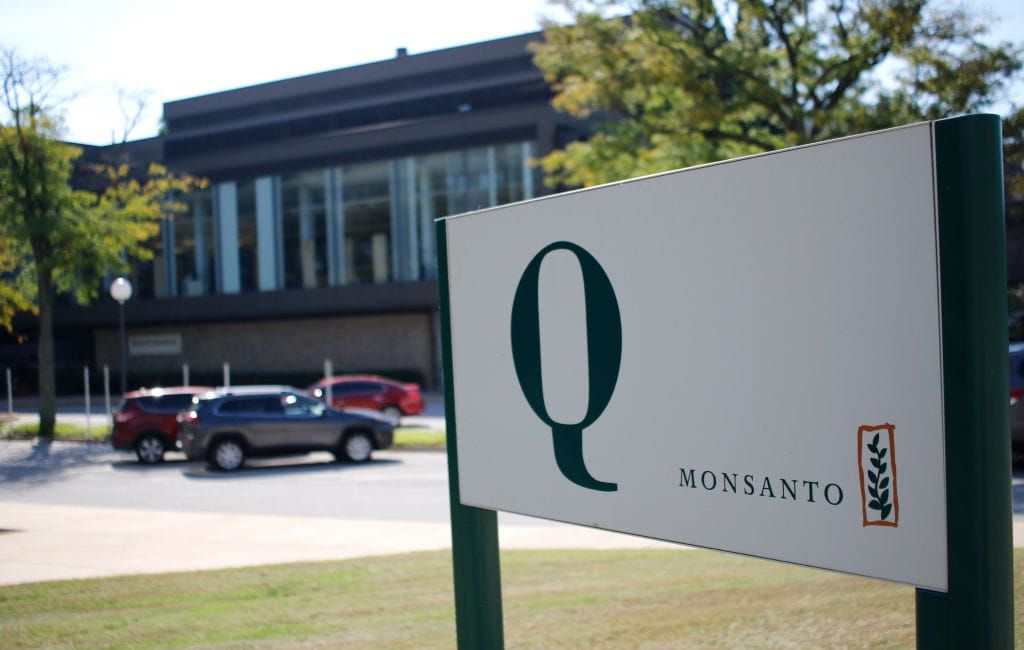
The 2026 midterms are in sharp focus as the Trump administration seeks to shore up voter support within the “Make America Healthy Again” (MAHA) camp that boosted Donald Trump into his 2024 election win. The recent US Supreme Court ruling in Monsanto v. Durnell applied federal law to block state tort suits for illness caused by glyphosate. This may have been a big legal win for the Commander in Chief (the Trump administration supported Monsanto in the case), but it has undermined MAHA confidence that President Trump is committed to the movement’s health goals.
A Political Dance on the Right
This friction is the latest jig in a long dancing courtship between MAHA and MAGA (“Make America Great Again”) since Robert F. Kennedy, Jr. clasped hands with Donald J. Trump on August 23, 2024, and coined the phrase that focused voter attention on chronic disease and the corporate capture of the regulatory agencies that oversee Americans’ food and health. The First MAHA Commission Report denounced glyphosate (the active ingredient in weedkiller Roundup) and alienated Trump’s MAGA core and the nation’s commercial crop farmers. The Second MAHA Commission Report swung in the opposite direction, not mentioning glyphosate negatively. This partially appeased the MAGA crowd but agitated the MAHA base.
The MAHA movement continued to grow after President Trump’s election, but it was quickly disappointed by a presidential executive order calling for the increased domestic production of glyphosate in the interest of national security. Then came an EPA roll-back of planned drinking water regulations governing PFAS. MAHA influencers were understandably flustered.
David Murphy, founder of United We Eat and a former finance director of Kennedy’s presidential campaign, warned: “A lot of MAHA voters are realizing they’ve been snookered, they’ve been had by Republicans that had no intention of protecting their health. It’s just a talking point that they added…. Certain MAHA supporters are not going to turn out, and others are going to actively be voting Democrat.”
What Makes MAHA Tick?
This may be partly accurate, as some voters will retaliate as punishment when they feel betrayed. However, “actively voting Democrat” does not further the MAHA agenda that Democrats have fought tooth and nail to sabotage and discredit. David Murphy’s resentment that the Trump administration supported Monsanto in the Durnell case may be justified, but there is a pattern here which is visibly bipartisan: the Obama administration filed a brief in support of Monsanto in the seminal US Supreme Court case of Monsanto v. Bowman. President Obama also installed Thomas Vilsack (aka “Mr. Monsanto”) as the US Secretary of Agriculture, who was later reinstalled by President Joe Biden.
It is true that President Trump is trying to please both sides in the glyphosate dispute, but finding that middle road is the necessary MAHA pathway to incentivize regenerative practices and reduce the use of chemicals in agriculture without alienating and vilifying the nation’s conventional farmers. The Goldilocks answer lies between the two extremes of the MAHA Commission Reports. It is also seen in the president’s important executive order concerning regenerative agriculture.
Executive Order 14414, “Advancing Regenerative Agriculture and Strengthening American Farm Resilience,” was issued on June 25, 2026, as part of the Make America Healthy Again (MAHA) initiative. This multi-agency initiative seeks to support regenerative agriculture, study the cumulative effects of chemical exposures, and support research for less toxic pesticide alternatives.
The Long and Middle Road
Though the Trump administration supported business interests and the nation’s economy by siding with Monsanto, this has been balanced by meaningful investments of money and policy toward support for regenerative farming practices. President Trump appointed Robert F. Kennedy, Jr. to be Health and Human Services Secretary, enabling a dramatic reshaping of the nation’s food pyramid toward healthier, more wholesome priorities. The administration also tried to reduce access to harmful junk foods and sugary drinks through the SNAP program.
Though the MAHA criticisms of President Trump are understandable, this short list of MAHA accomplishments by this president is unprecedented. These are remarkable steps forward in the MAHA mission to improve public demand for healthier foods coupled with industry need for support of regenerative methods.
This does not stop the endless retinue of Trump detractors from leveling their criticisms at the president while avoiding giving credit where credit is due. As The Hill reported, “Some longtime environmental advocates said they were not surprised by the ruling and haven’t seen any evidence the Trump administration has done anything to differentiate it from any other standard Republican-led government.”
No Republican-led government has tried to improve SNAP food quality, revolutionize nutrition guidelines, better study agricultural chemicals, and economically support rural farmers to employ regenerative farming practices, all in its first 18 months. Democrats have not only failed to push these MAHA initiatives, they’ve fought tooth-and-nail against them. That may not woo many MAHA voters come midterms.