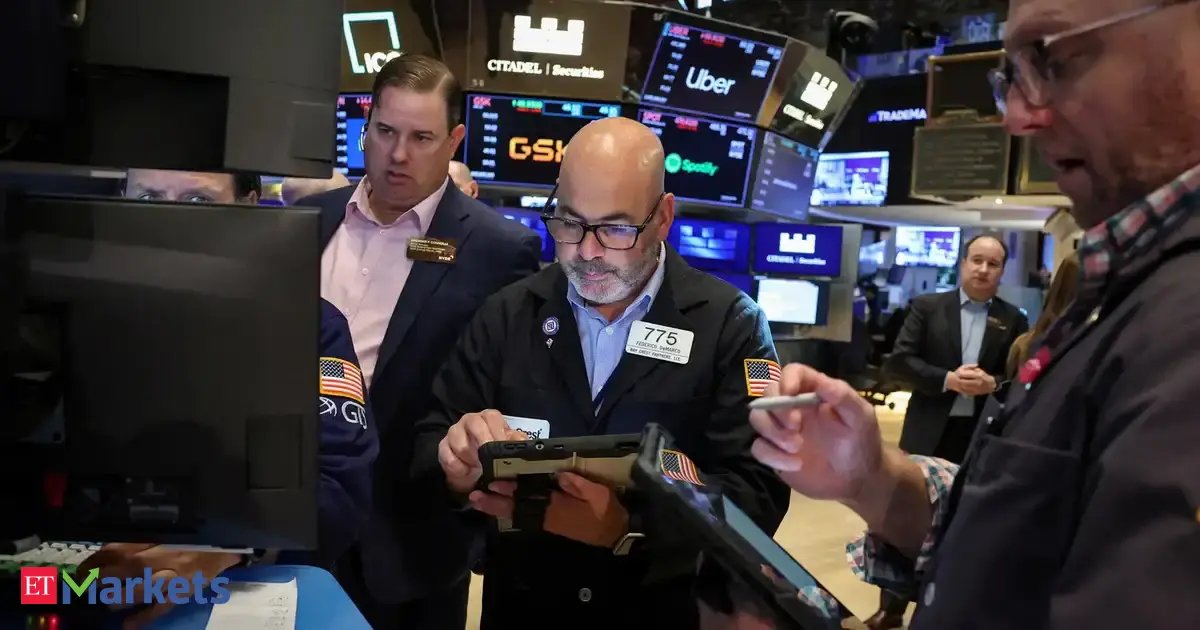
The S&P 500 ended close to flat but its biggest weight came from the S&P 500 technology index, which underperformed the broader market as chip stocks fell.
While investors wait for results from megacaps Microsoft , Amazon.com, Meta and Apple Inc , their enthusiasm was weakened by Alphabet’s announcement, late on Wednesday, of a plan to hike capital spending even as it burns cash.
After piling into technology stocks in recent years, on the promise of growth from AI, investors have become worried about the need for ever-increasing capital outlays for AI, according to Peter Andersen, CEO of Andersen Capital Management.
“People are thinking, how do we make sense of all this spending, and how much more patient do we have to be before we actually see it translate to actual profits?” Andersen said.
“The fear of missing out is becoming more like a fear of massive overbuilding.”Late on Thursday, Intel forecast quarterly profit and revenue above Wall Street estimates and outlined plans to increase spending over the next two years. Still, the chipmaker’s shares sank on Friday along with the Philadelphia SE Semiconductor index.According to preliminary data, the S&P 500 gained 3.74 points, or 0.07%, to end at 7,413.30 points, while the Nasdaq Composite lost 157.35 points, or 0.63%, to 24,980.34. The Dow Jones Industrial Average rose 235.87 points, or 0.46%, to 51,947.52.
Among the S&P 500’s 11 major industry indexes, real estate outperformed during the session. The sector’s leading gainer was Digital Realty Trust, which rallied after it raised its full-year forecast for funds from operations.
Also providing some relief, crude oil futures fell more than 3% while traders booked profits from a massive rally in the last five sessions and after sources said China was pushing to resume stalled U.S.-Iran peace talks. Still, U.S. missiles struck targets across Iran after President Donald Trump vowed “major military punishment” for Tehran and its Houthi allies in Yemen.
“Whatever the headlines are involving the conflict right now, that drives oil and then oil drives financial markets,” said Andersen, adding that swings in oil prices can impact consumer and corporate spending.
Also, the Trump administration imposed new tariffs of 10% and 12.5% on goods from 60 trading partners, citing lax enforcement of forced-labor bans. The move came as a temporary 10% global tariff expired.
Friday’s data showed that activity in the U.S. services sector accelerated in July, aided in part by spending around the FIFA World Cup and the Independence Day holiday, while the pace of growth in the manufacturing sector eased to the slowest since March.
Among other individual gainers, SLB shares climbed after the oilfield services firm beat expectations for second-quarter profit.