Financial advisors can look to centers of influence like estate attorneys to find new clients, but there are additional, practical reasons for advisors to develop relationships with other professionals that have benefits to their clients.
Processing Content
Those relationships can help clients find trusted lawyers and can potentially be done in a way that saves clients time and money spent with those attorneys.
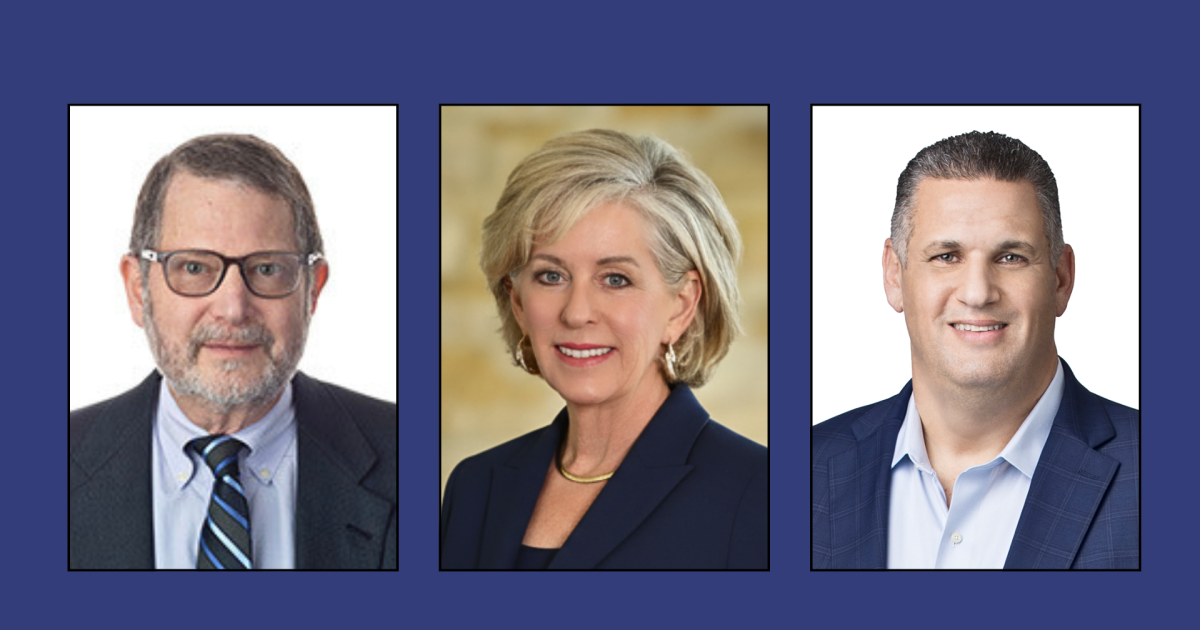
Courtesy: Erin Botsford
“I wanted to bring the attorney up to speed, so they don’t have to go through the litany. I knew everything about the client,” said Erin Botsford, who formerly worked as an advisor herself and now trains advisors as founder and CEO of The Advisor Authority. “I wanted to make the attorney’s job easier, and I wanted to make sure that if I did all this work up front … the attorney wouldn’t charge the clients as much.”
She suggested that advisors can act as the central point of contact for clients.
“I positioned myself as the client’s financial director,” Botsford said. “It’s kind of like a concierge service. I was the hub and spoke of their universe. … I wanted to control the entire relationship.”
Botsford said she hired an attorney to teach her every week for a year about estate planning, and while that helped in her advisory practice, clients still need to work with their own attorneys.
READ MORE: Starting estate planning conversations — even without tax expertise
Clients benefit when their advisors talk to each other
Although advisors often can bring to the table expertise on a range of financial planning topics, they aren’t all experts in related, specialized fields such as accounting or law.

Courtesy: Lee Korn
“If you’re not collaborating, you’re doing a disservice to the client,” said Lee Korn, financial advisor and principal at Jericho, New York-based wealth management firm Opal Wealth Advisors. “There’s so much interconnectivity. One, we’re not lawyers. We’re not accountants.”
Oftentimes, CPAs get information for tax filing in March, but there are planning strategies to consider throughout the year, such as tax-loss harvesting, he added.
“Most accountants are very receptive to it,” Korn said. “We just tell them, ‘We’re not replacing you. There’s no pride in authorship. The goal is for the client to win.'”
In addition to accounting and legal issues, Korn said advisors need to consider estate planning and property and casualty insurance. For example, clients might not have umbrella policies, or in their umbrella policies, their cars aren’t listed, so financial advisors might need to call property and casualty advisors.
Another way clients benefit if their advisors talk to each other is by getting checks and balances.
“If somebody turns out to be a bad actor or just incompetent, somebody else is going to pick it up and blow the whistle,” said Martin Shenkman, partner at the estate planning boutique law firm Shenkman Tietz. “So coordination is critical.”
READ MORE: Why table-stakes tax planning is still elusive at many firms
A lawyer’s perspective on working with financial advisors
From a lawyer’s perspective, Shenkman encouraged collaboration with financial advisors, and he said he isn’t the only one who values working together, saying that a Westlake, Ohio-based trade association called the National Association of Estate Planners and Councils facilitates collaboration between different types of professionals. Another group fostering this is Waltham, Massachusetts-based Integrated Partners, which offers the Integrated CPA Alliance for advisors and CPAs.

Courtesy: Martin Shenkman
“A perfect person, and I’m saying this as an estate planning attorney, is the financial advisor, because they have the ongoing contact” with the client, Shenkman said.
Financial advisors tend to meet with shared clients more often than the lawyers do
“The one thing all clients hate — hate with a passion — is when the lawyer says A, the financial advisor says B, and the accountant says C,” Shenkman said. Clients think, “‘Come on, guys. You know, you’re my advisors. Get on the same page.'”
After meetings, he sends a follow-up letter or memo to the accountant and the financial advisor before sending the summary to the client.
“That’s where a lot of the creative ideas come from because you get the cross pollination of all the different disciplines and different thoughts,” he added.