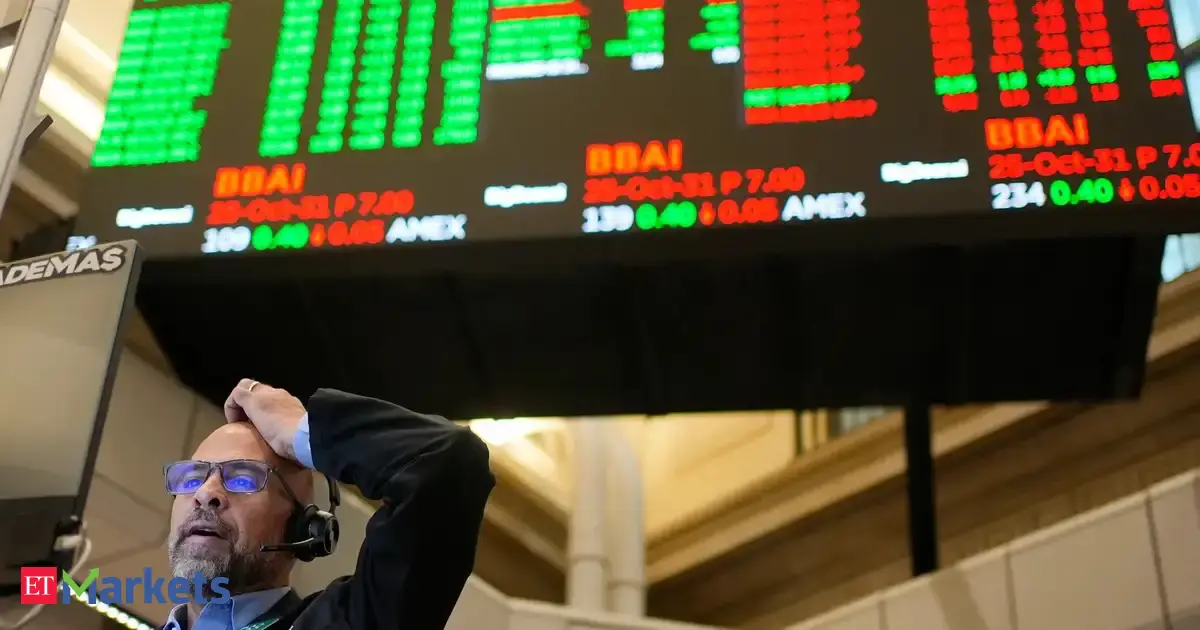
The closing bell after a volatile day — like the wiping out of trillions of dollars in value from the S&P 500 following last week’s jobs report — rings differently to retirees than to younger people.
Processing Content
Increased longevity and the rapid, constant investment information are fueling a “pretty common” fear among retirees who see steep losses in stock values as a signal that their lives will last longer than their assets, according to Melissa Caro, the founder of financial advisor coaching and training firm My Retirement Network. Where adults in the so-called accumulation phase may easily take those losses in long-term stride, retirees are more likely to view them as a harbinger of financial insecurity.
For example, Caro’s mother, a former music teacher who “couldn’t care less about money” and investment portfolios for most of her life, checked the daily indices and her accounts often in her retirement, she said.
“Later on in life, when she was widowed and worried about running out of money, all of a sudden she was signing into her Merrill Lynch app,” Caro said. “I was like, ‘Mom, who are you?'”
Even a drop like the $1.8 trillion lost by the S&P in one day last week looks like meaningless noise for an index that has gained 6% in value for the year to date, 21% over the past 12 months and 72% in the last five years. But Caro and other experts argue that financial advisors run a particular risk of alienating their retired clients or losing the opportunity of pointing out the value of their long-term plans and services if they respond to a common investor bias with some charts or, worse, a dismissive tone toward the older adults.
“When you’re just telling clients, ‘Don’t worry about it, stay the course,’ it might make logical sense, but it doesn’t really help to lessen their anxiety,” Caro said.
READ MORE: Download FP’s list of the 150 largest fee-only RIAs
Listening and learning
Clients display “an emotional and practical difference between experiencing loss in the accumulation phase versus the distribution phase,” said Jesse Wideman, a financial planner with Philadelphia-based registered investment advisory firm Zenith Wealth Partners. The short-term numbers and “social discourse” today on investing may lead to a fear among investors of any age, though, he said.
For any retirees whose fears could give way into panic and a hasty, damaging choice, Wideman aims to reinforce how fiduciary planning is still leading them toward their ultimate goals.
“Helping clients understand how different investments work together reminds them that one stock index doesn’t tell the whole story of their portfolio,” he said in an email. “One of the most important benefits of having a financial planner is helping to contextualize your investment allocation within your broader financial picture. Doing so consistently can support better decision-making, both in times of stress and in times of comfort.”
To financial behaviorist Jacquette Timmons, who coaches advisors, wealth management firms and investors on the emotional side of money, some “curiousity-based questions” such as asking a retiree what about this particular dip is causing their fear can provide some illuminating answers. After sussing out those concerns, advisors can point out that the retirees “don’t have a loss until you take action” in response to the daily tickers in their phones or on TV, she said.
“The fluctuations are natural. It’s going to go up and down,” Timmons said. “What is happening in the market day to day really should just be information. It shouldn’t be a trigger for you taking any particular action.”
READ MORE: How securing held-away assets helps firms — and clients
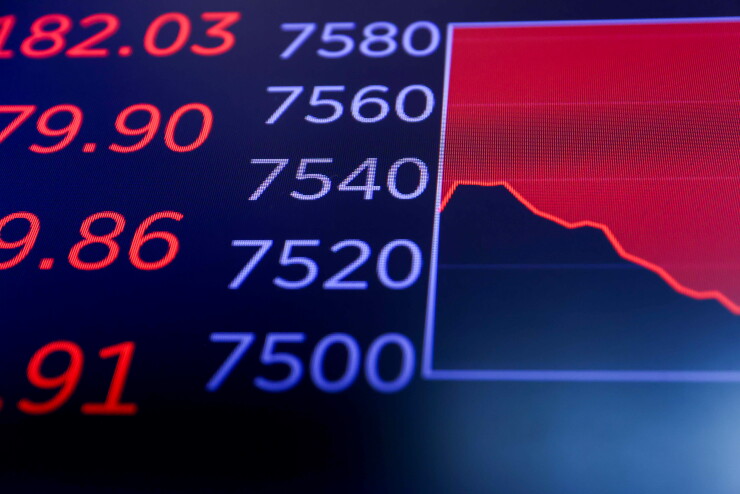
Michael Nagle/Bloomberg News
Re-focusing on the plan
Amid so much investment news and social content these days about wealth and portfolios, Wideman helps clients revisit their goals and any possible adjustments at every meeting.
“Beyond our meetings, we send monthly newsletters covering timely topics and host informational webinars, always asking clients what they want to learn more about,” Wideman said. “Most importantly, all of these touchpoints are proactive; clients know we’re aware of what’s happening and how we’re planning for it in their portfolios.”
Otherwise, investors of any age could lock in daily losses by retreating to cash, rather than behaving the way they would if they saw the price of a particular item at a discount at the grocery store, Timmons said.
“When that goes on sale, do you panic because the price went down? You typically buy more. You’re taking advantage, right?” she said. “The dip is really an invitation if you have been waiting on the sidelines.”
While doing some volunteer work last year during the volatility around the announcement of President Donald Trump’s tariffs, Caro sought to reassure one investor by sharing that she didn’t move any assets afterward.
“It’s an opportunity for an advisor to reinforce their services,” Caro said. “Part of the value of an advisor relationship is knowing that someone is paying attention on your behalf.”