The narrative around retirement has long focused on the savings gap — the difference in how much you need to retire and how much you’ve actually saved.
Recent data suggests the crisis is more complex and immediate, and it’s disrupting the retirement dream for millions.
According to recent findings from a poll of 1,000 retired Americans by Clever Real Estate, the average retiree has saved just $288,700 despite believing they need over $820,000 to be comfortable.
But focusing solely on this deficit overlooks other key pain points that retirees experience.
Here are the underreported pressures facing American retirees this year that could force them to go back to work.
1. Debt is dragging retirees down
A staggering number of older adults are carrying significant liabilities into their non-working years, turning what should be a safety net into a monthly struggle for survival.
Data indicates that credit card debt is now a big problem for seniors, with nearly half of retirees servicing high-interest debt. This forces a dangerous cycle where retirees must choose between paying down a credit card bill or buying medication.
Nearly 30% of retirees report having zero retirement savings, meaning their entire financial existence relies on Social Security checks that are often already earmarked for debt repayment.
2. House rich, cash poor
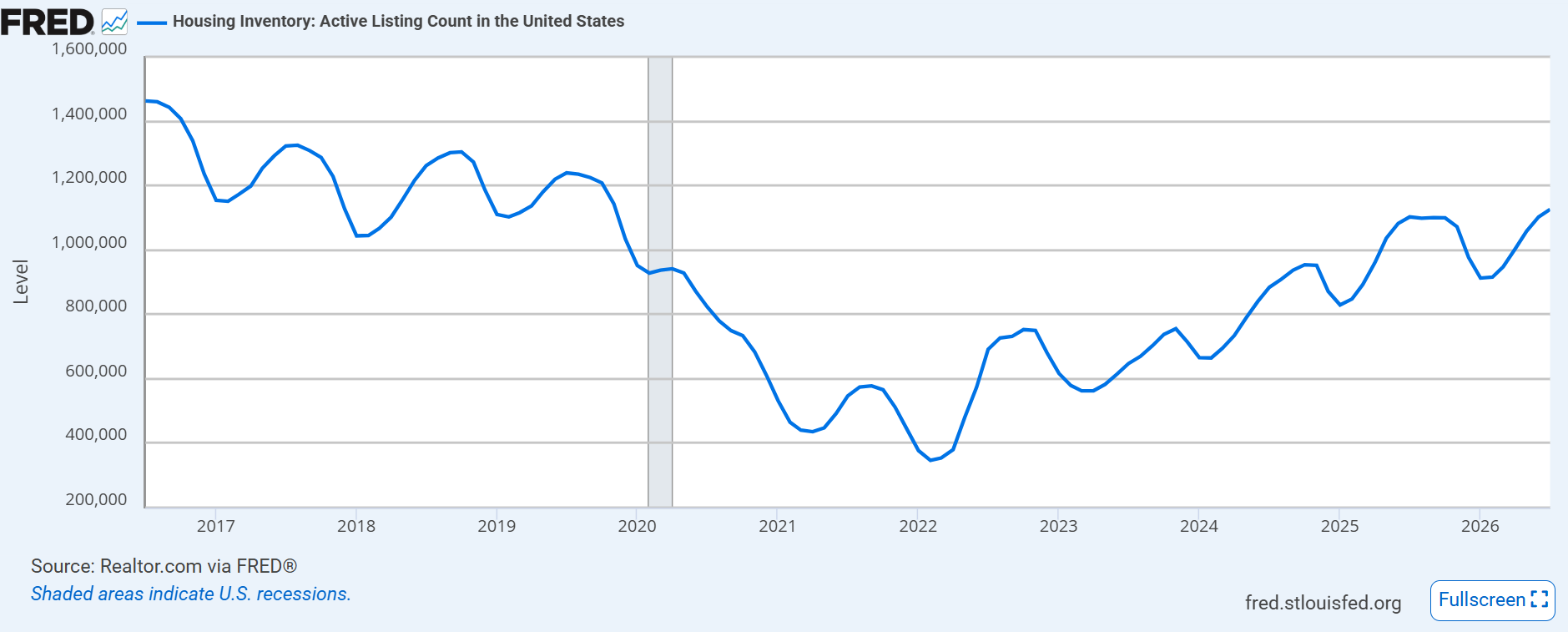
Homeownership isn’t the retirement safety net it used to be. While property values have soared, the liquidity of that wealth is illusory.
Retirees are facing a housing lock-in. They’re sitting on record equity, but they can’t afford to access it.
Selling a home often means entering a market with 7% mortgage rates or sky-high rents that would quickly eat up their proceeds.
According to the Clever Real Estate data, 49% of retirees admit a significant drop in home value would derail their long-term plans.
Worse, 73% admit they could not afford to buy their own home in today’s market. They’re effectively trapped in aging properties that require maintenance they struggle to afford, unable to downsize because smaller no longer means cheaper.
3. Damage from inflation
While economists debate the rate of inflation, retirees are living with permanent higher prices. The cost of goods has not returned to pre-2022 levels, despite not rising as fast.
The pressure can result in dangerous trade-offs. Fourteen percent of retirees have missed medical appointments to save cash. And 60% report spending more than expected on insurance premiums alone.
Another 66% of retired Americans believe that inflation has erased the value of their hard work and savings. More than 80% say the government should do more to help retirees.
4. A lack of confidence in Social Security
Retiree confidence is eroding, with 52% growing more pessimistic since last year and over half doubting Social Security will pay full benefits for their lifetime.
More than one-third of seniors believe the program will actually run out of money before they die.
Despite the funding crisis, retirees overwhelmingly reject proposed fixes: 93% oppose cuts for the childless, and 58% are against raising the retirement age.
While few support reducing payments for wealthy seniors, nearly half favor increasing government benefits for those with little money saved.
5. Retirement income just isn’t enough
The concept of a firm retirement date is becoming obsolete. Nearly 1 in 3 American retirees (31%) have considered going back to work either part- or full-time as a means to earn or save more money during retirement.
That’s likely in response to a decrease in their standard of living, which a vast majority say they’ve had to adjust due to their retirement income.