Anyone can flip a house after hearing this episode. If you’ve got around 30 minutes and want to make a faster return on your money than rental properties, this is how you do it. And this isn’t just hype—Dave is putting this knowledge to the test, flipping his first house with the help of expert house flipper James Dainard.
James has flipped over 4,000 houses, has made more mistakes than almost any house flipper on the planet, and knows exactly what to buy, what not to buy, and how to turn an average, outdated home into a top-seller with six-figure profits. If you’re a beginner, you’re in luck—James is breaking down everything a beginner needs to know when buying, budgeting, fixing, and selling a house flip in 2026.
We’ll get into it all—why house flipping still works in 2026, the best properties to flip for beginners, the red flags to avoid (unless you’re very experienced), Dave’s actual first house flip numbers (with examples), how to protect yourself in a bad market, and what to do when costs rise faster than you anticipated.
Dave:It’s my first time flipping a house and I cannot wait to see that sweet profit when it’s all done. But until the sale actually closes, I am a little bit nervous. But fortunately, I have one of the best house flippers around to hold my hand through the entire process. And today we’re going to share everything that anyone thinking about their first house flip needs to know. Well, of course, talk about how to find the right deals and maximize your profit, but we’ll also talk about how to spot big risks and potential mistakes before you make them, all that and more, so you can flip with confidence stick around.Hey everyone. I’m Dave Meyer. I’m a housing market analyst and the head of real estate investing at BiggerPockets. I’ve been buying rental properties for more than 15 years, but I have never actually flipped a house until now. I am diving into a whole new realm of investing and it’s one that comes with big profits but also big risks. So today on the show, I have my on- the-market co-host, James Dainard with me. James is one of the most experienced flippers out there. He has flipped more than 4,000 homes in his investing career and he literally wrote the book on it, The House Flipping Framework. So James, you ready to help me out?
James:I always get so excited when people take their step into flipping houses.
Dave:You have finally converted me to the dark side. After knowing you for three or four years, I finally agreed to flip a house.
James:Yeah. It starts with one and then all of a
Dave:Sudden you try to get me to do two.
James:Yeah. The first one’s free, Dave, and then you’re going to be hooked on this.
Dave:Well, we’ll see. If it turns out well, I could see how it will be addicting, but because I’m still starting my first flip, I’m more nervous than excited right now.
James:Well, you should be nervous. I mean, flipping is a great tool in real estate, but it’s also a very, very risky. It’s probably one of the most riskiest asset classes you can buy in real estate. So I mean, I guess the real question is, Dave, I know you like hedging against risk, so why do you want to flip house?
Dave:There’s a couple of reasons I want to do it. The first is I want to get better at managing construction. I’m interested in flipping houses and if this first one goes well, I might do it more and more, but I’ve also been doing BERS and I’ve been renovating rental properties for 15 years now. And I admit I don’t think I’m the best at managing construction projects. So that’s my number one objective is to really learn how to work best with contractors to do things efficiently, price efficiently, and to maximize my ROI. So that’s the number one thing. The second thing is, as you know, I moved to Washington and it is super hard to buy cashflowing profitable rental properties, but I want to invest in my own backyard. And at least right now, it seems like flipping is the best way to invest in the Seattle area.
James:It is, especially in those expensive markets because properties are expensive, they’re in high demand. And if anybody can buy them, the pricing’s not that good. What I always say is flipping gives you the best foundation for being a real estate investor across all asset classes. I mean, you see how we cash flow in Seattle. When we’re buying a rental property, it’s not turnkey. Exactly.
Dave:Yeah.
James:But that’s how we create the math will work when you can buy so deep. And that’s what flipping is so important about it. You can create your own returns by controlling your cost. And so it’s not just about making money, it’s about making you a Swiss Army knife investor for all different types of asset classes.
Dave:That’s exactly why I want to do this. Maybe you’ll wear me down and I will become an addicted flipper like you are, but my objective at this point is to hopefully just build big chunks of equity that I can maybe put into other flips, but mostly use to go out and buy more rental properties, do more Burrs, that kind of thing. I am also lucky though because you have agreed to help me find my first deal as a flipper. So maybe tell us a little bit about if someone’s out there like me looking for their first flip deal and they want to do it in a responsible, risk adjusted way, what do you look for in that first deal?
James:Yeah, you want that cream puff for your first deal.
Dave:Oh yeah. You getting me a cupcake.
James:And that’s what you want though. There’s so many things involved in flipping. The first thing is you got to learn how to underwrite a house. Be able to pull comparables, look at it, look at what needs to be done and create a scope of work to create value and create equity. That’s hard when you don’t know what you don’t know. One of the biggest mistakes that flippers make when they buy their first deals, they buy the cheapest thing. And like, well, it’s going to be safe because I’m buying it so low. How can this go wrong? It can go wrong.
Dave:I mean-
James:I think the
Dave:Cheaper deals scare me way more.
James:The worst deals I ever bought were the cheapest deals.
Dave:They’re cheap for a reason usually
James:Because
Dave:No one wants them or there’s a lot of hair on them.
James:Yeah. Everyone else thinks it’s a tear down and maybe it really was. That’s where I’ve had second stories fall off houses. I’ve had all sorts- Oh yeah, no. Just
Dave:Like straight fall off.
James:Yeah. And it was a good deal. It was cheap. I bought it sight unseen. We started a demo and all of a sudden I get a call from the contractor. The second floor just fell off. I’m like, “What do you mean it just fell off? He sends me a photo.” My second, it literally fell off.
Dave:Did you save some money on demo at least?
James:I’ve never framed a house so quickly after that where we just got it framed back up and yeah, we had to throw a lot more lumber than what we thought, but that’s the hard part about flipping. So you want to take steps. I have flipped a lot of homes, a lot of zombie houses, a lot of beat up, beat up properties, but I didn’t start with that. I started with a townhome or something that was simple because it was about, well, how do you purchase the property? How do you look at it to make sure it’s a good deal? But then there’s so many other steps. How do you use the right leverage for that deal? How are you going to get your funding? Then how are you going to create a budget for that property? And that’s why you want that simpler project. You don’t need a swing for the fences.
Dave:Agreed. Yeah.
James:You need to take your time. It’s what, base its win games, right? Bases and doubles.
Dave:Totally. That’s the way I’m looking at it is if I can break even … Obviously I’m hoping to make money on this deal, but if I make a little bit of money, I’ll be happy if I learn a lot, which I’m very sure I’m going to learn a lot. And that’s why I think when you were convincing me to do this, you were sort of telling me more of a cosmetic flip. We talked about definitely not doing any structural stuff or major structural things for the house. What are other things that first time flippers should put in their buy box or keep out of their buy box?
James:Yeah. The number one is layout changes. It doesn’t matter what the condition of the house is. It’s how many spaces you have to create. When we’re flipping a house, we can buy this house and it’s in certain condition. It could be a two bed, one bath house. If your highest comp to create the most amount of value is a four bed, three bath, that means you’re going to have to move a lot of the home around to create that space or create new space. That’s the thing you want to avoid as a new flipper because you don’t know what you don’t know and it’s hard to control those costs. That requires a lot of framing. Even if the house is in really good shape, if you have to create those spaces, you still have to rewire it, you still have to re-plummet. Everything has to get done.So that’s what we want to avoid on the first one. Also, don’t buy the dilapidated home that is melting away. Now that’s something that gets … I get excited when I say- So leave
Dave:Those for
James:You. You don’t need to buy that deal. And so you want to create standard processes as you do your first flip. When you’re doing a cosmetic and maybe you have to add a bathroom or open a kitchen wall, those are the two items that are a litle bit more of the unknown, but you can control your flooring costs, you can control your doors and your trim. The cosmetics are things that you can easily control if you start going over budget. It’s really easy to go online and find a floor for a dollar less per square foot. It’s harder to find an electrician that will be 20% less than your lowest bid. And so start with the easy stuff. Don’t reconfigure the house and then don’t buy the dilapidated old homes that need all the mechanicals. That’s what you want to work into. But if you can systemize the cosmetic first, then you go into the mechanicals.
Dave:And I assume buying cosmetic, most of the time your margin is going to be a little bit thinner though, right? Because there’s going to be more demand for those kind of homes. But there’s also less risk, right?
James:Less risk and less time in the deal. Time kills deals. One of the biggest things, I think, mistakes that people look at when you’re flipping a house is like, well, the margin’s a little low. I always look at annualized return. How much money can I put into a house? What can I make? And then I look at how many times can I do that in a year? Many times, even if you’re making just a base hit, but you can do that two or three times in a year, you will actually do better than the big, big fixer. And so look at what your return is. You buy a really good house, good location, not that bad of shape. You’re going to have a slimmer margin, but there’s less risk. And so that’s okay.
Dave:Totally.
James:Because the simpler projects, better for the new flipper.
Dave:I think it’s the same thing with rental properties. If you were just getting started investing in real estate, at least for me, you were going to take on a borrower or rental property, I’d say probably go buy in a B class neighborhood. You’re not going to get the best deal. You’re not going to overpay for something in A class that’s probably not going to cash flow, but just go out there and hit a double and learn as much as you can and move on.
James:Yeah. Don’t buy weird. Buy something clean that needs minor changes. That’s why we started with this one, Dave. We don’t want to go knee deep into a big, big project. And we’ve done, me and you have done some projects where you’ve not been running the whole project before. Yeah, you don’t let me near those. As you
Dave:Shouldn’t. Yeah.
James:No, because you’ve been taking steps to get into a flip and you’re like, all right, well, I want to watch the bigger project. Watch the process. Watch all the things that even if I flipped a lot of houses, mistakes happen. Things happen and you go, oh, okay, how do I deal with this mistake? And so just baby steps, but once you get in the flipping, it can change everything for you as an investor.
Dave:All right. So I want to tell everyone about the deal that you found and ask you a little bit more about flipping in the current market environment that we’re in, but we got to take a quick break. We’ll be right back. Welcome back to the BiggerPockets Podcast. I’m here with James Dayner talking about my first flip. James, you helped me find a deal in the Seattle area that fits all the criteria that we were just talking about. Something that’s manageable, low risk, hopefully quick deal that I can get in and out of. Tell everyone about the deal that you found.
James:This is a perfect first house. Besides, it’s a little expensive.
Dave:It’s more than a little expensive.
James:It’s definitely more than the last bar you bought. Yeah,
Dave:For sure. All
James:Right. The reason I like this is great location. When we’re flipping, the way for us to get in and out of a project is if you buy where everyone wants to live and you have the right product, it’s very sellable even when the market’s slowing down. The next best reason is we can do carpet angels in this house, Dave.
Dave:Yes.
James:Very rarely- You can
Dave:Just live in this house. It’s nice.
James:It is moving data ready. And when you’re buying in a more expensive market, that is the benefit in Seattle and some of these other areas like San Francisco, even Denver, can be expensive. Because the cost of construction is so much for the consumer, you can buy some clean homes, put in the right finishes and really, really increase the property. And so this house is perfect for the first time flipper. It’s built in the late ’70s. So it’s got good mechanicals, like the plumbing made out of copper. The wiring, not old. The light switches are kind of where they need to be.
Dave:They’re fine.
James:The roof’s
Dave:Good.
James:Roof’s good. Windows have been updated. The mechanicals of the house is a very well kept home. It just was out of date.
Dave:Yeah. It just looks like grandma’s house.
James:Yeah. And the issue with the house is the layouts are just not modernized. It’s got a closed off kitchen, little bit smaller primary bedroom and those are things we’re going to have to fix, but they’re minor changes. So that’s why I liked that part. But you had good mechanicals. It’s in a great location where product that everyone wants to buy. Right now, the market’s a little risky. Dave’s getting into flipping right now when things are compressing and they’re hard to sell. I
Dave:Don’t know why I’m doing it.
James:Because that’s kind of the best time to jump into something. When everybody else is terrified,
Dave:There’s truth to that.
James:It leaves more opportunities. I wouldn’t be able to buy this house for this price in this condition a year ago.
Dave:Yeah, for sure. No way.
James:It would’ve got multiple bids and probably sold for 1.3 to 14. We got you this house for 1,190. And so the reason I liked it for you as your first flip is also low risk. We knew the as-is value is 1.35 million walking in. So the day you walked in, you had some equity on it. Mechanicals are good so we don’t have to rearrange a lot of things. The layout bedrooms and bathrooms are where they need to be.
Dave:Yeah. I mean, all we’re doing is, but we got the bathroom a little bit in the primary and opening up the kitchen from a structural perspective.
James:And the slider.
Dave:The slider. I love
James:The slider. Yes. The slider in the basement, we got to get access out there. We still got to create those spaces. But yeah, everything’s kind of where it needs to be. It just needs to be modernized and improved slightly. So that’s why it’s a good first deal.
Dave:Yeah. I like this as the next step for me because no individual element of the project I haven’t done before. Like what we’re framing in the primary, I’ve done projects like that. Opening up a kitchen, I’ve done projects like that. I haven’t done the slider exactly, but I’ve done some things similar to that. So all those things I’ve done, I’ve just never done it under time pressure.That’s sort of the big
James:Difference
Dave:For me. With rental properties, it’s less sensitive to how long it takes, but I took it’s a $1.2 million property. It’s very expensive or have hard money loan on it. So it’s costing me eight, $9,000 a monthJust to hold onto this thing. So I feel comfortable with the construction part of it, but trying to do this really, really quickly so we can get it back on the market is the piece that’s new, but that’s the exciting part.That’s why this feels good to me is I know I can handle the individual elements and I’m challenging myself in one way instead of trying a ton of new things all at once. So obviously this deal is very expensive. If you live anywhere near Seattle or California, you will understand that this is what things cost. But for a lot of people out there probably don’t have the capital to pull down something like this, but before you said people shouldn’t be buying the cheapest deal. So what do you recommend for new flippers who want to get into this and do what you’re saying, not take on a really big project, but maybe don’t have the capital to buy something that’s in a little bit better condition?How do you navigate that?
James:So one thing right now, market’s a little riskier, things are slower. That creates more opportunities. Those opportunities for a new flipper, even though the market’s riskier, there’s more available inventory to negotiate. When the market changes, we’ve been able to secure a lot cleaner houses on better buys because there’s just less demand overall. And so the cheap stuff we want to stay away from are the really, really old ones. And so as a new flipper, I always tell people, don’t buy anything. I think when we talked, I was like, don’t buy. We want to stay 1960s or newer. Better layouts, better mechanicals. That’s our hard rule. And when you’re new flipping, you got to create your own buy box. This is what I’m good at. This is the contractor I have. You’re partnered with your brother-in-law, Greg on this one. He has construction background, but not like a heavy, heavy studs down flip.No.
Dave:He’s commercial construction, not doing this kind of stuff.
James:No. And so he’s going to learn his trades. And I always say, buy what your resources have. Now, if Greg, your brother-in-law was an experienced home contractor and done big projects, your buy box might’ve expanded out.
Dave:That’s fair. Yep.
James:It’s not always about price in location. It’s about what resources do you have and just stay away from the old stuff. Everyone getting new flipping, you don’t need to buy the oldest thing. The oldest thing will give you the most amount of problems.
Dave:So you’d rather see a new investor go to a cheaper market and buy the buy box you’re describing 1960s or newer than stay in downtown Seattle, which could have really high upside, but then you’d be buying something from 1910 or something and that just brings on too much risk.
James:Yeah. And people get that in their brain all the time. I want to buy a flip in this area. And I’m like, why? Well, because I’m close to it. I like that neighborhood. I like the schools. Fair. Yeah. Those are all valid points. You have no business buying in this neighborhood though because the homes are old and you don’t know what you’re doing. We want to go here. The most important thing is flipping is buy what your resources can do.
Dave:That makes a lot of sense.
James:I’ll go anywhere. I have really good contractors in Nebraska and they’re really good at turning condos and I can get deals on the … I will flip in Nebraska. That’s how you control the cost because your core team, the fundamental of flipping is to improve the value with the strategic rehab plan. The middle part’s the most important part of flipping. The money’s not made on the buy. It’s made on the plan and the resources you have and new you can be way more fluid. So go where you are capable of, not the location that’s in your brain.
Dave:That’s great advice. And I think it just speaks to the fact this same thing with rental properties. It really is just math. For you, you are just targeting a return, a specific amount of return, a specific risk reward profile, and you’re willing to do that almost anywhere if the math makes sense rather than sort of being somewhat emotional about it and just falling in love with a specific property or location.
James:I’ll go anywhere, anywhere. People always think we do these massive homes and we do, but one of the best deals I ever did this year was an hour north out of Seattle. It was a mobile home. It was not sexy and I had to go there zero times. My contractor knew how to get in and out real quick and we ended up doing … We paid 290,000 for it. We put 100 in, it was big project and mobile home and we sold it for six.
Dave:Wow.
James:So just buy what your resources can do. That’s the most important thing.
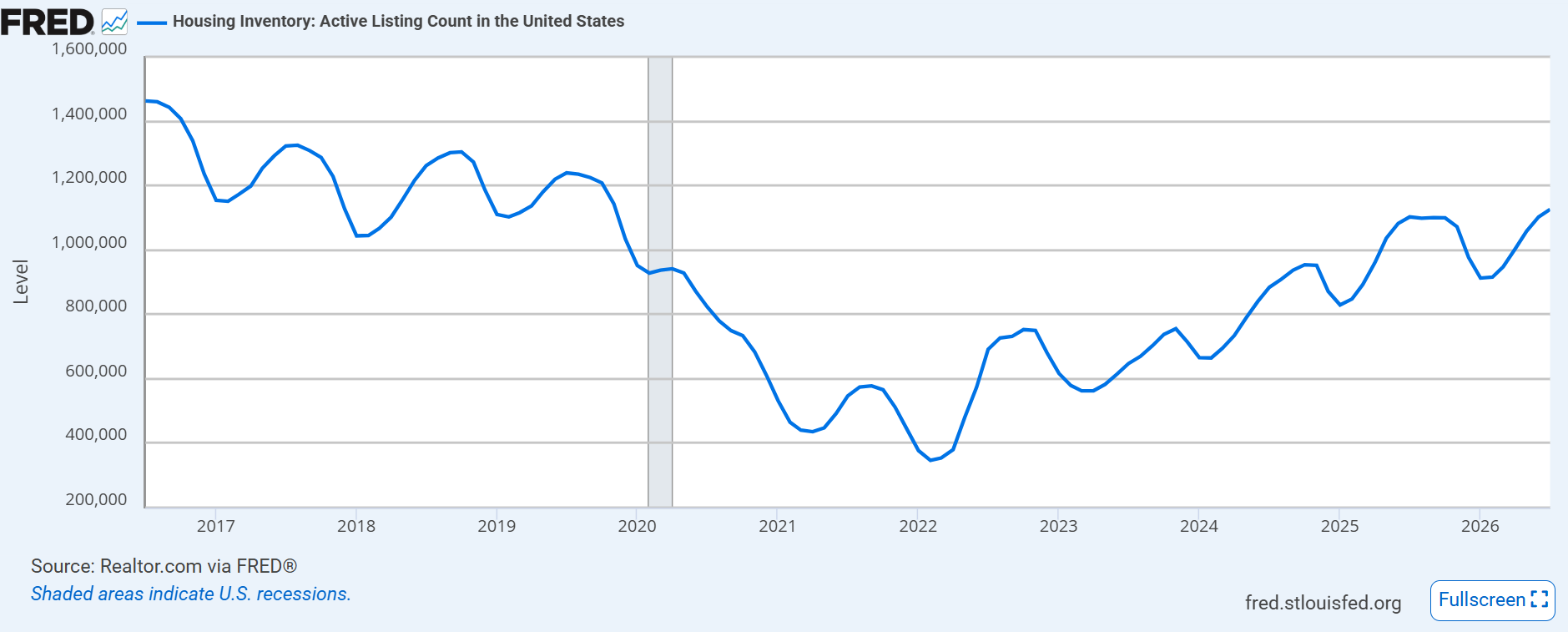
Dave:Oh, that’s great advice. So especially for new flippers, just trying to take on something that is reasonable and responsible for you and that you are confident that you can pull off with the time and the money that you have to contribute to the project. I am feeling pretty good about the construction. I feel pretty good about the plan. The market is what worries me right now because we are seeing in Seattle and in most places in the country, days on market are going up.
James:It’s
Dave:Not as hot of a market as it used to be. So is it still a good market to be flipping in?
James:Yeah, the market, it goes up and down and it transitions. And that’s the risky part about flipping. Timing is everything in this business. Whether you buy the right rental property, it appreciates, rents go up. It’s just what is it? We’re so tied to the economy that you don’t know what could happen at any time and that’s why it’s really, really risky. It is very normal what’s going on right now and I’m just used to it. What wasn’t normal for me was like 2008 when we were at Flippini. And then we would look at a house and it was going to be worth 10%, 15% less than the day we bought it. And so that was hard. We were trying to time it on the way down. Where it hurts in this business is when you get stuck in the middle. I have right now nine houses for sale of my own.I ran a proforma when I bought those properties. I thought I would have them for a certain amount of time. Market time, all my comps might’ve been five days during that time, now they’re 45. And so the extra cost, the more time in a deal will slow down. And so it does come with a certain amount of risk, but that doesn’t mean it’s not solvable. You just have to do the underwriting upfront. Your house that you bought a year ago, we would’ve ran the performa at a four-month buy and hold. Renovate it in eight weeks, get on market. We’ll sell it in the first week, close in 30 days. We’ll be in and out of this deal in four. Now when we looked at the proforma, we ran it at six months. We had an extra two months of time. Also, when it transitions, you don’t want to go to the high end of the comps.So when we looked at this, we thought the value was 1.6 million.
Dave:Yeah, that’s the performa.
James:The performa is 1.6. Our comps are 1.625 and 1.7 when you bought it. We didn’t go to the high end of the comps. And so that’s the important part. You can’t get deal goggles. I can buy this thing. How do I mitigate risk? If market’s slow or not, as long as I buy it right and I look at and have the right expectations upfront, that’s how it becomes a lot safer.
Dave:So it sounds like really what you have to do is the same thing I recommend to people about rental property investing right now is just extremely conservative underwriting. And when you’re buying a rental property these days, I often caution people to really put low expectations for appreciation, low expectations for rental growth, high expectations for property tax growth. You need to account for all of those things. You don’t know if they’re going to happen, but you need to sort of assume … For me, not the worst, but I assume a pretty negative scenario going forward, not because I necessarily think that’s going to happen, but I want to protect myself in case that does happen. And if things kind of keep going like there, which is kind of flat-ish, then you’re going to be fine and you actually might do better than your performa. Is that sort of how you would approach it?
James:Yeah, it’s a high risk, so you want to be conservative right now. Don’t go to the high end of everything and build in the worst case scenario. On this deal, the reason I liked it for you, because this is a lot of pressure for me, Dave.
Dave:Yeah. Oh, I know. That’s why I’m airing this to make sure this deal goes well.
James:Yeah, this deal better go well or I’m going to have to retire. No, I’ll just get you a better deal next time. But then also make sure that you have a very sellable product. That’s where people get jammed up on. They’re missing an amenity. They’re on a busier road. There’s negative impact properties right now in a slow market you want to stay away from. And this house had all the things that the buyer and the demographic wanted, two car garage, big backyard, right bedrooms, right bathrooms, right layout, right location. That’s sellable even in a slow market.
Dave:Yeah. You don’t want to cut costs and make a worse house because you’re in a not good market. And in a lot of ways, you want to almost make a better house. You need your house to check every single box because buyers are going to have more options and then you want to make it that yours is easily the best product on the market so that when they go and tour three or four or five houses in a day or in a weekend, yours is the best one.
James:Sometimes you want to lean into it. 2008 when we were flipping, nobody wanted to spend money flipping a house. These were very basic shops. We used to do a couple little things though that would separate us from the rest of the inventory. And this is when there’d be six months inventory in the market, nine months of inventory and we’d somehow be the magical house that got plucked out. It was fancy back then. People laugh now, but we would throw really nice tile in the kitchen backsplash. And it was like, whoa, you got full tile backsplash. Or we were doing stainless steel appliances. It was like these little differences that made the buyer go, “I want that one.”
Dave:Right. And people think that’s going to cut into your margin, but not necessarily. Because if that means you have 30 days on market instead of 90 days on market, you’re saving a lot of money in holding costs that probably at least makes up for those upgrades on the appliances or the backsplash or whatever.
James:And I’m frugal with things. I’ll cut costs, but when you got to lean into it, you got to lean into it. And that’s why it’s really important. When you’re a first-time flipper, you got to surround yourself with the right team. This is a huge mistake people make. They go, “Well, I just need to go meet a bunch of wholesalers. I need to meet a bunch of brokers.” You need that dependable team. You need a really good lender that can fund your deal. You need a contractor that can implement that process, but you also need a broker to keep you up to date with real-time market updates. So you got to have a broker that can not just send you comps, go, “Hey, I think this is what you should be doing.” Pay attention to those comps, follow your broker’s opinion because the broker can help you vet the deal, look at it, but then give you advice on how to maximize that sale price when they go to sell it.I see a lot of people make that mistake. They go find the discount broker because they’re saving money. Well, the guy’s doing it for 1% and that could be beneficial.
Dave:Not if they don’t know what they’re doing. If they
James:Don’t know what they’re doing. Not that they
Dave:Can’t sell the house quickly.
James:If they give you bad advice and they tell you to go, they don’t give you an update that, “Hey, someone just spent $100,000 more because they have a slider out to their backyard, probably want to invest that slider.” And so just hire the right team around you as a flipper. You need the right support because all sorts of other things are going to go off in this. Permits, neighbors, construction issues, contractor issues. You need that net to catch you and to help you work through those items.
Dave:That’s great advice. I think this is something I’ve just learned in the last couple of weeks that you need to really … The whole game is figuring out where to spend money. It’s like you have a budget, there’s some things that you can save money on, some you have to go a little bit over on and that’s what’s kind of fun about it. It just feels like sort of like a puzzle that you’re constantly trying to maneuver and move around. And I really have been enjoying the problem solving part of it, but I’m also lucky because Greg does all the construction management for me.
James:And I’ve enjoyed working with Greg because he’s frugal in his own way.
Dave:Oh yeah.
James:And I was thinking commercial contractor, he’s going to spend all this money. I’m going to have to watch him, but he’s like, “I think I can get this for this. ” And I’m like, “Hey, I can get you this floor for this price.” And he’s like, “Oh, really? ” And so it’s like because I don’t own the house, but we’re helping with the house because we’re the broker by even putting me and his brains together, we’ve saved thousands of dollars off the construction. Oh, sure.
Dave:Absolutely.
James:But that’s what you want, because flipping can be lonely.
Dave:Oh yeah.
James:If you’re in this house by yourself and it starts snowballing, you’re like, “I’m the guy that’s not getting this done, or I’m the gal not getting this done. So just have the right team around you.
Dave:” We’ll talk more about flipping in the very weird market that we’re in right after this quick break. Stick with us. Welcome back to the BiggerPockets podcast. James and I are here talking about my first flip and how to navigate the tricky, somewhat confusing market that we’re in. One more question for you. We’ve been on the topic of controlling costs. How are you handling changes in material costs? Because we’re seeing tariffs over the course of the last year impact everything from lumber prices, cabinet prices, construction trucks, which sort of trickles into the services side of the industry. How are you personally mitigating the risk of price increases even over the course of the hold of a single project?
James:That’s a tough thing. We had to get really good at this during the pandemic too, because there was a shortage on things and the pricing got out of control. You have to pause and go, “Okay, can we lean into this? ” And if you start going over budget, do you just go for a different plan and upgrade the house a little bit more if you have some comparables that will support that plan? So sometimes it’s going, “Okay, well, we had this, like your house, a more basic plan had a little bit of creep going on. ” All of a sudden we are three to 4% over budget for some unexpected and then we were looking at the comps and we go, “Well, we can just upgrade another 5% cost and go for this price.” So you got to look at, can you lean into it and switch your plan up?But a lot of times you just got to go, “Okay, well, what can I go find cheaper?” And you always want to focus on the cosmetics. The way to get your cost down if you start getting creeped is you got to make multiple phone calls. We get more bids now than we did a year ago. It’s like, all right, we’re going to get five roof bids, five electrical bids, five plumbing bids, and we’ll just call, call, call. But some of this stuff, you can always find a deal. Tariff’s aside. Okay, appliances go up. Okay. I can go to a clearance center. I can mix match my appliances. I can probably shave $1,000 off. You can always find, I was talking to Greg, I’m like, “Hey, these floors are only three bucks and we had a 350 allowance.” So that’s picking up $3,000 in cost across your budget.And so when you go into your first flip, always put in, I said, set allowances. What do you want to put in the property? You need to put yourself on an allowance so you don’t spend anymore. That’s our ceiling cap. But it also allows you to be more flexible. As a new investor, that’s how you control because it’s very tangible for anybody going, “Okay, my floors are four bucks. If I can get it for three, that’s a dollar cheaper.” So in these times, pad your budgets, throw a contingency on and then have a little bit bigger material allowances because you’re more flexible on those than you are rewiring a house.
Dave:Right. Well, so you’re saying though, you want to stick to that allowance and budget, but you want flexibility about the actual product that you do. So you
James:Say
Dave:It’s 350, maybe on your spec sheet when you’re specing it out, you have some floor that you really like and then all of a sudden it goes up to four bucks. You got to stick to the 350 and sort of adjust what material you put into the house because you sort of set that unless you’re going to upgrade the whole plan and go for a higher price point.
James:Yeah. You either got to switch your plan, upgrade the house to a new value or the floors you really love, you can’t love them anymore. Go find something else. Yeah,
Dave:Exactly. So you need to be a litle bit flexible there. All right. Well, this has been a great conversation. You’ve helped me obviously so much in the last couple of weeks. I’m looking forward to finishing this thing out. Any last advice for people like me who are sort of curious about flipping, not fully sold, want to dip their toe into it? Any last words of wisdom?
James:I think you don’t have to buy your first flip. You can work into it. Right now, I’ve explored some other markets. I don’t have the same skillset and resources. I have experience like Newport Beach. I got this big flip going on right now. I didn’t have the contractor, I didn’t have the resources. So I partnered with someone on that project because they can run the job site, they know the cities, they know the permits, they know the trades, they will control the cost. He will probably get this budget done for about 400 grand less than I could do it right now.
Dave:400 Grand.
James:It’s a big budget. It’s 1.6 million. So it’s a different thing, right? It’s what? It’s the most expensive property, but I did that because I wanted to reduce my risk. Now, do I think I could figure it out? I can, but it’s going to take time. It’s going to take effort. It’s going to cause stress. So you can partner with someone first, watch the process going on, and then take your step into a cosmetic. You don’t have to rush into this.
Dave:Yeah,
James:Totally
Dave:Agree.
James:Just find the people doing it that have been doing it for a while because we’ve gone through all different types of market cycles. We felt different types of pains, different types of wins. Learn that way you can still make money and then branch off baby steps. Don’t jump in too deep on any heavy construction project. Burs, flips. They can eat you alive and eat your numbers alive.
Dave:For sure. This is the kind of market, whether, like you said, burrs, flips, rental properties, whatever. It’s a time to be patient right now. Not patient in finding deals, but also just not rushing to try and make massive returns on your first deal or jumping into a project that you’re not equipped to handle. Just be patient and disciplined about your approach and trust that if you do this responsibly over a consistent amount of time, you’re going to be successful in this industry.
James:You’re going to run into some rock walls at some point. It’s frustrating. Can you learn from them? Can you systemize around it? Learn from your mistakes. I make mistakes on every house. I have to learn around those. That’s
Dave:Good to hear because you’ve done a lot.
James:I’ve made the most mistakes probably in the nation flipping houses.
Dave:And you say it proudly. I’m
James:Probably the worst flipper in the room if we’re going by mistakes, right?
Dave:That’s true. I haven’t made any
James:Yet. Yeah. You got a perfect scorecard right now. Mine is very battled. And that’s the thing, you guys, it’s just learning. You don’t know what you don’t know. You don’t know what’s the sidehouse is, but have the right team around you, you can always get through those problems. And so don’t get frustrated. I’m excited not for you just to make some money on this flip. I’m excited to see what kind of multifamily deal you take down in a year.
Dave:Yeah, exactly.
James:That’s what I’m most excited for.
Dave:Yeah, for sure. Well, thank you so much for sharing your knowledge with the entire BiggerPockets community today. Thank you so much for holding my hand on this first flip. We’ll, of course, update everyone as this project progresses and tell you how it winds up.
James:Yeah. And hopefully I don’t look bad. The press is real.
Dave:Greg and I are going to work very hard to make this look good. And for everyone listening, if you want to learn how to flip from James, obviously you can hear him here on BiggerPockets, but also check out his TV show on A&E Million Dollar Zombie Flip.
James:Well, and you got to make a special guest experience.
Dave:I’m also going to be on it this season, so come check it out.
James:Yeah. You guys not only talking about flipping the house, you got to watch us.
Dave:Yeah, you can actually see the house I’m going to be flipping.
James:That’s why the pressure’s extra for me.
Dave:Yeah, because it’s going on TV for both of us.
James:Yeah. TV, podcast world.
Dave:Yeah, definitely better go well, but I have confidence that it’s going to. Well, thanks so much, man. And thank you so much for listening to this episode of the BiggerPockets Podcast. We’ll see you next time.
Help us reach new listeners on iTunes by leaving us a rating and review! It takes just 30 seconds and instructions can be found here. Thanks! We really appreciate it!
Interested in learning more about today’s sponsors or becoming a BiggerPockets partner yourself? Email [email protected].