No Result
View All Result
  • Login
Monday, July 13, 2026
theadvisertimes.com
  • Home
  • Business
  • Financial Planning
  • Personal Finance
  • Investing
  • Money
  • Economy
  • Markets
  • Stocks
  • Trading
  • Home
  • Business
  • Financial Planning
  • Personal Finance
  • Investing
  • Money
  • Economy
  • Markets
  • Stocks
  • Trading
No Result
View All Result
theadvisertimes.com
No Result
View All Result
Home Money

Digital Currency ‘De-Risking’: Why Your Bank May Suddenly Freeze Transfers to Your Crypto-Holding Heirs

by theadvisertimes.com
3 months ago
in Money
Reading Time: 11 mins read
A A
0
Digital Currency ‘De-Risking’: Why Your Bank May Suddenly Freeze Transfers to Your Crypto-Holding Heirs
Share on FacebookShare on TwitterShare on LInkedIn


Image Source: Shutterstock

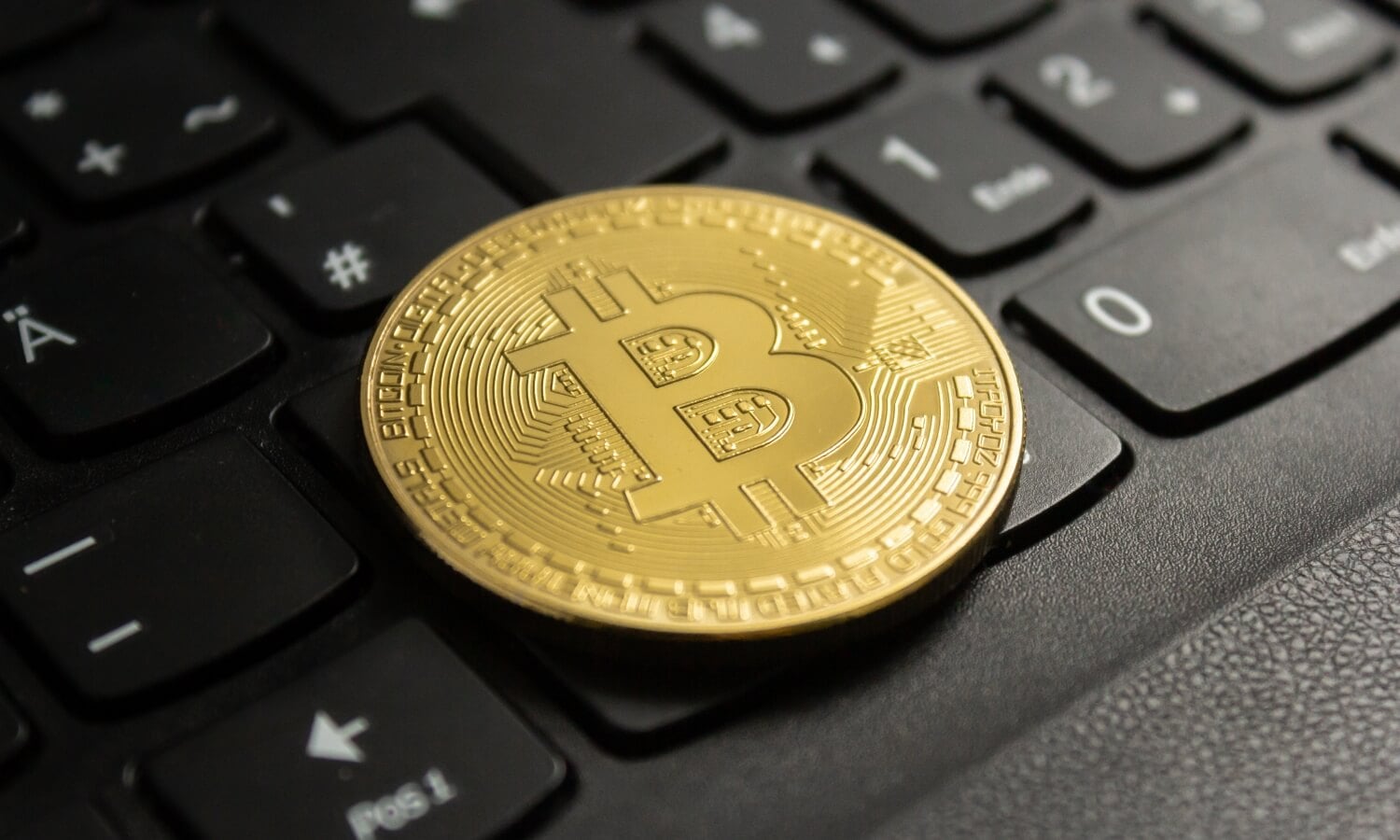
If you’re planning to pass down cryptocurrency to your children or heirs, there’s a hidden risk most people never see coming—your bank could suddenly freeze the transfer. It’s not because your money is illegal or because you did anything wrong. Instead, it’s part of a growing trend called digital currency de-risking, where banks tighten controls around crypto-related transactions. This shift is catching families off guard, especially during estate transfers when timing matters most. Here’s what’s really happening—and how to protect your heirs from costly delays or frozen funds.

What “Digital Currency De-Risking” Really Means

Digital currency de-risking refers to banks reducing their exposure to crypto-related transactions due to compliance concerns. As cryptocurrency becomes more mainstream, regulators are increasing scrutiny around money laundering, fraud, and sanctions risks.

Banks respond by tightening internal policies, flagging transactions that involve digital assets, and sometimes freezing them altogether. This isn’t about banning crypto—it’s about managing uncertainty and regulatory pressure. The result is that even legitimate transfers can be delayed or blocked if they don’t meet strict compliance standards.

Banks Use Automated Risk Systems That Flag Crypto Activity

Most banks now rely on automated systems to evaluate transaction risk in real time. These systems analyze patterns like transaction size, frequency, origin, and destination. Crypto-related transfers often trigger alerts because they don’t fit traditional banking models. When a transaction lacks clear documentation or context, banks default to caution and freeze it. This means your heirs could face delays simply because the system doesn’t “understand” the transaction.

Inheritance Transfers Often Look Suspicious to Banks

Passing crypto wealth to heirs doesn’t always follow a standard financial pattern. Large, one-time transfers—especially across accounts or borders—can resemble fraud or illicit activity. Banks may question the source of funds, even if everything is legitimate. Without clear documentation, the transaction may be paused for investigation. For grieving families, this can create frustrating delays during an already difficult time.

Anti-Money Laundering Rules Are Driving More Freezes

Global anti-money laundering (AML) rules have become much stricter in recent years. Regulators now expect banks to verify the origin, purpose, and destination of funds—especially for crypto. If any part of that chain is unclear, the bank is required to intervene. This includes identifying both the sender and the recipient, even in inheritance scenarios. As a result, even routine estate transfers can trigger compliance reviews.

Cross-Border Transfers Face Extra Scrutiny

If your heirs live in another country, the risk of a freeze increases significantly. International transfers often pass through multiple intermediary banks, each applying its own rules. Any one of those institutions can flag or block the transaction. Crypto-linked transfers are especially vulnerable because regulations vary widely across jurisdictions. This can leave families stuck waiting without clear answers about where the money is or when it will arrive.

Stablecoin and Crypto Regulations Are Expanding Rapidly

New laws and frameworks are reshaping how banks interact with digital assets. For example, recent proposals require crypto-related entities to follow strict compliance and monitoring rules. These include the ability to freeze or block transactions that don’t meet legal standards. Banks are adapting by becoming more conservative with anything crypto-related. That caution often translates into delays or freezes for everyday users.

“De-Risking” Is About Liability—Not Just Safety

Banks aren’t just worried about fraud—they’re worried about penalties. Failing to catch suspicious transactions can result in massive fines or regulatory action. To avoid that risk, banks sometimes overcorrect by blocking anything that looks unusual. This approach is known as “de-risking,” and it prioritizes institutional safety over customer convenience. Unfortunately, that means your heirs could be caught in the middle of overly cautious policies.

How to Protect Your Heirs From Frozen Transfers

The key to avoiding digital currency de-risking issues is preparation. Document your crypto holdings clearly, including wallet details, transaction history, and ownership proof. Work with an estate planner who understands both traditional finance and digital assets. Consider using regulated intermediaries or structured transfer methods that align with banking expectations. Most importantly, communicate your plan to your heirs so they aren’t navigating this alone.

Your Money Is Yours—But Access Isn’t Guaranteed

Digital currency de-risking is changing how wealth moves between generations. Your assets may be secure, but transferring them isn’t always straightforward anymore. Banks are prioritizing compliance, and that means even honest, well-intentioned transactions can face delays. The good news is that with proper planning, most of these issues can be avoided. Taking steps now can save your heirs from stress, confusion, and financial disruption later. In today’s financial landscape, protecting your legacy means understanding the system—not just trusting it.

Have you thought about how your crypto assets will be passed down—or could your heirs face unexpected delays? Share your thoughts below!

What to Read Next

Guard Your Legacy: The Digital Wallet Mistake That Wipes Out Crypto Assets

6 Everyday Accounts That Now Lock You Out Without Digital Login Verification

7 States Expanding Digital-First Public Services

Amanda Blankenship is the Chief Editor for District Media.  With a BA in journalism from Wingate University, she frequently writes for a handful of websites and loves to share her own personal finance story with others. When she isn’t typing away at her desk, she enjoys spending time with her daughter, son, husband, and dog. During her free time, you’re likely to find her with her nose in a book, hiking, or playing RPG video games.

Read More

Banks and depositors flee crypto with little help from insuranceBanks and depositors flee crypto with little help from insurance

Metropolitan Commercial Bank (MCB) is pulling out of the cryptocurrency market, while Silvergate Bank is…

Lumber Prices Up, Down, Up Again The decrease in lumber costs looked like the light…

crypto wallet mistakes that seniors makecrypto wallet mistakes that seniors make

Cryptocurrency has become a mainstream investment, with millions of Americans holding Bitcoin, Ethereum, and other…

cash envelopes in the digital agecash envelopes in the digital age

The envelope budgeting system is one of the best-known ways for people to budget. It’s…

retirees, money, cashretirees, money, cash

For decades, retirees were told to keep their savings safe in banks, FDIC-insured, easily accessible,…

digital wallet limitsdigital wallet limits

More retirees are using digital wallets for everyday purchases, but many are discovering unexpected limits…



Source link

Tags: bankCryptoHoldingCurrencyderiskingDigitalfreezeheirsSuddenlyTransfers
ShareTweetShare
Previous Post

Best international equity ETFs for Canadian investors 2026

Next Post

Iran to prioritise Strait of Hormuz passage for vessels that pay fees

Related Posts

How Outdated EBT Cards Are Fueling a Surge in SNAP Benefit Theft

How Outdated EBT Cards Are Fueling a Surge in SNAP Benefit Theft

by theadvisertimes.com
July 13, 2026
0

Every month, one in eight Americans, 42.4 million people, use a government-issued EBT card to buy food. It is similar...

The ‘Widow’s Penalty’: The Tax Ambush That Hits the Year After Your Spouse Dies — and 5 Ways to Beat It

The ‘Widow’s Penalty’: The Tax Ambush That Hits the Year After Your Spouse Dies — and 5 Ways to Beat It

by theadvisertimes.com
July 13, 2026
0

Imagine losing your husband of 45 years in March. Then, the next spring, you open a tax bill that’s bigger...

Small Business Creation Is Booming. What’s Contributing to the Rise?

Small Business Creation Is Booming. What’s Contributing to the Rise?

by theadvisertimes.com
July 13, 2026
0

Lily Meglio’s days are busy, but she never dreads going to work. On most days, the door to Lily’s opens...

June CPI Comes Out July 14—Why Retirees Should Watch This Number Closely

June CPI Comes Out July 14—Why Retirees Should Watch This Number Closely

by theadvisertimes.com
July 12, 2026
0

For most Americans, the monthly Consumer Price Index (CPI) report is just another economic headline. However, it can offer important...

What Happens to Your Airline Miles When You Die?

What Happens to Your Airline Miles When You Die?

by theadvisertimes.com
July 12, 2026
0

Many people spend years earning airline miles through travel, credit card spending, and loyalty programs, yet few stop to consider...

Why Seniors Are Creating “Scam Scripts” Before Answering Unknown Calls

Why Seniors Are Creating “Scam Scripts” Before Answering Unknown Calls

by theadvisertimes.com
July 12, 2026
0

The phone rings, and the caller ID shows a number you don’t recognize. Do you answer, ignore it, or risk...

Next Post
Iran to prioritise Strait of Hormuz passage for vessels that pay fees

Iran to prioritise Strait of Hormuz passage for vessels that pay fees

Better Buy: Bitcoin (BTC) or Bittensor (TAO)?

Better Buy: Bitcoin (BTC) or Bittensor (TAO)?

  • Trending
  • Comments
  • Latest
Should You Offer a Concession to Get Your Apartment Leased Faster?

Should You Offer a Concession to Get Your Apartment Leased Faster?

June 15, 2026
How I Maximize My Sapphire Reserve Dining Credit

How I Maximize My Sapphire Reserve Dining Credit

July 10, 2026
Fourth of July 2026 Freebies and Deals

Fourth of July 2026 Freebies and Deals

July 3, 2026
5 things financial therapists want every advisor to know

5 things financial therapists want every advisor to know

June 26, 2026
The 10 Largest NYC Tech Startup Funding Rounds of June 2026 – AlleyWatch

The 10 Largest NYC Tech Startup Funding Rounds of June 2026 – AlleyWatch

July 6, 2026
Prime Day, June 2026: How Retailers Competed With Amazon

Prime Day, June 2026: How Retailers Competed With Amazon

June 29, 2026
The Fallacy of the Keynesian Theory of Insufficient Demand

The Fallacy of the Keynesian Theory of Insufficient Demand

0
Germany opposes EU trade embargo on settlements

Germany opposes EU trade embargo on settlements

0
Ford Recalls Nearly 1M Vehicles in 2 Weeks. Is Your Car on the List?

Ford Recalls Nearly 1M Vehicles in 2 Weeks. Is Your Car on the List?

0
Goldman Sachs quietly snags a corner of America’s retirement money

Goldman Sachs quietly snags a corner of America’s retirement money

0
US stocks today: US stocks end lower as Iran tensions dampen risk appetite; chipmakers drop

US stocks today: US stocks end lower as Iran tensions dampen risk appetite; chipmakers drop

0
Bolivia Considers Recognizing USDT for Payments Amid Dollar Shortage

Bolivia Considers Recognizing USDT for Payments Amid Dollar Shortage

0
Ford Recalls Nearly 1M Vehicles in 2 Weeks. Is Your Car on the List?

Ford Recalls Nearly 1M Vehicles in 2 Weeks. Is Your Car on the List?

July 13, 2026
How Outdated EBT Cards Are Fueling a Surge in SNAP Benefit Theft

How Outdated EBT Cards Are Fueling a Surge in SNAP Benefit Theft

July 13, 2026
US stocks today: US stocks end lower as Iran tensions dampen risk appetite; chipmakers drop

US stocks today: US stocks end lower as Iran tensions dampen risk appetite; chipmakers drop

July 13, 2026
Waller says Fed shouldn’t ‘fight the last war’ on inflation but warns hikes still possible

Waller says Fed shouldn’t ‘fight the last war’ on inflation but warns hikes still possible

July 13, 2026
Exclusive: Delaware Secretary of State partners with Norm Ai to propose the AIC, a legal entity for agents

Exclusive: Delaware Secretary of State partners with Norm Ai to propose the AIC, a legal entity for agents

July 13, 2026
Will the Trump Admin Buy Into OpenAI & Save Softbank?

Will the Trump Admin Buy Into OpenAI & Save Softbank?

July 13, 2026
theadvisertimes.com

Get the latest news and follow the coverage of Business & Financial News, Stock Market Updates, Analysis, and more from the trusted sources.

CATEGORIES

  • Business
  • Cryptocurrency
  • Economy
  • Financial Planning
  • Investing
  • Market Analysis
  • Markets
  • Money
  • Personal Finance
  • Startups
  • Stock Market
  • Trading

LATEST UPDATES

  • Ford Recalls Nearly 1M Vehicles in 2 Weeks. Is Your Car on the List?
  • How Outdated EBT Cards Are Fueling a Surge in SNAP Benefit Theft
  • US stocks today: US stocks end lower as Iran tensions dampen risk appetite; chipmakers drop
  • Our Great Privacy Policy
  • Terms of Use, Legal Notices & Disclosures
  • About Us
  • Contact Us

© Copyright 2024 All Rights Reserved
See articles for original source and related links to external sites.

Welcome Back!

Login to your account below

Forgotten Password?

Retrieve your password

Please enter your username or email address to reset your password.

Log In
No Result
View All Result
  • Home
  • Business
  • Financial Planning
  • Personal Finance
  • Investing
  • Money
  • Economy
  • Markets
  • Stocks
  • Trading

© Copyright 2024 All Rights Reserved
See articles for original source and related links to external sites.