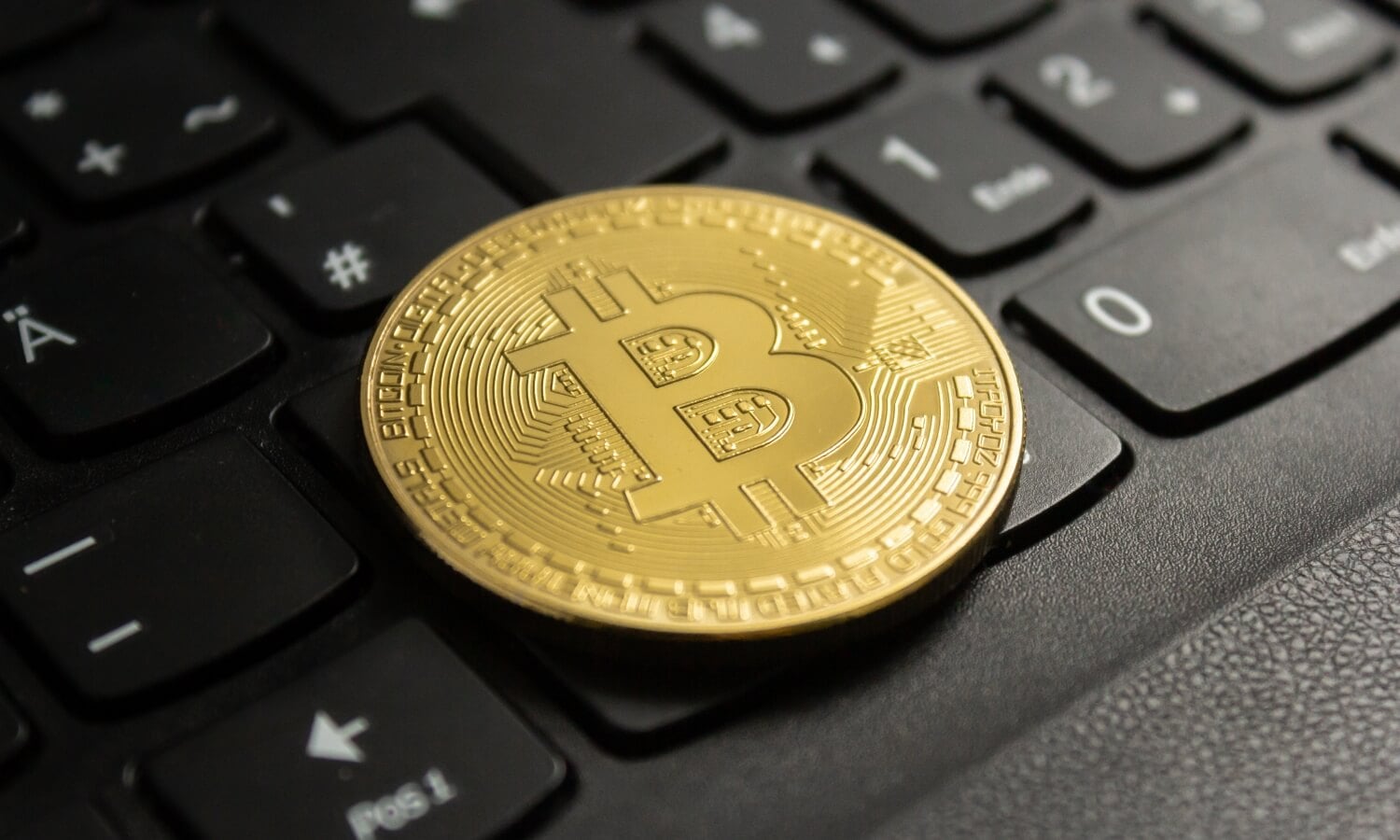
While selling BTC is not alarming in itself, it seems to go against Executive Chairman Micheal Saylor’s public image as a permanent buyer of BTC. So why did Strategy have to sell?
The ongoing BTC bear market (BTC is down about 52% from its October 2025 high to its low in June of 2026) led the price of Strategy shares to fall below the value of its underlying BTC holdings. This made it difficult to raise fresh capital to meet their U.S. dollar obligations such as dividend payments. Simply put, they had to sell BTC to raise cash to meet their dividend obligations.
This event is a reminder that while buying Strategy shares may seem like a good alternative to buying actual BTC or BTC exchange traded funds (ETFs), it carries more complex risks than some investors may be aware of—dividend obligations, management decisions, and financial leverage. It’s a reminder that for most individual investors, the simplest, easiest, and least stressful way to gain exposure to BTC is probably spot BTC spot ETFs.
If you want to explore BTC spot ETFs in Canada, here’s a list in no particular order:
Is quantum computing coming for your BTC?
It’s not everyday that competing financial institutions come together to fund something collectively. So when that does happen, we better take note. As reported by Coindesk, key institutions including Blackrock, Fidelity Digital Assets, Coinbase, Micheal Saylor’s Strategy, and Cathie Wood’s Ark Invest have formed a consortium “pledging a combined $15 million over three years to support Bitcoin’s security research and open-source development.” What’s all this about?
If you’re invested in BTC, you’ve probably come across some content about how quantum computing poses a threat to the security of the bitcoin blockchain.
The best online brokers, ranked and compared
Without getting into the technicalities, the fear is that in time (precisely when is anybody’s guess) with the progress of quantum computing, BTC’s security could be breached—allowing bad actors to compromise the sanctity of transactions registered on the blockchain. If this happens, it would be catastrophic for BTC investors because much of its lure as an investment asset comes from its (so far) fool proof technology—its ability to use blockchain to ensure the immutability of transactions.
A real threat to the bitcoin blockchain from quantum computing would almost certainly cause a crash in prices and a loss of investor confidence. How close are we to this actually happening? Nobody knows for sure. However, it’s serious enough for large institutions with a stake in the preservation of the bitcoin ecosystem to come together to do something about it—even only out of an abundance of caution.

X
Is Coinbase challenging Wealthsimple in Canada?
In MoneySense’s ranking of the best crypto platforms and apps, Coinbase was right up there with gold in the category of “Best overall crypto platform.” It’s no surprise then that Coinbase’s footprint in Canada continues to expand. Here are the top platforms based on that article:
Until now, Coinbase has remained purely a crypto exchange. This may change in the future. As reported by BNN Bloomberg, Coinbase Canada’s recently-appointed CEO Eric Richmond has stated that Coinbase would like to become an “Everything exchange,” offering investors other financial products apart from crypto.
sponsored
Coinbase

Account minimum: $1
Trading fees: 0% – 2% per transaction. Varies by transaction amount and type (Simple, Advanced)
Welcome offer: None at this time
What could these include? We’re not sure and only time will tell, but a clue may lie in the suite of products that Coinbase’s U.S. customers currently have access to, including these: stocks and ETFs, crypto derivatives, and prediction markets.
If Coinbase does go down this road in Canada, it will compete with a household name in Canadian financial services: Wealthsimple. As of now, Wealthsimple is the obvious choice for Canadian investors in search of a one-stop-shop for their investment needs.
Crypto price swings are common
Cryptocurrencies including BTC, ETH, XRP, SOL, BNB, and others are speculative and highly volatile assets subject to significant price movements. Even stablecoins, which are seemingly “safe,” may be risky if not adequately backed by real-world assets.
Investing in bitcoin and other crypto coins carries significant market, technological, and regulatory risks. Invest in crypto only if it aligns with your broader investment goals, time horizon, and risk profile, and always stay vigilant about crypto scams.
Get free MoneySense financial tips, news & advice in your inbox.
Read more about crypto: