No Result
View All Result
  • Login
Thursday, August 6, 2026
theadvisertimes.com
  • Home
  • Business
  • Financial Planning
  • Personal Finance
  • Investing
  • Money
  • Economy
  • Markets
  • Stocks
  • Trading
  • Home
  • Business
  • Financial Planning
  • Personal Finance
  • Investing
  • Money
  • Economy
  • Markets
  • Stocks
  • Trading
No Result
View All Result
theadvisertimes.com
No Result
View All Result
Home Startups

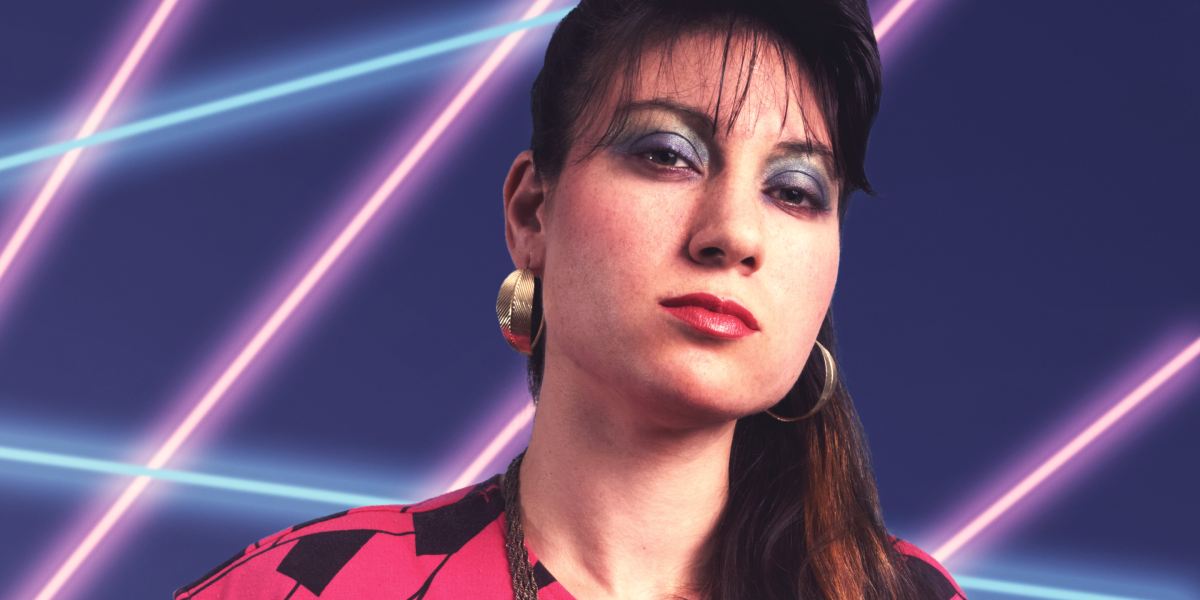
Gen Z is retiring “Karen”—and the replacement name is starting fights

by theadvisertimes.com
6 months ago
in Startups
Reading Time: 4 mins read
A A
0
Gen Z is retiring “Karen”—and the replacement name is starting fights
Share on FacebookShare on TwitterShare on LInkedIn


Add Silicon Canals to your Google News feed.

“Karen” had a long run as internet shorthand for entitled, manager-seeking behavior. But a new name is emerging from TikTok’s churn: “Jessica.”

Over the past several weeks, creators, commenters, and then news outlets have converged on the idea that Gen Z has crowned “Jessica” as the millennial successor to “Karen.” The claim is viral, the pushback is loud, and the paper trail leads back to a specific wave of TikTok videos from mid-2025 that solidified into a meme.

How we got from “Karen” to “Jessica”

The spark wasn’t a study or a newsroom brainstorm. It was a comment thread. In July 2025, TikTok creators began asking a simple question: if “Karen” was the boomer/Gen X label, what’s the millennial equivalent?

As users volleyed names—“Ashley,” “Tiffany,” “Brittany”—one line kept resurfacing: “Jessica, and I just know she’s a nurse.” That quip, repeated and stitched across clips, nudged “Jessica” into pole position and turned a guessing game into a consensus.

If you want the closest thing to a root-source map, The Daily Dot’s compilation rounds up embedded TikToks from creators who accelerated the shift, including polls that invited followers to pick a “millennial Karen” and stitches that repeated the now-familiar “nurse” punch line. Their coverage makes clear this wasn’t a top-down declaration; it’s a consensus that congealed in comments and stitches before journalists summarized it.

Why “Jessica” felt inevitable

There’s a demographic logic to how these labels rotate. “Karen” stuck partly because it was a common name among women who were middle-aged when the meme peaked; shorthand tends to align with the cohort in the cultural crosshairs. In the U.S. and across much of the English-speaking world, “Jessica” dominated baby-name charts in the late 1980s and 1990s—prime millennial birth years—so lots of millennials share the name and see themselves in the joke (whether they like it or not).

Media explainers have leaned on that framing, noting that when a generation draws more scrutiny—or just more camera time—their most saturated names become convenient containers for cultural frustration.

A small data project adds statistical color to the vibe. Naming-analytics outfit Naymt looked across more than a century of U.S. baby-name data and argued that “Jessica” is perfectly positioned for a “meme-driven collapse”: a once-ubiquitous millennial name already far down the popularity charts and thus vulnerable to a sudden cultural chill.

It isn’t peer-reviewed research, but it quantifies the pattern meme-watchers have described.

“Jessica” meets the backlash

As soon as “Jessica” started trending as the new shorthand, the counter-narratives arrived. Some Jessicas tried on gallows humor; others posted true-and-annoyed reactions; still others argued the entire naming-as-insult practice is lazy, sexist, or just passé.

Because millennials are deeply online and many of them are named Jessica, the pushback has its own gravitational pull. That friction—between a neat label and the people asked to wear it—has been integral to the meme’s second life, keeping the topic in feeds long after the initial “aha.” The Daily Dot’s roundup captures that pendulum swing in a single scroll, from celebratory skits to “hey, leave my name out of it” clapbacks.

What’s actually new here (and what isn’t)

First, the “root source” is grassroots. There’s no academic declaration to cite; the earliest identifiable content is a tangle of TikTok prompts, polls, and stitches from mid-2025 that converged on “Jessica.” That bottom-up origin explains both the speed and the sloppiness of the meme: consensus built in the comments long before journalists summarized it.

Second, the generational baton-pass tracks with naming data. Even if you’re skeptical of meme-driven causality, the demographics make “Jessica” an obvious candidate. Names peak with a generation; later, when that generation draws more scrutiny (or just more camera time), the name becomes a convenient label for cultural frustration. Naymt’s analysis nudges that intuition into numbers, showing how far “Jessica” has already fallen and why a viral label could accelerate the drop.

Third, the ethics haven’t gotten easier. “Karen” discourse already raised questions about flattening individuals into names. “Jessica” repeats the pattern with a younger cohort. The backlash clips—many from Jessicas themselves—illustrate how quickly a joke can feel like a scarlet letter when it’s stapled to your actual identity. That’s not an argument to ban jokes; it’s a reminder that scale changes stakes. The bigger the meme, the more likely it is to splash onto people who didn’t sign up to star in it.

The state of play

At the moment, “Jessica” is doing the cultural work “Karen” did five years ago: a one-word nudge that imputes entitlement, complaint-first instincts, and a particular millennial tone.

The usage is widespread enough to register in news coverage, yet fluid enough that alternates—“Ashley” is the usual runner-up—still surface in debates. The label has enough lift to anchor sketches and stitches, enough controversy to generate replies, and enough demographic resonance to feel “right” to anyone who knew five Jessicas in middle school and three at their last office. 

What readers should watch for

Creator adoption. When new formats land on the trend page, do they default to “Jessica,” or is there still a battle among alternates? The more new creators—especially outside the English-speaking world—reach for “Jessica,” the more it cements as cultural shorthand.

Name-data drift. If Naymt’s hypothesis is right, we’ll see the popularity of “Jessica” drift downward faster than its long-term trend would predict as parents quietly flinch from a meme-coated name.

That doesn’t prove the meme caused the decline—names move in cycles—but it would show how online discourse can amplify existing arcs.

Bottom line

Yes, the internet is “retiring” Karen—at least in the feeds where this conversation lives—and “Jessica” is the current replacement.

The clearest documentary trail runs through mid-2025 TikTok currents: creator polls inviting viewers to pick the millennial “Karen,” and stitches codifying “Jessica” with the now-quoted “I just know she’s a nurse” punch line.




Source link

Tags: fightsGenKarenandreplacementRetiringstarting
ShareTweetShare
Previous Post

10 Household Charges Older Homeowners Are Complaining About

Next Post

Gen Z’s latest revolt over Jeffrey Epstein: pointing out a connection to the company that takes class photos

Related Posts

Why Transparency Wins Long-Term in Business: The Competitive Advantage Most Companies Ignore

Why Transparency Wins Long-Term in Business: The Competitive Advantage Most Companies Ignore

by theadvisertimes.com
August 5, 2026
0

When people talk about business growth, the conversation usually centers around the visible levers that naturally attract attention, such as...

The Dunning-Kruger effect isn’t what everyone thinks it is: the original 1999 study found bottom-quartile performers overestimated their standing by about 50 percentile points, not that confident people are stupid

The Dunning-Kruger effect isn’t what everyone thinks it is: the original 1999 study found bottom-quartile performers overestimated their standing by about 50 percentile points, not that confident people are stupid

by theadvisertimes.com
August 5, 2026
0

The Dunning-Kruger effect may be the most misused finding in pop psychology, and the way people misuse it often says...

The AlleyWatch July 2026 New York Venture Capital Funding Report – AlleyWatch

The AlleyWatch July 2026 New York Venture Capital Funding Report – AlleyWatch

by theadvisertimes.com
August 4, 2026
0

New York City startups raised $1.81B across 53 deals in July 2026, a purposeful step down from June’s exceptional $3.90B...

The men who consume the most information — podcasts queued, newsletters unread, tabs left open for weeks — are often the ones who have quietly stopped asking whether any of it is changing how they think

The men who consume the most information — podcasts queued, newsletters unread, tabs left open for weeks — are often the ones who have quietly stopped asking whether any of it is changing how they think

by theadvisertimes.com
August 4, 2026
0

I know a guy with eleven podcast episodes queued, forty-something newsletters sitting unread, and a browser with so many tabs...

The Value Creation Engine: How Growth Equity Firms Turn Strategy Into Results

The Value Creation Engine: How Growth Equity Firms Turn Strategy Into Results

by theadvisertimes.com
August 3, 2026
0

You know the pattern. The value creation plan is sharp, the management team agrees, and the initiatives get owners, milestones,...

The idea that Gen Z is lazy misreads the data: full-time workers aged 20 to 24 averaged 40.5 hours a week, and visible enthusiasm is not the same as effort

The idea that Gen Z is lazy misreads the data: full-time workers aged 20 to 24 averaged 40.5 hours a week, and visible enthusiasm is not the same as effort

by theadvisertimes.com
August 3, 2026
0

The 74% figure is real, but it does not mean what the lazy-Gen-Z argument needs it to mean. ResumeBuilder reported...

Next Post
Gen Z’s latest revolt over Jeffrey Epstein: pointing out a connection to the company that takes class photos

Gen Z's latest revolt over Jeffrey Epstein: pointing out a connection to the company that takes class photos

7 States Seeing the Sharpest Utility Spikes in 2026

7 States Seeing the Sharpest Utility Spikes in 2026

  • Trending
  • Comments
  • Latest
SEC pushes private market access, but retail is already in

SEC pushes private market access, but retail is already in

July 16, 2026
How I Maximize My Sapphire Reserve Dining Credit

How I Maximize My Sapphire Reserve Dining Credit

July 10, 2026
The Weekly Notable Startup Funding Report: 6/22/26 – AlleyWatch

The Weekly Notable Startup Funding Report: 6/22/26 – AlleyWatch

June 21, 2026
The 10 Largest NYC Tech Startup Funding Rounds of June 2026 – AlleyWatch

The 10 Largest NYC Tech Startup Funding Rounds of June 2026 – AlleyWatch

July 6, 2026
The Weekly Notable Startup Funding Report: 7/20/26 – AlleyWatch

The Weekly Notable Startup Funding Report: 7/20/26 – AlleyWatch

July 20, 2026
The Hidden Cost of Chaos: Challenges with Spreadsheet-Based Channel Management in 2026

The Hidden Cost of Chaos: Challenges with Spreadsheet-Based Channel Management in 2026

May 6, 2026
Sandisk bulls are probably eyeing this number on earnings day: AlphaSpace stat of the evening

Sandisk bulls are probably eyeing this number on earnings day: AlphaSpace stat of the evening

0
HHS Decertifies Kentucky Organ Donation Group Over Safety Concerns

HHS Decertifies Kentucky Organ Donation Group Over Safety Concerns

0
Agnico Eagle Mines – AEM: Es tut sich was bei Gold & Silber!

Agnico Eagle Mines – AEM: Es tut sich was bei Gold & Silber!

0
THE WATER WARS HAVE BEGUN

THE WATER WARS HAVE BEGUN

0
Channel Rebate Automation: The 2026 Guide to Scaling Incentives

Channel Rebate Automation: The 2026 Guide to Scaling Incentives

0
GIC subsidiary and promoter Sunu Mathew lead LEAP India’s pre-IPO placement round

GIC subsidiary and promoter Sunu Mathew lead LEAP India’s pre-IPO placement round

0
Utah Judge Rejects Kalshi’s Federal Shield From Gambling Laws

Utah Judge Rejects Kalshi’s Federal Shield From Gambling Laws

August 6, 2026
GIC subsidiary and promoter Sunu Mathew lead LEAP India’s pre-IPO placement round

GIC subsidiary and promoter Sunu Mathew lead LEAP India’s pre-IPO placement round

August 6, 2026
BBSI narrows 2026 outlook to 3%-4% gross billings growth as it targets 2.7%-2.75% gross margin (NASDAQ:BBSI)

BBSI narrows 2026 outlook to 3%-4% gross billings growth as it targets 2.7%-2.75% gross margin (NASDAQ:BBSI)

August 6, 2026
Agnico Eagle Mines – AEM: Es tut sich was bei Gold & Silber!

Agnico Eagle Mines – AEM: Es tut sich was bei Gold & Silber!

August 6, 2026
HHS Decertifies Kentucky Organ Donation Group Over Safety Concerns

HHS Decertifies Kentucky Organ Donation Group Over Safety Concerns

August 6, 2026
THE WATER WARS HAVE BEGUN

THE WATER WARS HAVE BEGUN

August 6, 2026
theadvisertimes.com

Get the latest news and follow the coverage of Business & Financial News, Stock Market Updates, Analysis, and more from the trusted sources.

CATEGORIES

  • Business
  • Cryptocurrency
  • Economy
  • Financial Planning
  • Investing
  • Market Analysis
  • Markets
  • Money
  • Personal Finance
  • Startups
  • Stock Market
  • Trading

LATEST UPDATES

  • Utah Judge Rejects Kalshi’s Federal Shield From Gambling Laws
  • GIC subsidiary and promoter Sunu Mathew lead LEAP India’s pre-IPO placement round
  • BBSI narrows 2026 outlook to 3%-4% gross billings growth as it targets 2.7%-2.75% gross margin (NASDAQ:BBSI)
  • Our Great Privacy Policy
  • Terms of Use, Legal Notices & Disclosures
  • About Us
  • Contact Us

© Copyright 2024 All Rights Reserved
See articles for original source and related links to external sites.

Welcome Back!

Login to your account below

Forgotten Password?

Retrieve your password

Please enter your username or email address to reset your password.

Log In
No Result
View All Result
  • Home
  • Business
  • Financial Planning
  • Personal Finance
  • Investing
  • Money
  • Economy
  • Markets
  • Stocks
  • Trading

© Copyright 2024 All Rights Reserved
See articles for original source and related links to external sites.