No Result
View All Result
  • Login
Sunday, August 2, 2026
theadvisertimes.com
  • Home
  • Business
  • Financial Planning
  • Personal Finance
  • Investing
  • Money
  • Economy
  • Markets
  • Stocks
  • Trading
  • Home
  • Business
  • Financial Planning
  • Personal Finance
  • Investing
  • Money
  • Economy
  • Markets
  • Stocks
  • Trading
No Result
View All Result
theadvisertimes.com
No Result
View All Result
Home Startups

Taking responsibility runs against a built-in bias: we tend to claim our successes and blame circumstances for our failures, and the real skill is owning the part we actually controlled, neither none of it nor all of it

by theadvisertimes.com
6 hours ago
in Startups
Reading Time: 4 mins read
A A
0
Taking responsibility runs against a built-in bias: we tend to claim our successes and blame circumstances for our failures, and the real skill is owning the part we actually controlled, neither none of it nor all of it
Share on FacebookShare on TwitterShare on LInkedIn


Taking responsibility is one of those virtues we treat as simple. You either own your part or you make excuses, and grown-ups own it. The word carries a faint moral scolding, as though anyone failing to do it just lacks the character.

The psychology is more interesting than that, and more forgiving. Taking responsibility is hard because it runs directly against a bias built into how we explain our own lives, and the healthy version is narrower than the heroic one we imagine.

I am a writer with an interest in this material, not a psychologist, so take this as a careful reading rather than a set of instructions.

The bias we are up against

People are not neutral about who gets the credit. We tend to explain our successes by pointing inward, to our skill and effort, and our failures by pointing outward, to bad luck, bad timing or other people. Psychologists call this the self-serving bias, and it was set out by Dale Miller and Michael Ross in a 1975 paper in the journal Psychological Bulletin.

It is not simple dishonesty. Part of it protects our self-esteem, and part of it is ordinary reasoning: when you have planned and worked for something, reading its success as the result of your effort is not unreasonable. But the same habit quietly rewrites failure as something that happened to you rather than something you did.

That is why owning a mistake feels like swimming upstream. You are not just being humble. You are overriding a default setting that would rather file the failure under bad luck.

Why owning it tends to pay

There is a long-studied trait that sits close to this. The psychologist Julian Rotter described what he called locus of control, the degree to which people believe their own actions shape what happens to them, as opposed to luck, fate or other people.

People with a more internal locus, who tend to take responsibility for their outcomes, generally show stronger motivation, better coping and better outcomes across a range of settings. Believing you have some hand on the wheel makes you more likely to actually reach for it.

The usual caution applies, because this is correlational and the arrow can point both ways. Success can teach people that their actions matter, as much as the belief drives the success. But the association is consistent enough to take seriously: treating outcomes as partly yours is linked to agency, not just to guilt.

The trap on the other side

Here is where the simple virtue gets complicated, because it is possible to take too much responsibility, and that is its own error rather than an extra helping of the good one.

Owning things you did not control, the market that turned, the decision someone else made, the luck that ran against you, is not accountability. It is just misattribution pointed the other way, and it tends to produce paralysis rather than action. The useful version is bounded: own the part you actually controlled, which is almost never nothing and almost never everything.

The tone you take with yourself matters too. I have written before that self-compassion after failure, not self-criticism, is what predicts whether someone tries again. Real responsibility looks less like flogging yourself and more like a clear-eyed account of what you would do differently. Being brutal with yourself feels like accountability, but it often just ends the effort.

It helps to separate responsibility from blame, because we tend to use the words as if they were one. Blame looks backward and asks whose fault it was. Responsibility looks forward and asks what you will now do about it. The first is mostly about assigning a cost, and it can be paid by anyone, including yourself, without anything changing. The second is the only one that alters what happens next. Much of what passes for taking responsibility is really just distributing blame, sometimes onto ourselves, and then feeling we have done the work.

The version that shows up at work

The self-serving bias does not stay personal. It scales up to teams and companies, which is where I spend most of my time paying attention.

When a project fails, the collective version of the bias goes to work immediately: it was the timing, the budget, the other department, the conditions. When it succeeds, ownership is suddenly easy to find. This is one reason the engineering world invented the blameless post-mortem, a review designed to surface what actually went wrong without triggering everyone’s reflex to defend themselves. Remove the threat to self-esteem and people can finally see the cause.

Groups add a second problem on top. The more people involved, the easier it is for responsibility to diffuse until no one quite holds it, which is how obvious failures end up with a hundred contributors and no owner.

What taking responsibility actually is

Put together, it is a stranger skill than the moral version suggests. It is not a single act of character that strong people simply perform. It is the ongoing work of resisting a bias in one direction, claiming your wins a little less automatically and your losses a little more honestly, without toppling into the opposite mistake of owning everything.

Own the part that was yours. Decline the part that was not. Be exact about which is which, and kind enough about it to still act.

The people who manage this do not usually look heroic while they do it. They look, mostly, like people who have stopped finding the failure so surprising, and started finding it useful.




Source link

Tags: biasblameBuiltIncircumstancesclaimControlledFailuresOwningpartRealResponsibilityrunsSkillSuccessesTend
ShareTweetShare
Previous Post

FPIs reverse 4-month selling trend with Rs 20,200 cr inflow in July

Next Post

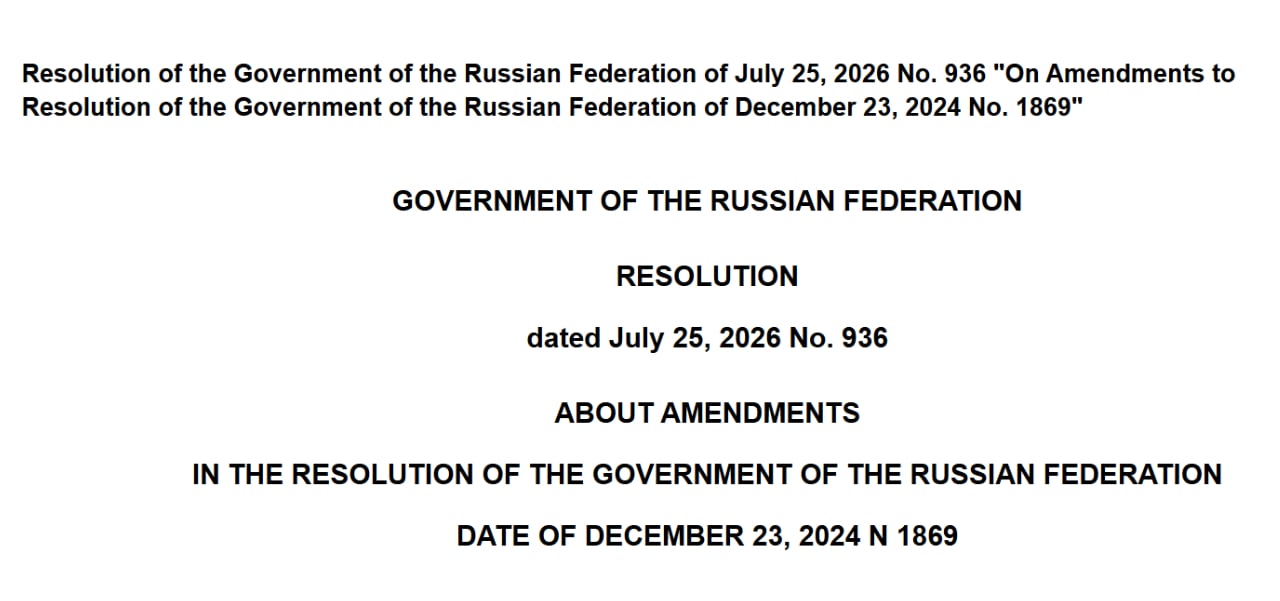
Moscow Bitcoin Mining Ban Hits Data Centers Until 2032

Related Posts

A 2022 study tracking university students’ daily experiences for a week found introversion predicted neither preference for nor enjoyment of solitude, while a separate trait, dispositional autonomy, consistently predicted who found time alone enjoyable

A 2022 study tracking university students’ daily experiences for a week found introversion predicted neither preference for nor enjoyment of solitude, while a separate trait, dispositional autonomy, consistently predicted who found time alone enjoyable

by theadvisertimes.com
August 1, 2026
0

The assumption that introverts are the ones who genuinely enjoy time alone, while everyone else merely tolerates it, is common...

The 5am morning routine gets sold as the habit that separates successful people from everyone else, but a genetic study of nearly 700,000 people suggests whether you are a morning person is largely written into your biology

The 5am morning routine gets sold as the habit that separates successful people from everyone else, but a genetic study of nearly 700,000 people suggests whether you are a morning person is largely written into your biology

by theadvisertimes.com
August 1, 2026
0

There is a genre of advice that never seems to go out of fashion: the morning routine of a successful...

A study asked pairs of strangers to skip small talk and answer deeply personal questions instead, and the conversations they had most dreaded turned out to be the ones they least wanted to end.

A study asked pairs of strangers to skip small talk and answer deeply personal questions instead, and the conversations they had most dreaded turned out to be the ones they least wanted to end.

by theadvisertimes.com
July 31, 2026
0

There is a particular moment in a conversation with someone new when you can feel a more interesting question arrive...

The 10 Most Active Investors in NYC Startups in Q2 2026 – AlleyWatch

The 10 Most Active Investors in NYC Startups in Q2 2026 – AlleyWatch

by theadvisertimes.com
July 31, 2026
0

New York City’s venture market produced $8.88 billion across 233 deals in Q2 2026 — the strongest second quarter in...

Psychology says the reason competent, dependable people often feel invisible in their own families isn’t modesty, it’s that they became the person everyone relies on before anyone thought to ask what they needed

Psychology says the reason competent, dependable people often feel invisible in their own families isn’t modesty, it’s that they became the person everyone relies on before anyone thought to ask what they needed

by theadvisertimes.com
July 30, 2026
0

In many families, one person knows which bill is due, who will remember the birthday, what the doctor said, and...

How to Scale Product Development Without Growing Engineering Costs in 2026

How to Scale Product Development Without Growing Engineering Costs in 2026

by theadvisertimes.com
July 29, 2026
0

Here’s How to Ship More and Spend Less The roadmap keeps growing. The backlog keeps growing. And the only tool...

Next Post
Moscow Bitcoin Mining Ban Hits Data Centers Until 2032

Moscow Bitcoin Mining Ban Hits Data Centers Until 2032

SpaceX’s IPO is fueling a new wave of space startups and opening markets beyond Earth

SpaceX’s IPO is fueling a new wave of space startups and opening markets beyond Earth

  • Trending
  • Comments
  • Latest
SEC pushes private market access, but retail is already in

SEC pushes private market access, but retail is already in

July 16, 2026
Fourth of July 2026 Freebies and Deals

Fourth of July 2026 Freebies and Deals

July 3, 2026
How I Maximize My Sapphire Reserve Dining Credit

How I Maximize My Sapphire Reserve Dining Credit

July 10, 2026
The Weekly Notable Startup Funding Report: 6/22/26 – AlleyWatch

The Weekly Notable Startup Funding Report: 6/22/26 – AlleyWatch

June 21, 2026
The 10 Largest NYC Tech Startup Funding Rounds of June 2026 – AlleyWatch

The 10 Largest NYC Tech Startup Funding Rounds of June 2026 – AlleyWatch

July 6, 2026
The 22 Largest US Funding Rounds of May 2026 – AlleyWatch

The 22 Largest US Funding Rounds of May 2026 – AlleyWatch

June 30, 2026
NEAR Adds Staking-Based Payments For AI Compute Credits

NEAR Adds Staking-Based Payments For AI Compute Credits

0
Eldorado Gold Slides After Q2 2026 Earnings Miss

Eldorado Gold Slides After Q2 2026 Earnings Miss

0
SpaceX’s IPO is fueling a new wave of space startups and opening markets beyond Earth

SpaceX’s IPO is fueling a new wave of space startups and opening markets beyond Earth

0
Taking responsibility runs against a built-in bias: we tend to claim our successes and blame circumstances for our failures, and the real skill is owning the part we actually controlled, neither none of it nor all of it

Taking responsibility runs against a built-in bias: we tend to claim our successes and blame circumstances for our failures, and the real skill is owning the part we actually controlled, neither none of it nor all of it

0
Home-Based Prayer and Bible Study Meetings Under Fire

Home-Based Prayer and Bible Study Meetings Under Fire

0
Bessent’s notepad just exposed the US bailing out Japan’s broken yen

Bessent’s notepad just exposed the US bailing out Japan’s broken yen

0
Home-Based Prayer and Bible Study Meetings Under Fire

Home-Based Prayer and Bible Study Meetings Under Fire

August 2, 2026
SpaceX’s IPO is fueling a new wave of space startups and opening markets beyond Earth

SpaceX’s IPO is fueling a new wave of space startups and opening markets beyond Earth

August 2, 2026
Moscow Bitcoin Mining Ban Hits Data Centers Until 2032

Moscow Bitcoin Mining Ban Hits Data Centers Until 2032

August 2, 2026
Taking responsibility runs against a built-in bias: we tend to claim our successes and blame circumstances for our failures, and the real skill is owning the part we actually controlled, neither none of it nor all of it

Taking responsibility runs against a built-in bias: we tend to claim our successes and blame circumstances for our failures, and the real skill is owning the part we actually controlled, neither none of it nor all of it

August 2, 2026
FPIs reverse 4-month selling trend with Rs 20,200 cr inflow in July

FPIs reverse 4-month selling trend with Rs 20,200 cr inflow in July

August 2, 2026
SpaceAI could be Southeast Asia’s edge against El Niño—if governments actually use it

SpaceAI could be Southeast Asia’s edge against El Niño—if governments actually use it

August 2, 2026
theadvisertimes.com

Get the latest news and follow the coverage of Business & Financial News, Stock Market Updates, Analysis, and more from the trusted sources.

CATEGORIES

  • Business
  • Cryptocurrency
  • Economy
  • Financial Planning
  • Investing
  • Market Analysis
  • Markets
  • Money
  • Personal Finance
  • Startups
  • Stock Market
  • Trading

LATEST UPDATES

  • Home-Based Prayer and Bible Study Meetings Under Fire
  • SpaceX’s IPO is fueling a new wave of space startups and opening markets beyond Earth
  • Moscow Bitcoin Mining Ban Hits Data Centers Until 2032
  • Our Great Privacy Policy
  • Terms of Use, Legal Notices & Disclosures
  • About Us
  • Contact Us

© Copyright 2024 All Rights Reserved
See articles for original source and related links to external sites.

Welcome Back!

Login to your account below

Forgotten Password?

Retrieve your password

Please enter your username or email address to reset your password.

Log In
No Result
View All Result
  • Home
  • Business
  • Financial Planning
  • Personal Finance
  • Investing
  • Money
  • Economy
  • Markets
  • Stocks
  • Trading

© Copyright 2024 All Rights Reserved
See articles for original source and related links to external sites.