No Result
View All Result
  • Login
Wednesday, June 24, 2026
theadvisertimes.com
  • Home
  • Business
  • Financial Planning
  • Personal Finance
  • Investing
  • Money
  • Economy
  • Markets
  • Stocks
  • Trading
  • Home
  • Business
  • Financial Planning
  • Personal Finance
  • Investing
  • Money
  • Economy
  • Markets
  • Stocks
  • Trading
No Result
View All Result
theadvisertimes.com
No Result
View All Result
Home Startups

8 things people who always have money do differently that people living paycheck-to-paycheck miss

by theadvisertimes.com
5 months ago
in Startups
Reading Time: 5 mins read
A A
0
8 things people who always have money do differently that people living paycheck-to-paycheck miss
Share on FacebookShare on TwitterShare on LInkedIn


Last year, I ran into an old college friend at a coffee shop. Same degree, same starting salary out of school. But while I was mentally calculating if I could afford both the latte and the sandwich, she casually mentioned booking a spontaneous trip to Japan. The difference? It wasn’t luck or inheritance. It was the daily money habits she’d developed that I’d completely overlooked.

After that encounter, I became obsessed with understanding what separates those who always seem to have financial breathing room from those of us counting down to the next paycheck. What I discovered wasn’t about earning more or spending less (though those help). It was about fundamental behaviors that create entirely different financial realities.

Here are eight things people who always have money do differently that most of us miss.

1. They automate before they can touch it

Ever notice how you always find money for Netflix, but savings feels impossible? That’s because Netflix takes it before you see it.

Financially secure people apply this same principle to everything important. They automate savings, investments, and bills the day after their paycheck hits. The money moves before they even know it’s there.

I learned this the hard way during my four months of freelancing after getting laid off. When income was irregular, I thought I couldn’t automate anything. But a financial advisor friend told me something that stuck: “Even $25 automated weekly beats $500 you plan to save but never do.”

She was right. The psychology is simple but powerful. We don’t miss what we never see. People living paycheck to paycheck often try to save what’s “left over,” but there’s never anything left. Those with money flip the script entirely.

2. They think in opportunity cost, not just price

Here’s what changed my financial life: understanding that every dollar has multiple potential futures.

People with money don’t just ask “Can I afford this?” They ask “What else could this money become?” That $200 impulse purchase isn’t just $200. It’s the $300 it could be in a year if invested. It’s the emergency fund padding. It’s the freedom to take an unpaid opportunity that could change your career.

A former colleague once turned down expensive coffee every morning, not because she couldn’t afford it, but because she saw it as $1,800 a year that could go toward her side business. Two years later, that business let her quit her corporate job.

Meanwhile, those living paycheck to paycheck often think in immediate trade-offs. Can I afford this AND pay rent? But that’s survival thinking, not growth thinking.

3. They treat their credit score like a vital sign

Want to know something wild? The difference between a 650 and 750 credit score can cost you tens of thousands over your lifetime.

People who always have money check their credit score regularly, dispute errors immediately, and understand exactly what impacts it. They know that good credit isn’t just about getting approved for things. It’s about the interest rates that determine how much life actually costs you.

I ignored my credit score through my entire twenties. “I don’t need loans,” I thought. Then I tried to refinance my student loans and discovered my mediocre credit meant thousands more in interest. People with financial stability understand that credit is a tool, and like any tool, it needs maintenance.

4. They negotiate everything (yes, everything)

Remember when I mentioned watching my father get passed over for promotions? One thing I noticed about his colleagues who advanced: they asked. They negotiated. They didn’t assume their value would be recognized automatically.

The same applies to money everywhere. People with financial cushion negotiate their salary, their cable bill, their medical bills, their credit card interest rates. They know that companies expect negotiation and build it into their pricing.

A study by Salary.com found that only 37% of people always negotiate salary, but those who do increase their offers by an average of $5,000. Over a career, that compounds to hundreds of thousands.

Those living paycheck to paycheck often accept the first number thrown at them, whether from an employer or a service provider. They see negotiation as confrontational rather than normal business practice.

5. They invest in their earning potential first

Here’s what financially stable people understand: the best investment isn’t stocks or real estate. It’s whatever increases your ability to earn.

This might be a certification, a course, a coach, or even therapy to deal with imposter syndrome. They see these expenses not as luxuries but as investments with tangible returns.

During my panic attack at twenty-seven, I finally started therapy. It felt indulgent spending that money when I was stressed about finances. But addressing my anxiety made me a better writer, a clearer thinker, and ultimately more valuable professionally. The ROI on those sessions exceeded any index fund.

People scraping by often see skill development as something to do “when they have extra money.” But that’s backwards. The skills create the extra money.

6. They have multiple income streams before they need them

The biggest shock when I got laid off wasn’t the loss of income. It was realizing I had zero backup plans.

People with consistent money rarely rely on a single source. They have side projects, investments, freelance gigs, or passive income streams. Not because they need them today, but because depending on one income source is like crossing a tightrope without a net.

These aren’t always huge ventures. It might be selling items online, freelance consulting, or dividend stocks. The point is diversification. When one stream slows, others keep flowing.

7. They buy assets, rent liabilities

Wealthy people own appreciating assets and avoid owning depreciating ones. They’ll buy real estate but lease cars. They’ll invest in businesses but rent their jet skis.

The principle is simple: own things that go up in value, don’t own things that go down. But most of us do the opposite. We finance cars that lose value immediately while renting homes that build someone else’s equity.

This doesn’t mean never buying a car or always buying property. It means understanding what you’re actually purchasing: an asset or an expense.

8. They know their numbers cold

Ask someone with money their net worth, monthly burn rate, or investment returns, and they’ll tell you within 5%. Ask someone living paycheck to paycheck, and they might not even know their monthly expenses.

Financially stable people track everything. They know where money comes from, where it goes, and where it’s growing. They review statements, check for errors, and adjust regularly.

This isn’t about obsessing over every penny. It’s about awareness. You can’t improve what you don’t measure. People struggling financially often avoid looking at their numbers because it’s stressful. But not knowing doesn’t make the problems disappear; it just makes them harder to solve.

Final thoughts

The gap between financial stress and financial freedom isn’t always about income. It’s about habits, mindset, and the small decisions we make daily.

After studying these patterns, I’ve slowly incorporated them into my own life. Not all at once, but steadily. The friend from the coffee shop? She wasn’t born knowing these things. She learned them, just like we all can.

The real tragedy of living paycheck to paycheck isn’t just the stress. It’s that the cycle keeps us from developing the very habits that could break it. But recognition is the first step. Which of these eight things could you start tomorrow?




Source link

Tags: DifferentlyLivingMoneyPaychecktoPaycheckpeople
ShareTweetShare
Previous Post

7 Silent Ways Your Social Security Check is Being Drained in 2026 (Check Your Statement Now)

Next Post

Cybersecurity co Torq raises $140m at $1.2b valuation

Related Posts

How to Make Values Real Rather than Rhetoric

How to Make Values Real Rather than Rhetoric

by theadvisertimes.com
June 23, 2026
0

Many companies have a set of guiding principles or core values they claim to uphold. The language is often similar,...

A Detroit pension fund just sued Uber’s board for running a ‘serial compliance offender’ culture — and the math behind the lawsuit is what every gig-economy director should be reading tonight

A Detroit pension fund just sued Uber’s board for running a ‘serial compliance offender’ culture — and the math behind the lawsuit is what every gig-economy director should be reading tonight

by theadvisertimes.com
June 23, 2026
0

A Detroit pension fund has filed a derivative lawsuit against Uber’s board and CEO Dara Khosrowshahi, accusing the ride-hailing company...

We give people a few days and expect them back as themselves, when the science of loss says grief takes no days off at all, and the shame around admitting that is its own quiet cruelty

We give people a few days and expect them back as themselves, when the science of loss says grief takes no days off at all, and the shame around admitting that is its own quiet cruelty

by theadvisertimes.com
June 22, 2026
0

The average bereavement policy in Europe gives employees somewhere between three and five days for the death of an immediate...

Psychology suggests that people who fear AI are often not only afraid of the technology itself — they’re afraid of what it threatens to erase: the status, competence, identity, and sense of usefulness they spent years building.

Psychology suggests that people who fear AI are often not only afraid of the technology itself — they’re afraid of what it threatens to erase: the status, competence, identity, and sense of usefulness they spent years building.

by theadvisertimes.com
June 22, 2026
0

In late 2024, the Pew Research Center surveyed more than 5,000 employed Americans and found that 52 per cent were...

The Weekly Notable Startup Funding Report: 6/22/26 – AlleyWatch

The Weekly Notable Startup Funding Report: 6/22/26 – AlleyWatch

by theadvisertimes.com
June 21, 2026
0

The Weekly Notable Startup Funding Report takes us on a trip across various ecosystems in the US, highlighting some of...

McKinsey’s 2025 global AI survey: 88% of organizations now use AI in at least one function, up from 78% — but most are still stuck in pilot mode, and only a minority can point to any real impact on profit

McKinsey’s 2025 global AI survey: 88% of organizations now use AI in at least one function, up from 78% — but most are still stuck in pilot mode, and only a minority can point to any real impact on profit

by theadvisertimes.com
June 21, 2026
0

Two numbers from McKinsey’s 2025 survey sit awkwardly next to each other. The first is 88 percent, the share of...

Next Post
Cybersecurity co Torq raises 0m at .2b valuation

Cybersecurity co Torq raises $140m at $1.2b valuation

Elon Musk’s Platform Eyes Crypto and Stock Trading Integration

Elon Musk’s Platform Eyes Crypto and Stock Trading Integration

  • Trending
  • Comments
  • Latest
Should You Offer a Concession to Get Your Apartment Leased Faster?

Should You Offer a Concession to Get Your Apartment Leased Faster?

June 15, 2026
Understanding risk remains a major investor blind spot: TIAA Institute

Understanding risk remains a major investor blind spot: TIAA Institute

June 5, 2026
6 Hotels Where Chase’s Points Boost Yields 2.5x

6 Hotels Where Chase’s Points Boost Yields 2.5x

May 22, 2026
Anthropic’s confidential S-1 signals summer AI IPO race could heat up fast

Anthropic’s confidential S-1 signals summer AI IPO race could heat up fast

June 2, 2026
Memorial Day 2026: Take Advantage of Food Freebies, Deals

Memorial Day 2026: Take Advantage of Food Freebies, Deals

May 23, 2026
9 Best Cheap Cell Phone Plans That Will Save You Money

9 Best Cheap Cell Phone Plans That Will Save You Money

June 3, 2026
CARCHEX 2026 Review: A Mid-Range Extended Car Warranty

CARCHEX 2026 Review: A Mid-Range Extended Car Warranty

0
Student loan FAQ: Everything borrowers are asking about the overhaul

Student loan FAQ: Everything borrowers are asking about the overhaul

0
Dollars And Sense At FinOps X 2026: Is AI Value Management Bigger Than FinOps?

Dollars And Sense At FinOps X 2026: Is AI Value Management Bigger Than FinOps?

0
Changes to BNY Pershing’s fees are a sign of the times

Changes to BNY Pershing’s fees are a sign of the times

0
Factory job cuts in June neared financial crisis and Covid levels, S&P says

Factory job cuts in June neared financial crisis and Covid levels, S&P says

0
CFTC sues Kentucky over actions against prediction markets

CFTC sues Kentucky over actions against prediction markets

0
Clay Craft India shares to list today. Check GMP ahead of debut

Clay Craft India shares to list today. Check GMP ahead of debut

June 23, 2026
Germany’s Political Class Wants Your Children for War

Germany’s Political Class Wants Your Children for War

June 23, 2026
US Senate Plans To Release Crypto Tax Bill By Fall 2026 Amid CLARITY Act Push

US Senate Plans To Release Crypto Tax Bill By Fall 2026 Amid CLARITY Act Push

June 23, 2026
CARCHEX 2026 Review: A Mid-Range Extended Car Warranty

CARCHEX 2026 Review: A Mid-Range Extended Car Warranty

June 23, 2026
SNAP Work Rules Now Apply to Adults 55-64—Why More Than 1 Million Older Americans Could Lose Food Assistance

SNAP Work Rules Now Apply to Adults 55-64—Why More Than 1 Million Older Americans Could Lose Food Assistance

June 23, 2026
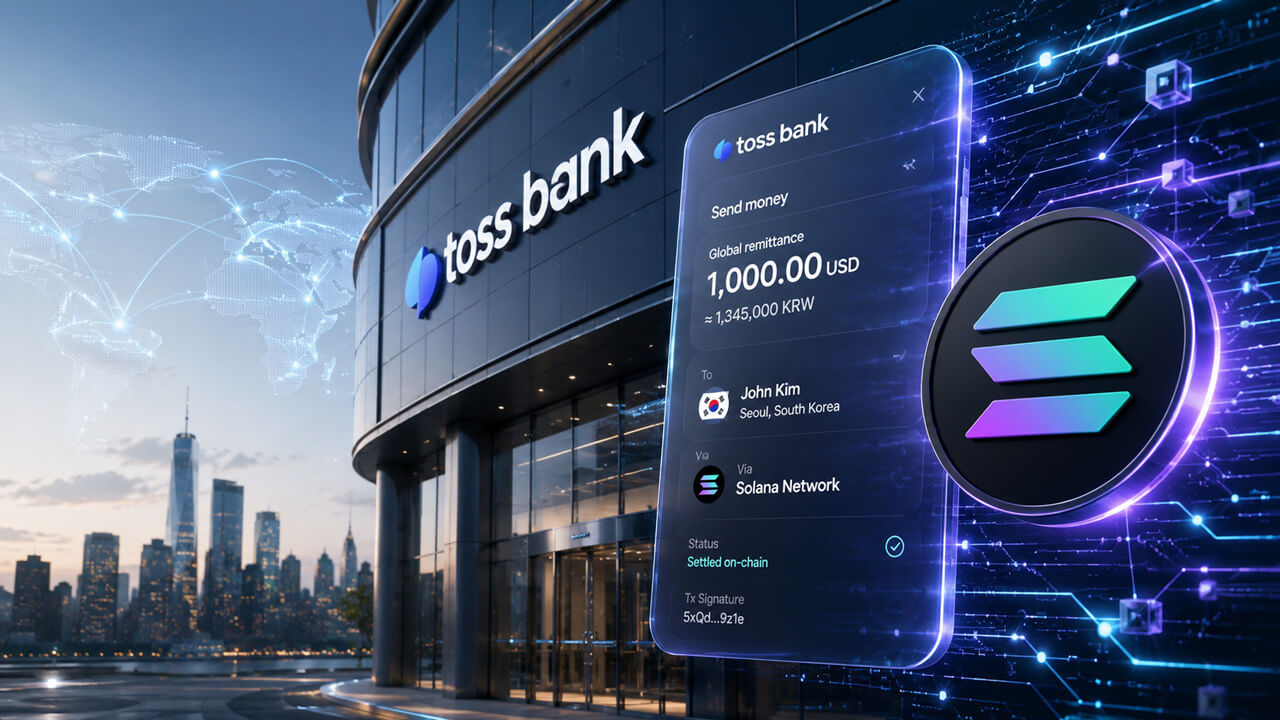
South Korean digital bank with 15M users turns to Solana stablecoins for overseas transfers

South Korean digital bank with 15M users turns to Solana stablecoins for overseas transfers

June 23, 2026
theadvisertimes.com

Get the latest news and follow the coverage of Business & Financial News, Stock Market Updates, Analysis, and more from the trusted sources.

CATEGORIES

  • Business
  • Cryptocurrency
  • Economy
  • Financial Planning
  • Investing
  • Market Analysis
  • Markets
  • Money
  • Personal Finance
  • Startups
  • Stock Market
  • Trading

LATEST UPDATES

  • Clay Craft India shares to list today. Check GMP ahead of debut
  • Germany’s Political Class Wants Your Children for War
  • US Senate Plans To Release Crypto Tax Bill By Fall 2026 Amid CLARITY Act Push
  • Our Great Privacy Policy
  • Terms of Use, Legal Notices & Disclosures
  • About Us
  • Contact Us

© Copyright 2024 All Rights Reserved
See articles for original source and related links to external sites.

Welcome Back!

Login to your account below

Forgotten Password?

Retrieve your password

Please enter your username or email address to reset your password.

Log In
No Result
View All Result
  • Home
  • Business
  • Financial Planning
  • Personal Finance
  • Investing
  • Money
  • Economy
  • Markets
  • Stocks
  • Trading

© Copyright 2024 All Rights Reserved
See articles for original source and related links to external sites.