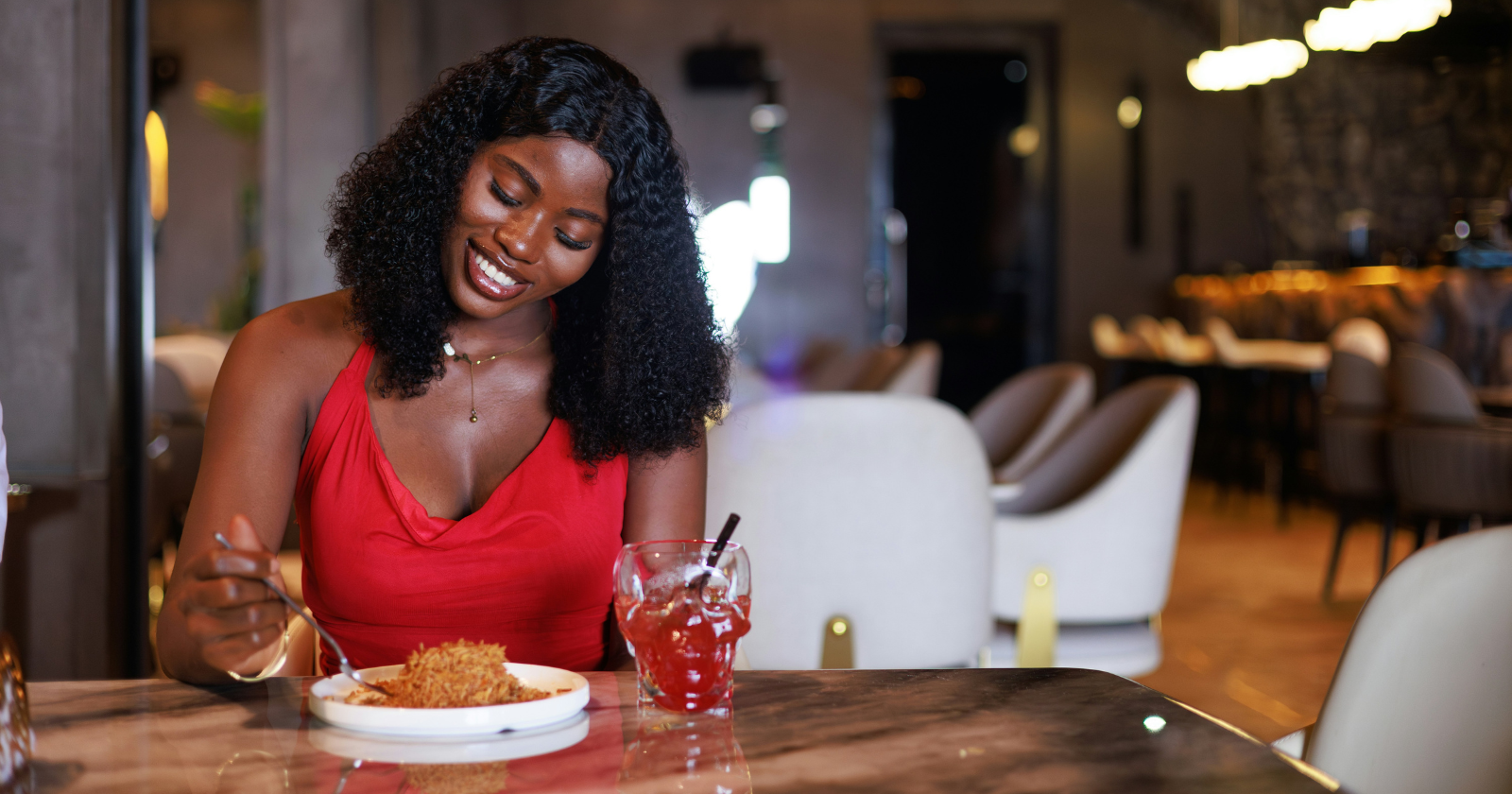
Picture this: I’m sitting alone at my favorite corner table, savoring my complicated coffee order that I’m too embarrassed to say out loud (seriously, it involves three different modifications and I always feel ridiculous ordering it). The server knows me by now and just nods when I walk in. Around me, tables are filled with chattering groups, business lunches, first dates. And there I am, party of one, completely content with my book and my thoughts.
For years, I thought this made me weird. Society tells us that eating alone in public is something to be avoided, a sign that we don’t have friends or that something’s wrong with us. But here’s what I’ve discovered: the ability to enjoy your own company at a restaurant is actually a sign of some pretty admirable qualities.
1. They have genuine self-confidence
When you can walk into a restaurant alone without feeling the need to scroll through your phone pretending to be busy, you’ve reached a level of self-assurance that’s rare. Psychologists call this “intrinsic confidence” – the kind that comes from within rather than from external validation.
I remember the first time I ate alone at a nice restaurant. My hands were shaking as I asked for a table for one. I was convinced everyone was staring at me, judging me. Turns out, most people were too absorbed in their own lives to care. That realization was liberating. People who regularly dine alone have already learned this lesson: your worth isn’t determined by who’s sitting across from you.
2. They’re comfortable with their own thoughts
Have you ever noticed how uncomfortable silence makes most people? We fill every quiet moment with podcasts, music, or mindless scrolling. But solo diners have made peace with their internal dialogue. They can sit with their thoughts without needing constant distraction.
This ability to be alone with your mind is what psychologists link to higher creativity and problem-solving skills. Some of my best ideas have come during those solo meals, when I’m not trying to keep up conversation or impress anyone. It’s like those mid-afternoon walks I take that I call “creative thinking” but are really procrastination that sometimes works – except dining alone actually does generate insights.
3. They prioritize their own needs without guilt
Choosing to eat alone means choosing yourself. It means saying, “I’m hungry now, I want this specific food, and I don’t need to coordinate with anyone else’s schedule or preferences.” That’s a powerful form of self-care that many people struggle with.
Research in self-determination theory shows that people who can prioritize their own needs tend to have better mental health and life satisfaction. They’re not selfish; they’ve just learned that you can’t pour from an empty cup.
4. They possess emotional independence
There’s a difference between being alone and being lonely. Solo diners understand this distinction intimately. They don’t need others to validate their choices or experiences. They can enjoy a fantastic meal without needing someone else to confirm it was good.
This emotional independence is something therapists often work with clients to develop. It’s the ability to generate your own happiness rather than relying on others to provide it. When you see someone genuinely enjoying a solo meal, you’re witnessing emotional maturity in action.
5. They have strong boundaries
“Want to grab lunch?”“Actually, I already have plans.”“Oh, who with?”“Myself.”
The ability to claim your alone time as legitimate “plans” requires solid boundaries. Solo diners don’t feel obligated to include others in every aspect of their lives. They understand that sometimes the best company is your own, and they’re not afraid to protect that time.
6. They’re naturally curious and observant
When you’re not engaged in conversation, you notice things. The way the chef plates the food, the dynamics between other diners, the rhythm of the restaurant. Solo diners tend to be keen observers of human nature.
This observational skill translates to better social awareness in group settings. They pick up on subtle cues others miss because they’ve trained themselves to pay attention. It’s like having a superpower that comes from simply being present.
7. They embrace mindful experiences
Eating alone forces you to actually taste your food. Without the distraction of conversation, you notice the layers of flavor, the texture, the presentation. Psychologists have found that this kind of mindful eating leads to greater satisfaction and even better digestion.
But it goes beyond food. People who are comfortable dining alone tend to approach all experiences more mindfully. They’re fully present rather than always performing or managing others’ perceptions.
8. They have authentic self-awareness
Do you know what you actually like versus what you think you should like? Solo diners do. When there’s no one to impress, you order what you genuinely want. You discover your true preferences without social influence.
This extends beyond food choices. People comfortable with solo dining tend to have a clearer sense of their values, goals, and desires. They’ve spent enough time with themselves to know who they really are beneath the social masks we all wear.
9. They demonstrate quiet courage
It takes guts to do something society deems awkward. Every solo diner has pushed through that initial discomfort of walking into a restaurant alone. They’ve faced the host’s “Just one?” and the assumption that they’re waiting for someone.
This willingness to be mildly uncomfortable for something they want shows a resilience that serves them in all areas of life. They’re the people who’ll speak up in meetings, pursue unconventional careers, and stand by their convictions even when it’s unpopular.
10. They radiate self-sufficiency
There’s something magnetic about someone who doesn’t need you. Solo diners project an aura of completeness. They’re not desperately seeking connection or validation. They’re whole on their own, which paradoxically makes them more attractive as friends and partners.
This self-sufficiency doesn’t mean they don’t value relationships. It means their relationships come from desire rather than need, which creates healthier, more balanced connections.
Final thoughts
The next time you see someone dining alone, don’t feel sorry for them. They’ve figured out something that takes many of us a lifetime to learn: being comfortable in your own company is a superpower. They’re not missing out on connection; they’re connecting with themselves.
And if you’ve been wanting to try solo dining but haven’t worked up the courage yet, start small. Coffee shops, casual lunch spots, then work your way up. The freedom you’ll discover on the other side of that discomfort is worth every awkward moment. Trust me, once you realize nobody’s actually watching or judging, you’ll wonder why you waited so long to claim a table for one.