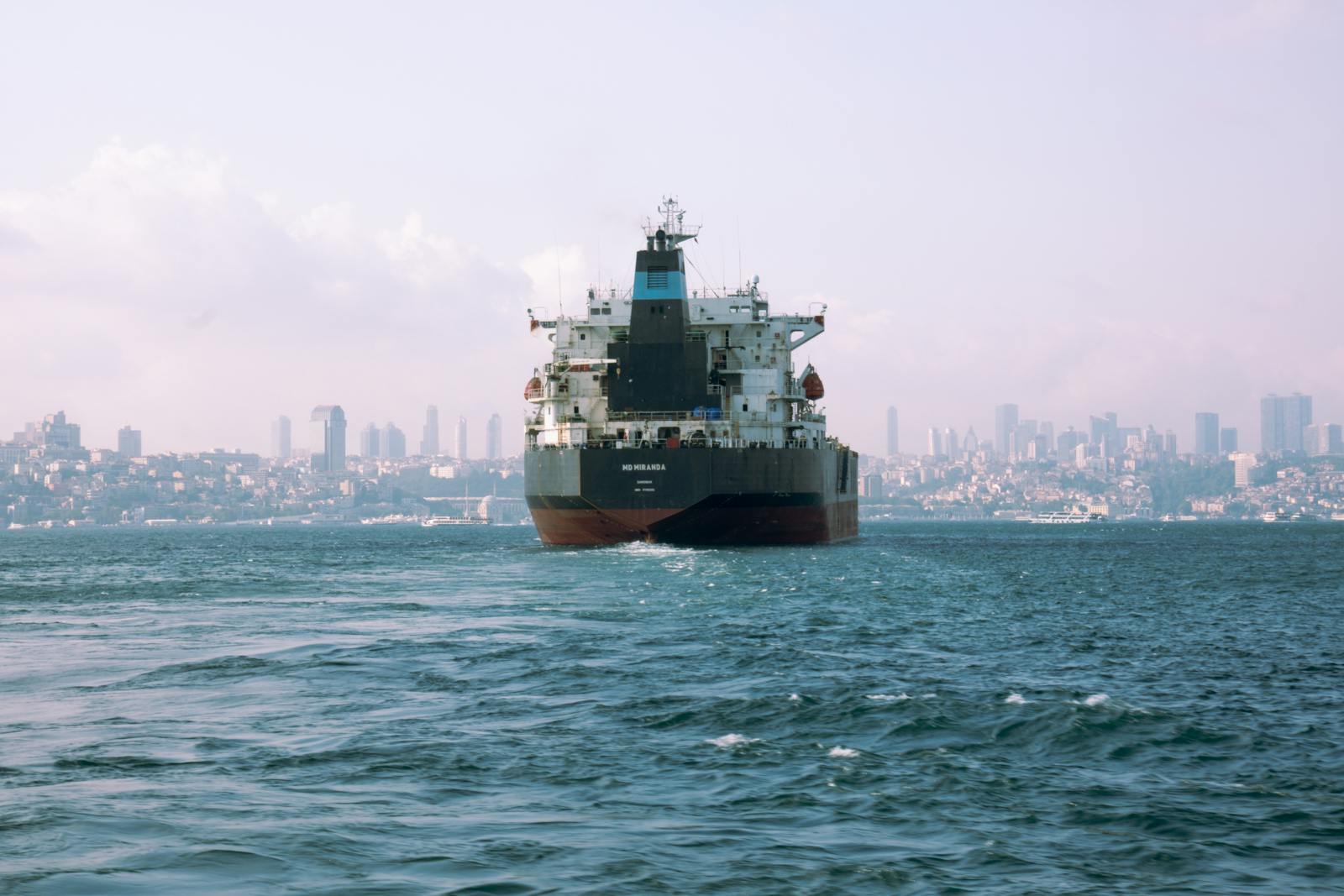
The electric vehicle was supposed to sever the auto industry’s dependence on the Persian Gulf. Instead, potential disruptions in the Strait of Hormuz have highlighted a different kind of dependency — one measured not in barrels of crude but in metric tons of specialized aluminum.
The chokepoint that EVs couldn’t escape
As Rest of World reports, disruptions to commercial shipping through the Strait of Hormuz could impact global supplies of low-carbon, automotive-grade aluminum that underpins EV production worldwide. The Gulf region produces a significant portion of the world’s aluminum, but the material flowing from its smelters is disproportionately critical: certified to specific environmental standards that EV supply chains require and that cannot be easily substituted.
Industry analysts have noted vulnerabilities in aluminum supply chains dependent on the region. Shipping disruptions could add weeks to transit times, with rerouting around Africa significantly extending what is typically a two-to-three-week journey.
Japanese automakers face supply chain risks
The exposure is concentrated. Japanese automakers rely heavily on processed aluminum from the Middle East. At a recent press conference, industry executives have expressed concern about procurement challenges if regional instability continues.
The problem compounds because EVs contain significantly more aluminum than gas or diesel vehicles. Emirates Global Aluminium, the UAE’s flagship producer in the world’s fifth-largest aluminum-producing country, focuses heavily on premium automotive-grade product — material that takes months to recertify if sourced from alternative suppliers.
Prices climbing, with no ceiling in sight
Benchmark aluminum prices on the London Metal Exchange have reached elevated levels in recent months. Industry analysts project prices could continue rising if regional tensions persist. The cost pressure lands directly on automakers already navigating thin margins on electric models.
A structural reckoning for EV supply chains
The challenge is significant. An industry that repositioned itself around reducing fossil fuel dependence has discovered it merely shifted that dependence to a different material flowing through the same geographic chokepoint. As Silicon Canals has reported, the entire oil market has recalibrated around the strait — and now the EV supply chain faces similar vulnerabilities.
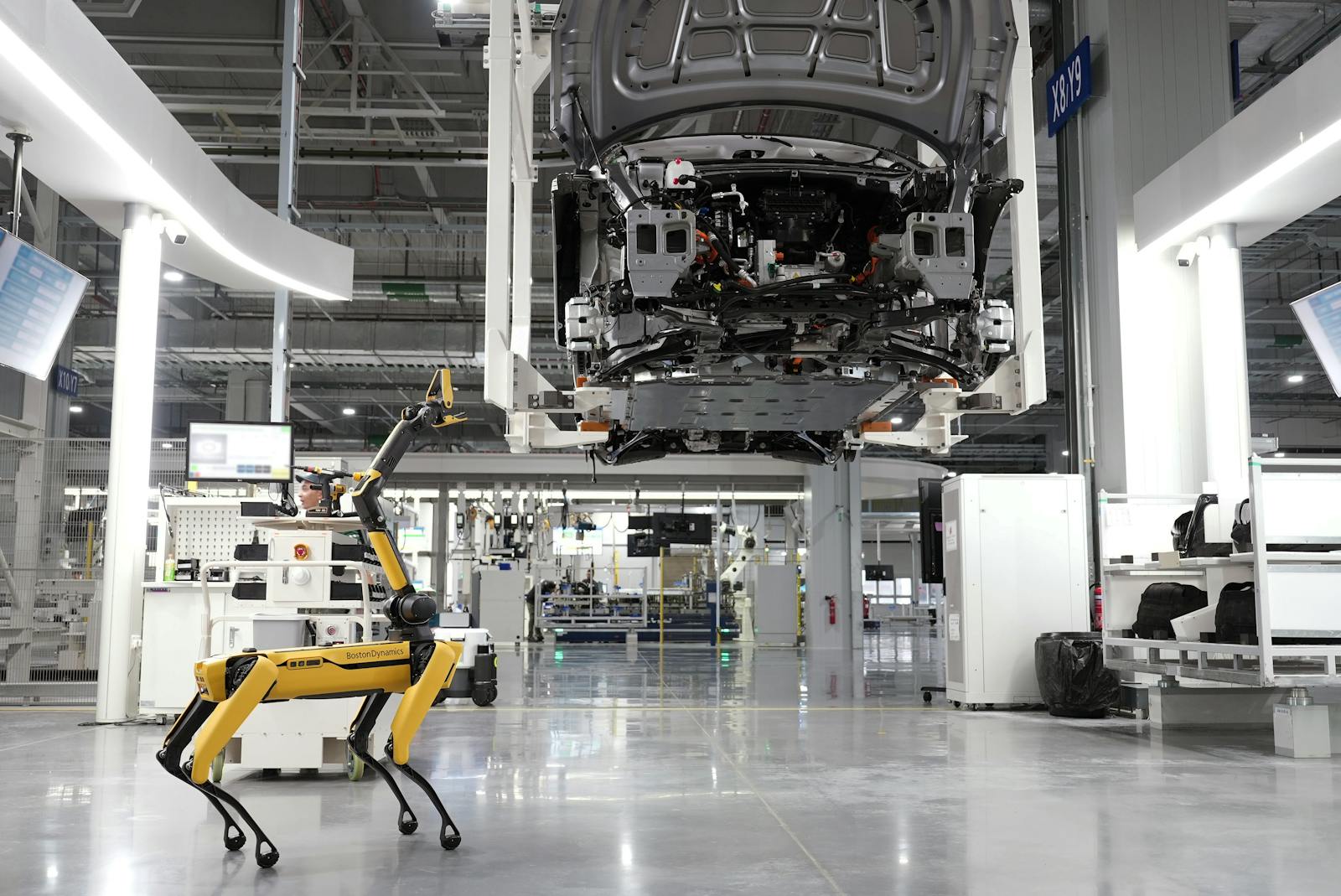
Industry analysts suggest this situation is likely to change how auto and EV manufacturers assess the Gulf as a sourcing region. Not by eliminating Gulf sourcing, but by forcing manufacturers to rethink risk exposure, diversification, and supply-chain resilience.
Supply chain experts emphasize that resilience needs to be designed end-to-end from the start rather than treated as a downstream logistics problem.
The auto industry spent a decade building supply chains optimized for cost and carbon certification. Potential disruptions in the Strait of Hormuz have exposed what that optimization may have left out.
Feature image by Esra Nurdoğan on Pexels