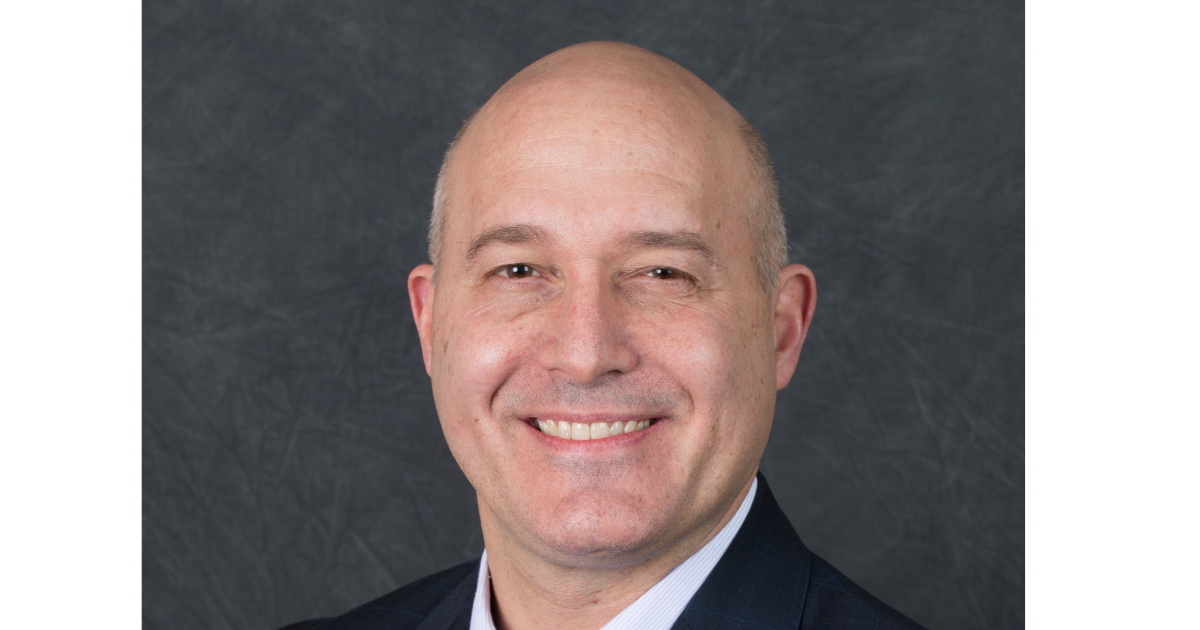
Like many of the clients he would come to serve, Michael Beloff saw that his life needed to change, whether he wanted it to or not.
Processing Content
Beloff’s 3-year-old son had an autism diagnosis that would lead to years of therapies and special needs. Consequently, his career as a corporate lawyer — with long hours and a demanding travel schedule — became simply untenable. Tapping connections at UBS, he pivoted to wealth management. That was 25 years ago.
Beloff threw himself into learning as much as he could about how to manage the long-term care of a child with a disability, from government services and organizational assistance to the financial instruments that could provide lifelong support. That helped him organize his own financial future, but he realized that there were potentially millions of people in the same situation. The U.S. Centers for Disease Control and Prevention estimates that 1 in 6 American children have a developmental disability.
“I was in a trading branch, and usually they say, ‘Pick a niche and pick three of them, because two of them won’t work,'” Beloff said. “I developed some content and some workshops, and that’s how I really started talking with parent groups and special-needs nonprofits. It seemed at that point, no one was really talking about this. I realized I had to disseminate this information, and it was a way to connect with these families.”
Read more in the Know Your Niche series
Over the years, he has collected tens of thousands of contacts for an email list — to which he still sends regular newsletters — knowing that few, if any, would ever become clients. But with the information he provided, they would, however, have the tools to navigate their finances far better than had they never made a connection.
And he has rolled up his sleeves to be part of the organizations that allow him to put on seminars, giving back for two decades and becoming a true part of their communities.
Beloff spent time at UBS, Morgan Stanley and MetLife before founding Belvedere Wealth Partners in Stamford, Connecticut, eight years ago. His firm is part of Stratos Wealth Partners, which is in the LPL Financial network. He talked to Financial Planning about building his firm, which has 100 clients and $125 million in assets under management. He estimates that two-thirds of his client families fall into his special needs niche.
This conversation has been lightly edited for clarity and length.
Financial Planning: You talked about creating educational information for special-needs families. But how did you connect with groups to allow you to disseminate that information and find your first clients?
Michael Beloff: There’s not a list of special-needs families that you can get, so I started talking with estate attorneys based on my connections with them, and I put together a workshop on what you need to do if you’re planning for your child with a disability. It focused on what guardianship looked like for adults with disabilities, especially if they had a cognitive disability, how you qualified for services, what kind of legal documents need to be put in place, and what kind of housing you need to think about. It was a very simple workshop.
And I called every nonprofit in my area and asked: “Do you bring in speakers? Can you bring in an audience? I don’t charge. I’m giving this information for free.” And then those individuals got added to a mailing list. Now I have a mailing list of almost 2,000 families that I’ve spoken to over the years, and I drip on them with a monthly newsletter.
I became a board member of the local service agency that my son had received supports from in early intervention, who he now gets supports from as an adult, and I’ve been on the board for 20 years. I made it my business to start researching and finding out who was involved in these areas, and saying, “Listen, I have information your constituents need.”
READ MORE: ABLE accounts get huge expansion in 2026 — what advisors should know
FP: This feels like you were doing more than trying to drum up business. You were spending a lot of time with people who you knew would never be clients. And the others would take a long time before they came to a place where a financial advisor was right for them. Is that right?
MB: It is a passion of mine to connect with these families and get them information. And you just never know where a referral is going to come from. I had some where it’s taken 10 years for a family, because I’ve tracked it. I have someone who came up to me about two years ago, where I had met them 15 years ago. They weren’t ready at the time because their child was young, and it’s harder, when their children are younger, for families to really see past today and look toward tomorrow. That changes when their kids turn 18 and 22, which are kind of big, critical years for disability planning. I find they often reach out at that point, saying, “I’ve been meaning to call you. I’m ready. What do we have to do?”
FP: I’d assume you’d want people to start much sooner and build through compound interest. Is that a major challenge for you? And what other challenges do clients in this niche pose?
MB: I think part of it is that families are so overwhelmed that all their energy is going into providing as much support for their children as possible, especially when they’re young. I know that’s what we did. And so they’re not ready to focus on long-term planning yet.
As financial advisors, we’re looking for folks who have money to invest. That’s how we make the majority of our revenue. But if you’re meeting families who are in their 30s or 40s, and they’re spending a ton of money on their kids — we used to joke, my wife and I, that we paid for Harvard before my kid turned 8 on all the therapies we were spending on him — sometimes they just need some help.
So I developed a practice where I can charge on an hourly basis under a financial planning contract. When things pop up, if they don’t have the assets to meet the minimums that I do for working with a family on a long-term basis, they can get the information they need. And again, they become great referral sources because they listen.
It’s certainly easier now that I’ve established that I can help people on their level in terms of what they’re doing, knowing that the larger clients will come.
READ MORE: How an advisor left the mailroom and built a white-glove UHNW niche
FP: How much complexity does planning for a special needs family add?
MB: It often depends on, how disabled is disabled? The government has a very specific definition of what it means to be disabled: You have a physical or medical condition that results in the inability to maintain substantial gainful activity, which is working and making more than about $1,700 a month. When individuals meet that definition, there are supports from state and local governments.
But it covers the basics. Those supports will cover something for them to do earlier during the day, and a roof over their head and perhaps support. It’s not going to include all the other things that make life worth living, like going on vacation or having nicer clothes, not having to go to a thrift store.
Part of it is understanding, on a long-term basis, what else is going to be needed as a legacy. That may include insurance planning. It will definitely include a legal vehicle called a special needs trust, which allows a family to leave money for an individual with disabilities that doesn’t count as their money for Medicaid purposes. Sometimes you have someone who is lower need — my dad would call them too light for heavy work and too heavy for light work — someone who is a higher-functioning adult with autism who may have challenges with executive function issues. They don’t qualify as disabled, but they can’t hold the job because [although] their qualifications get them the job, interpersonal issues and social interactions prevent them from keeping the job.
In that sense, you are looking at, “How can I support my child, fostering independence, but also supporting them?” Ultimately, that means more money, and that may mean working longer for a family. It may mean not splitting an estate equally, because there is a difference between equal and equitable in dividing an estate plan. All of those are the pieces that come in.
It’s important to coordinate with estate attorneys. It’s important to coordinate with state and local benefits, understanding that benefits work differently in different states.
I grew up in New York, in Long Island, and there’s something in the water there. When you turn 65, you are required to buy that apartment in Boca and live there three months a year. It’s just what you do down there. But Medicaid is state-specific. If someone’s receiving services in Connecticut or New York and the family decides to move to Florida or Tennessee or South Carolina, they may not be able to get the same services in those other states.
FP: What about you? I could see how this work could be both personally fulfilling, yet draining at the same time. How does it affect you?
MB: It’s interesting. I find it very fulfilling. Like many families, we’ve been in a position where my wife had to have much more flexibility in her jobs because my son was high-need for a very long time.
It can be challenging, from the standpoint of dealing with a lot of families who are struggling sometimes, especially those that I’m doing hourly consulting with because they don’t know where else to turn. It’s helpful to have outlets to make sure that I can decompress on weekends.
READ MORE: My son has autism. Would retiring early get him more Social Security?
FP: What’s your best advice for someone who wants to build a successful niche?
MB: The best way is to talk to people. If you’re not a member of the community that you’re going after, or you don’t have experience there — like a recovering lawyer who’s going after attorneys — you want to learn about what’s important to that marketplace and then figure out how to develop some unique content to market to them, because you have to speak their language, and you have to develop information that draws them to you.
In some ways, the old-style stockbroker is going away, and the investing side of being a financial advisor is becoming commoditized as firms are looking to have people use models or SMAs or platforms. The clients working with advisors are going with someone they connect with. That connection is made by understanding who they are and the challenges that they face, as well as being able to give them information that someone else can’t — developing workshops, writing papers, having a website that will have sections that tailor to that marketplace. They see that you understand. You’re not just a generic website.
I would also say it’s important to get involved when you’re in a niche. Anyone can give money to an event, but getting your hands dirty and presenting at conferences, joining boards — that’s going to be a big part in showing your relevance in that marketplace. The first thing I did was join the board of my local social service agency.
I’m now on a state committee that is the advisory board to our Department of Developmental Services, which provides supports to adults with intellectual development disabilities. I’m on some national boards. That may not be available to everybody who’s looking to join a niche, but there will be some kind of local volunteer work that you can do that will build your credibility in that marketplace, and also teach you about what that community really needs.