Consumers have said they’re worried about how quickly personal information can be leaked online. Cybercriminals are using more sophisticated methods to access sensitive data, and even small leaks can lead to major financial consequences. Many people assume large companies are the only targets, but everyday accounts are just as vulnerable. Once personal information is exposed, criminals can use it to access bank accounts, open fraudulent loans, or steal identities. Understanding the most common leak sources helps people stay protected.
1. Banking Login Credentials From Phishing Emails
Phishing emails remain one of the most effective ways criminals steal banking information. These emails often look identical to legitimate messages from banks or financial institutions. Many people click without realizing the link leads to a fake login page designed to capture their credentials. Once criminals have the username and password, they can access accounts within minutes. The simplicity of the scam makes it extremely dangerous.
Cybercriminals now use personal details—like names, locations, or recent purchases—to make phishing emails more convincing. These details often come from previous data leaks. The personalization lowers suspicion and increases the likelihood of a click. People who assume they’d “never fall for it” are often the most vulnerable. Awareness is the strongest defense.
2. Leaks From Retailer or Subscription Accounts
Retailers and subscription services store payment information, addresses, and personal details. When these companies experience data breaches, criminals gain access to sensitive information that can be used for financial fraud. Many people don’t realize how many companies have their card numbers saved. Even a small breach can expose enough data to compromise a bank account. The risk grows with every new online account created.
Accounts people haven’t used in years may still store personal information. These forgotten accounts are rarely monitored, making them easy targets. Deleting unused accounts reduces exposure. Regularly reviewing account lists helps people stay protected. The fewer accounts stored online, the lower the risk.
3. Leaks From Mobile Banking Apps
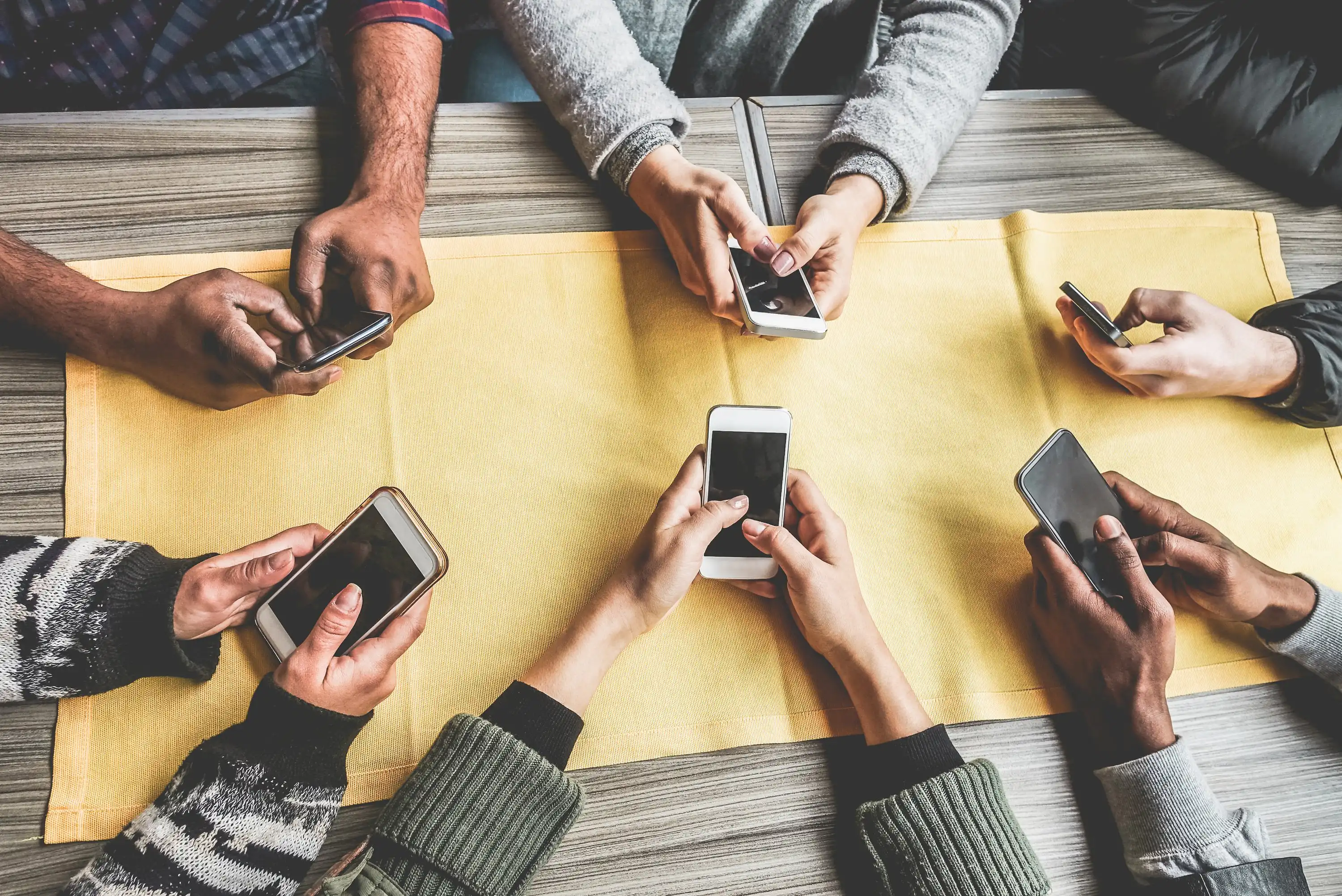
Mobile banking apps are convenient, but they also store sensitive data on phones. If a device is hacked, lost, or infected with malware, criminals can access banking information. Many people assume their phone is secure simply because it’s locked. However, malware can bypass basic protections and extract stored data. The risk increases when people download unverified apps or click suspicious links.
Using banking apps on public Wi‑Fi exposes data to potential interception. Hackers can create fake networks that mimic legitimate ones. Once connected, they can monitor activity and capture login details. Avoiding financial activity on public networks reduces risk. Secure connections are essential for protecting sensitive information.
4. Leaks From Social Media Oversharing
Social media platforms encourage people to share personal details about their lives. Unfortunately, criminals use this information to guess passwords, security questions, and identity verification answers. Birthdays, pet names, hometowns, and anniversaries are common password components. Oversharing makes it easier for criminals to access bank accounts without hacking. The danger comes from information people don’t even realize they’re revealing.
Even with strict privacy settings, friends’ accounts can be compromised. Screenshots, tags, and shared posts can expose information unintentionally. Criminals also scrape public data from profiles. Limiting personal details online reduces the risk of targeted attacks. Caution is more effective than privacy settings alone.
5. Leaks From Healthcare Portals and Insurance Accounts
Healthcare systems store sensitive personal information, including Social Security numbers and billing details. When these systems experience data breaches, criminals gain access to information that can be used for identity theft and financial fraud. Many people don’t realize healthcare data is more valuable on the dark web than credit card numbers. Stolen medical information can be used to open accounts or file fraudulent claims. The financial impact can be severe.
Healthcare systems often use outdated software, making them easier targets for hackers. Patients rarely monitor these accounts closely, giving criminals more time to exploit stolen data. Enabling two‑factor authentication adds an extra layer of protection. Regularly checking account activity helps detect suspicious behavior early. Vigilance is essential.
6. Leaks From Password Managers With Weak Master Passwords
Password managers are useful tools, but they’re only as secure as the master password protecting them. If the master password is weak or reused, criminals can access every stored login. This creates a single point of failure that exposes banking information instantly. Many people underestimate the importance of a strong master password. The convenience of password managers comes with responsibility.
Reusing a master password across multiple accounts increases the risk of exposure. If one account is breached, the master password becomes compromised. Creating a unique, complex password is essential. Adding two‑factor authentication strengthens security further. Protecting the master password protects everything else.
7. Leaks From Third‑Party Financial Apps
Budgeting apps, investment platforms, and financial tracking tools often require access to bank accounts. If these apps experience a breach, criminals can obtain sensitive financial data. Many people don’t realize how much information these apps store. Even reputable apps can be vulnerable to cyberattacks. The risk increases when people use multiple financial tools.
Some apps request more access than they actually need. Reviewing permissions helps limit exposure. Choosing apps with strong security reputations reduces risk. People who regularly audit their financial tools stay safer. Awareness helps prevent unnecessary vulnerabilities.
Understanding These Leaks Helps Protect Your Bank Account
Personal data leaks are becoming more common, but awareness helps reduce the risk. People who understand where leaks originate can take steps to secure their information. Strong passwords, cautious online behavior, and regular account monitoring make a significant difference. Protecting financial data requires ongoing attention. The more informed people are, the safer their bank accounts remain.
If you’ve experienced a data leak or fraud attempt, share your story in the comments—your insight may help someone else stay protected.
You May Also Like…
Which Household Appliances Send Your Personal Data to Marketers?
Are You Giving Away More Personal Info Than You Realize at the Pharmacy?
10 Personal Habits That Make Thieves Think You’re an Easy Target
7 Apps That Look Harmless But Drain Your Personal Data
Identity Theft: 10 Ways to Protect Your Financial Information