We buy insurance for peace of mind, assuming that “full coverage” means we are protected from every possible disaster. We pay our premiums faithfully every month, trusting that the contract in our file cabinet is a safety net that will catch us when we fall. However, the reality of insurance in 2026 is that a policy is a contract of exclusion, defining exactly what is not covered far more clearly than what is. Most policyholders never read the insurance clauses in the 50-page jacket until disaster strikes, at which point it is often too late to negotiate or fix coverage gaps.
In 2026, insurers have tightened their language significantly to limit payouts on climate-related damages and aging homes, reacting to the massive losses of the previous decade. Clauses that used to be obscure legal theories are now being used daily by adjusters to deny claims or reduce check amounts. Understanding these terms before you file a claim is the only way to avoid a financial catastrophe that could cost you your home or savings. Here are eight specific clauses lurking in your policy right now that only become relevant once the damage is already done.
1. The “Anti-Concurrent Causation” Clause
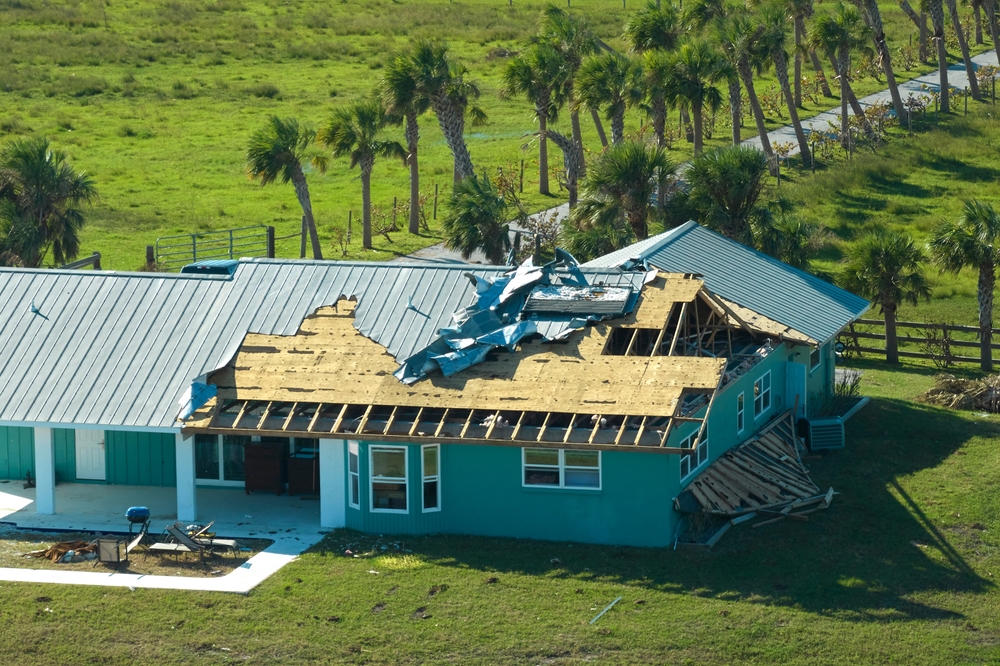
This is arguably the most dangerous clause for homeowners living in hurricane or flood zones today. It states that if two events happen at the same time—one covered (like wind) and one not covered (like flood)—the insurer pays for NOTHING. Even if 90% of the damage to your home was caused by the hurricane’s wind tearing off the roof, the presence of surface floodwater in the living room can legally void the entire claim.
This clause effectively removes the need for the adjuster to separate the damages, allowing them to issue a blanket denial based on the presence of excluded water. It traps homeowners in a legal limbo where neither their wind insurer nor their flood insurer wants to pay the full amount. To protect yourself, you must carry a separate flood policy and understand that your homeowners policy is extremely fragile during mixed-weather events.
2. The “Betterment” Clause
If your old car is totaled or damaged, the insurer legally owes you the value of the car as it was just prior to the accident. If fixing the vehicle requires new parts that make the car “better” than it was before (like putting a brand new engine in a 10-year-old sedan), the Betterment Clause allows the insurer to charge you for the difference. You might find yourself facing a bill from the body shop because the insurance refused to pay for the “upgrade” of a new alternator or transmission.
This often happens with “wear and tear” parts like tires, batteries, and exhaust systems, where a new part adds significant life to the vehicle. The insurer will argue that paying for a new part would result in “unjust enrichment” for you, leaving you in a better position than you started. You end up paying hundreds of dollars out of pocket just to get your car back on the road.
3. The “Ordinance or Law” Exclusion
If your house burns down or is destroyed by a tornado, you might assume insurance will pay whatever it costs to rebuild it exactly as it was. However, if building codes have changed since your home was built in 1980, rebuilding it today might cost 30% more to meet new energy, electrical, and wind-load standards. Standard policies generally exclude these code upgrade costs unless you have a specific endorsement.
Without this specific rider, the insurance company will pay to rebuild your “1980 house,” leaving you to pay the difference for the “2026 house” required by the city inspector. In older neighborhoods, this gap can amount to tens of thousands of dollars for items like wider doorways, fire sprinklers, or hurricane straps. You must check your policy today to see if you have “Law and Ordinance” coverage included.
4. The “Vacancy” Clause
Going on a long vacation, dealing with a prolonged hospital stay, or leaving a rental property empty between tenants can trigger this silent killer of coverage. If a home is vacant for more than 30 or 60 days (depending on the specific policy), many insurers automatically suspend coverage for vandalism, glass breakage, and water damage. If a pipe bursts on day 61, the insurer pays zero because the risk of damage in an unmonitored home is considered too high.
This clause catches snowbirds and landlords off guard constantly, as they assume their annual premium covers the home regardless of occupancy. You must buy a specific “vacant home” permit or endorsement if you plan to be away for more than a month. Ignoring this timeline means you are effectively self-insuring your empty house against its biggest threats.
5. The “Hammer Clause”
This clause appears frequently in liability and professional insurance policies, particularly for business owners or those with umbrella coverage. It gives the insurer the right to force you to settle a lawsuit against you, even if you want to fight it to clear your name. If they want to pay $50,000 to make a case go away, but you refuse and lose in court for $150,000, the Hammer Clause says you are responsible for the extra $100,000.
It effectively acts as a financial hammer, forcing you to accept a settlement that might damage your reputation just to save the insurance company money. It strips you of your right to defend yourself in court once the insurer decides the case is a losing proposition. You lose control of your own legal defense the moment this clause is invoked.
6. The “Co-Insurance” Penalty
This is a devastating math trap often found in commercial property policies and some landlord policies. If you try to save money on premiums by insuring a building for less than 80% of its replacement value, the insurer hits you with a Co-Insurance Penalty at claim time. If you have a partial loss—say, a $10,000 fire in the kitchen—they won’t pay the full $10,000.
Instead, they will pay a reduced percentage based on how underinsured you were, effectively punishing you for being “cheap” on the premium. You might only receive a check for $5,000, leaving you to cover the rest of the repair yourself. You must insure your property to value to avoid this punitive mathematical reduction.
7. The “Pollution Exclusion”
You might think “pollution” refers to industrial sludge or chemical spills, but insurers define it much more broadly to deny household claims. If your heating oil tank leaks into your basement, or if smoke from a neighbor’s fire damages your siding, the Pollution Exclusion can be used to deny the claim completely. It is also frequently used to deny claims related to mold, lead paint, and even sewage backups in some restrictive policies.
This broad definition allows insurers to sidestep liability for expensive environmental cleanups that are common in residential settings. Unless you have a specific “escape of liquid fuel” or similar rider, you could be on the hook for a massive EPA cleanup bill.
8. The “Managed Repair” Option
Some modern policies now give the insurer the “Right to Repair,” meaning they choose the contractor who fixes your home, rather than just writing you a check. If you invoke the “Managed Repair” option to get a lower premium, you lose control of the repair process entirely. You cannot fire their contractor if they do a bad job, leave a mess, or use inferior materials.
You are trapped in a contract with a vendor you didn’t hire, who answers to the insurance company rather than to you. This often leads to delays and disputes that are impossible to resolve because you hold no leverage. Always be wary of policies that trade your freedom of choice for a small discount.
Review Before Renewal
Do not wait for a disaster to learn your policy’s limits, because the adjuster will not be lenient when the time comes. Call your agent this week and ask specifically about “Ordinance or Law,” “Vacancy” periods, and “Pollution” definitions. It costs nothing to ask these questions now, but it costs everything to not know the answers later.
Did you get hit with a “betterment” charge on your car repair? Leave a comment below—tell us how much it cost you!
You May Also Like…
Insurance Claims Are Facing Longer Review Times
Electric-Vehicle Insurance Hike: How Riders Over 60 Pay More Because of New Algorithm Risk Models
Insurance Networks Are Shrinking by Zip Code
Role of an Insurance Agency in Preparing a Fleet for Underwriting
5 Insurance Letters Seniors Should Read Immediately