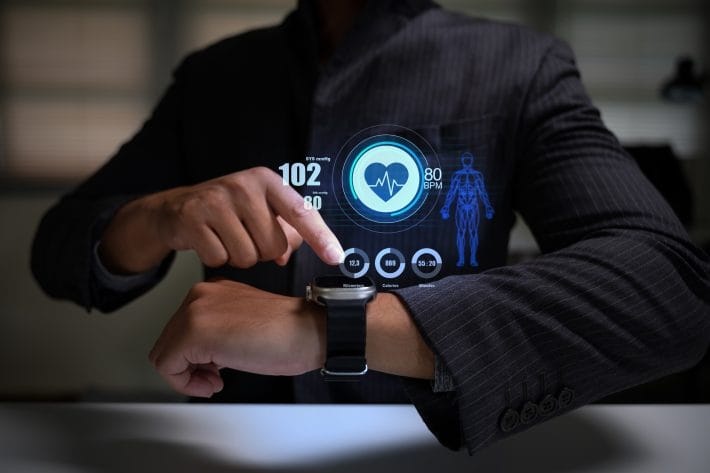
AI safety tools in wearables are evolving so quickly that many people don’t realize how far the technology has already come—or how much it’s about to change daily life. What started as simple step counters has turned into a powerful layer of protection for older adults, solo homeowners, commuters, and anyone who wants more peace of mind.
Today’s AI-driven wearables don’t just react to emergencies; they predict them, flag subtle risks, and alert loved ones before something goes wrong. This shift toward early‑warning intelligence is reshaping how we think about personal safety, independence, and long‑term health. And as these tools become more affordable, they’re becoming a practical option for millions of households.
AI Fall Detection Is Becoming Faster, Smarter, and More Accurate
AI fall detection has moved far beyond the basic accelerometer-based alerts of early smartwatches. Modern wearables now analyze movement patterns, gait changes, and micro‑instabilities to detect a fall within seconds. These systems can distinguish between a real fall and everyday movements like sitting quickly or dropping the device, reducing false alarms.
Some devices even send automatic alerts to caregivers or emergency services when the wearer is unresponsive. As AI safety tools continue to improve, fall detection is becoming a reliable, proactive layer of protection for older adults living alone.
Predictive Gait Analysis Helps Prevent Falls Before They Happen
Predictive gait analysis is one of the most promising AI safety tools emerging in wearables today. Instead of waiting for a fall, these systems monitor subtle changes in balance, stride length, and foot pressure to identify early signs of instability. When the AI detects a pattern associated with increased fall risk, it sends a warning to the wearer or caregiver.
This gives people time to rest, adjust medications, or schedule a medical checkup before a fall occurs. For seniors and those recovering from surgery, this early‑warning capability can be life‑changing.
Heart and Rhythm Monitoring Now Includes AI-Driven Early Alerts
Heart monitoring has long been a staple of smartwatches, but AI is taking it to a new level. Instead of simply tracking beats per minute, advanced wearables analyze rhythm irregularities, stress patterns, and oxygen fluctuations to detect early signs of cardiac issues. These AI safety tools can flag abnormalities that might otherwise go unnoticed, prompting users to seek medical attention sooner.
Some devices even generate shareable reports for doctors, making follow‑up care easier. With heart disease still a leading health concern, early detection can make a meaningful difference.
Check out this heart and rhythm monitor on Amazon.
AI Respiratory Monitoring Helps Catch Breathing Issues Early
Respiratory monitoring is becoming a major focus for next‑generation wearables. New sensors track breathing rate, depth, and variability, allowing AI to identify early signs of respiratory distress. These alerts can be especially valuable for people with asthma, COPD, or sleep-related breathing issues.
When paired with nighttime monitoring, the device can detect irregularities that the wearer may not notice on their own. As AI safety tools expand into respiratory health, they’re offering a new level of protection for vulnerable users.
Smart Medication Reminders Are Becoming More Personalized
Medication reminders used to be simple alarms, but AI is transforming them into intelligent assistants. Today’s wearables can track adherence patterns, identify missed doses, and adjust reminders based on the user’s habits. Some systems even detect physiological changes that may indicate a missed medication.
These AI safety tools help reduce the risk of dangerous interactions or skipped doses, especially for older adults managing multiple prescriptions. By making medication management easier, wearables are helping people stay healthier and more independent.
Environmental Hazard Alerts Are Expanding Beyond Weather Warnings
Wearables are beginning to integrate environmental sensors that detect air quality, allergens, and even harmful gases. AI analyzes these readings to provide early warnings when conditions become unsafe.
For people with respiratory conditions, this can prevent flare‑ups or emergency room visits. Some devices also sync with smart home systems to trigger ventilation or send alerts to family members. As AI safety tools expand into environmental monitoring, they’re offering protection both inside and outside the home.
Stress and Fatigue Detection Helps Prevent Accidents
AI-driven stress and fatigue detection is becoming a powerful safety feature for drivers, workers, and caregivers. Wearables track heart rate variability, micro‑movements, and skin temperature to identify early signs of exhaustion.
When the system detects a risk, it sends a prompt encouraging rest or hydration. This can help prevent workplace accidents, drowsy driving, or burnout-related health issues. As AI safety tools become more sophisticated, they’re helping people recognize risks they might otherwise ignore.
Location-Based Safety Alerts Support Independent Living
Location-based alerts are becoming more precise thanks to AI-enhanced GPS and motion tracking. Wearables can detect wandering behavior, unusual travel patterns, or prolonged inactivity in unfamiliar places. These alerts are especially valuable for families caring for loved ones with dementia or memory challenges.
Some devices even create safe zones and notify caregivers when the wearer leaves the area. With AI safety tools improving location accuracy, independent living is becoming safer for more people.
Emergency Response Features Are Becoming More Automated
Emergency response tools in wearables are shifting from manual activation to automated intelligence. AI can detect distress signals such as sudden immobility, abnormal vital signs, or panic‑like movements. When triggered, the device can automatically contact emergency services, share the user’s location, and notify designated contacts.
This reduces response time and ensures help arrives even if the wearer can’t reach their device. As AI safety tools continue to evolve, automated emergency response is becoming a standard feature rather than a luxury.
The Future of Wearables Is Proactive Safety, Not Just Tracking
AI safety tools are transforming wearables from simple fitness gadgets into powerful early‑warning systems. These devices now help prevent falls, detect health issues sooner, and provide real‑time alerts that support independent living. As the technology becomes more accessible, more families will rely on wearables as part of their everyday safety plan. The shift toward proactive protection is reshaping how we think about aging, wellness, and personal security. What AI safety feature would make the biggest difference in your daily life?
Which AI safety tool do you think will have the biggest impact in the next few years? Share your thoughts in the comments!