Add Silicon Canals to your Google News feed. 
When I think about my neighbor who just turned 65, I’m struck by how different she seems from others her age.
While some of her peers have settled into quiet routines, she radiates an energy that makes people assume she’s a decade younger. The difference? She discovered salsa dancing last year and hasn’t looked back.
Age might be just a number, but let’s be honest: How we spend our time shapes how others perceive our vitality.
After interviewing over 200 people for various articles, I’ve noticed a pattern among those who seem to defy their years. They’ve all embraced hobbies that keep them engaged, social, and physically active.
The research backs this up too. Studies consistently show that staying mentally and physically engaged as we age isn’t just good for health—it transforms how energetic and alive we appear to others.
Today, I want to share eight fun hobbies that can instantly boost that youthful spark for anyone over 60.
1) Dancing of any kind
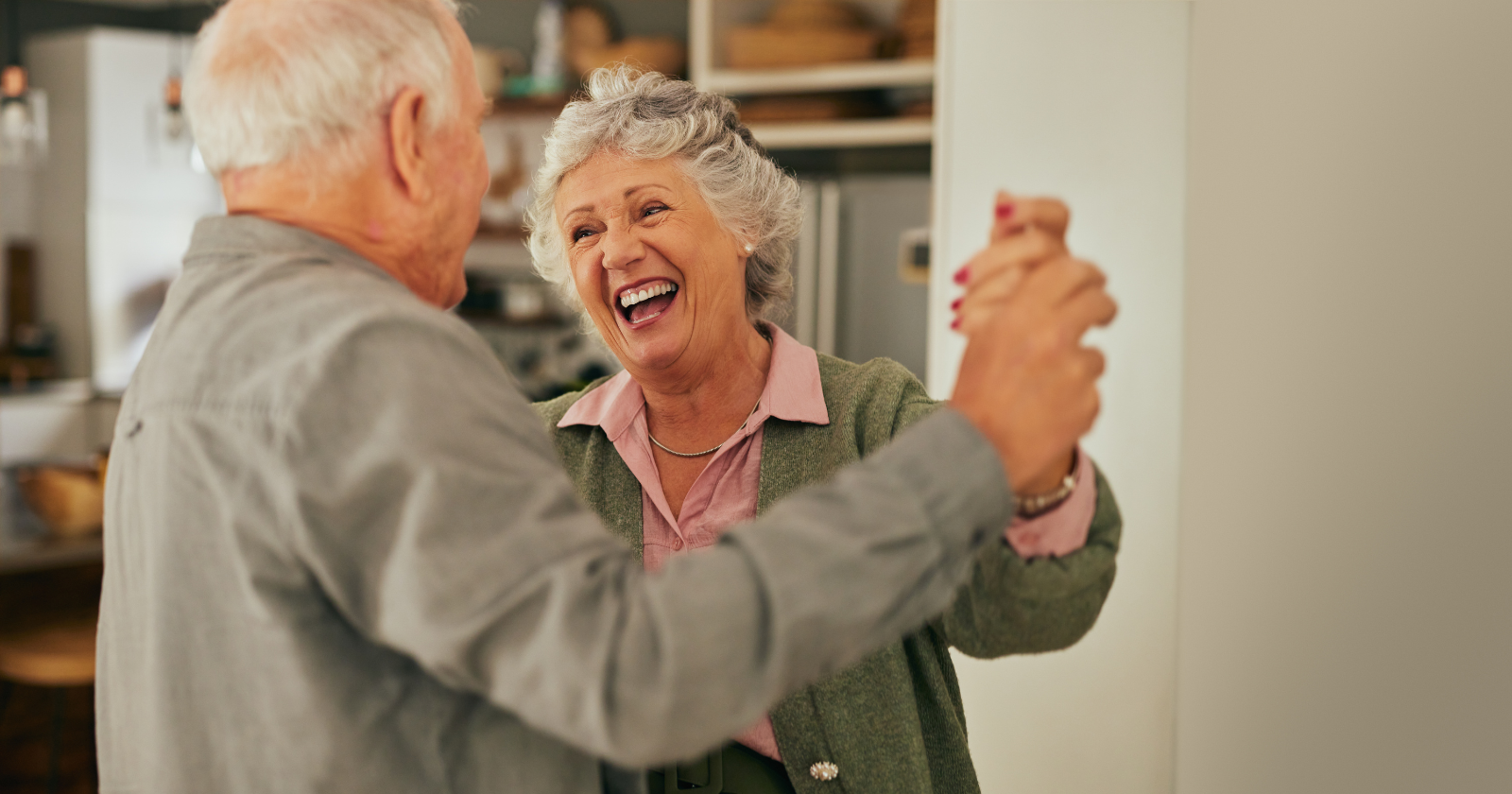
Remember when dancing was just something you did at weddings? For many over 60, it’s becoming their secret weapon against aging.
Whether it’s ballroom, line dancing, or even hip-hop classes designed for seniors, dancing combines physical exercise with social interaction and mental challenge.
The beauty of dancing is that it doesn’t feel like exercise. You’re too busy focusing on the steps, laughing at mistakes, and enjoying the music to realize you’re getting a full-body workout.
Plus, learning new choreography keeps your brain sharp. One woman I interviewed started Argentine tango at 62 and told me she’d never felt more confident or connected to her body.
2) Community theater or improv classes
Have you ever noticed how actors often seem ageless? There’s something about theatrical expression that keeps people vibrant. Community theater groups are welcoming spaces where age becomes irrelevant—what matters is enthusiasm and willingness to try.
Improv classes, in particular, are gaining popularity among older adults. They require quick thinking, active listening, and spontaneity—all qualities that make someone appear mentally sharp and engaged. The laughter alone is worth it.
One retired teacher I spoke with said joining her local theater group made her feel like she’d discovered a whole new version of herself at 68.
3) Pickleball or tennis
Pickleball has exploded among the over-60 crowd, and for good reason. It’s easier on the joints than tennis but still provides fantastic exercise and social connection.
The courts are smaller, the ball moves slower, but the competitive spirit and camaraderie are just as strong.
What makes racquet sports particularly effective at boosting perceived energy? They require quick reflexes, strategic thinking, and constant movement.
Players develop a spring in their step that carries over into daily life. I’ve watched 70-year-olds on the pickleball court move with more agility than people half their age stuck behind desks all day.
4) Photography walks or urban sketching
Combining creativity with gentle exercise, photography walks and urban sketching get people out exploring their environment with fresh eyes.
These hobbies naturally lead to adventure—you might find yourself wandering new neighborhoods, visiting botanical gardens, or catching sunrise at scenic spots.
The photographers and sketchers I’ve met radiate curiosity about the world around them. They notice details others miss, engage with strangers about their art, and always have stories about their latest creative expedition.
This active engagement with life is contagious and makes them appear decades younger than their more sedentary peers.
5) Learning a musical instrument
“You can’t teach an old dog new tricks” might be the most harmful myth about aging. Learning an instrument after 60 proves this wrong spectacularly.
Whether it’s finally tackling the guitar, taking up the ukulele, or joining a community band, music learning rewires the brain in powerful ways.
Musicians in their 60s and beyond often display remarkable mental agility. The concentration required to read music, coordinate movements, and express emotion through sound creates new neural pathways.
One gentleman started learning piano at 64 and now, at 70, performs at local venues. His enthusiasm when talking about music makes him seem like an excited teenager.
6) Volunteering with youth programs
Want to feel young? Spend time with actual young people. Volunteering as a tutor, coach, or mentor puts older adults in regular contact with youthful energy and fresh perspectives. This intergenerational connection benefits everyone involved.
The volunteers I’ve interviewed who work with kids consistently report feeling more energetic and optimistic.
They stay current with technology and trends, maintain a playful spirit, and develop a sense of purpose that shows in their demeanor. There’s something about helping young people that reignites our own spark.
7) Gardening communities or botanical clubs
Gardening might seem like a stereotypical retirement hobby, but community gardens and botanical clubs take it to another level.
These groups organize plant swaps, garden tours, and educational workshops that keep members actively engaged and learning.
The physical benefits are obvious—digging, planting, and tending gardens provides moderate exercise and time outdoors. But the social aspect transforms it from solitary puttering to vibrant community involvement.
Gardeners develop a rhythm with the seasons, always planning ahead, always excited about what’s growing next. This forward-looking mindset is inherently youthful.
8) Travel groups or language exchanges
Nothing shakes off the dust of routine quite like exploring new places or learning new languages. Travel groups specifically designed for older adults combine adventure with safety and companionship.
Meanwhile, language exchanges—whether online or in person—open doors to different cultures without leaving town.
The travelers and language learners I know possess an openness and adaptability that reads as energetic engagement with life.
They’re planning their next trip, practicing conversations in broken Spanish, or cooking recipes from their latest destination. This active curiosity about the world beyond their immediate surroundings keeps them vibrant and interesting.
Final thoughts
My grandmother, who passed away three years ago, understood something important about aging well. She took up watercolor painting at 67 and joined a hiking group at 70. Right until the end, people commented on her energy and zest for life.
The hobbies that make us appear more energetic aren’t just about physical activity—they’re about staying curious, connected, and engaged with the world around us.
They give us stories to tell, skills to develop, and communities to belong to. Most importantly, they remind us that growth and discovery don’t have expiration dates.