No Result
View All Result
  • Login
Tuesday, July 14, 2026
theadvisertimes.com
  • Home
  • Business
  • Financial Planning
  • Personal Finance
  • Investing
  • Money
  • Economy
  • Markets
  • Stocks
  • Trading
  • Home
  • Business
  • Financial Planning
  • Personal Finance
  • Investing
  • Money
  • Economy
  • Markets
  • Stocks
  • Trading
No Result
View All Result
theadvisertimes.com
No Result
View All Result
Home Startups

8 signs someone is quietly pulling away from others as they age (without even noticing it)

by theadvisertimes.com
7 months ago
in Startups
Reading Time: 5 mins read
A A
0
8 signs someone is quietly pulling away from others as they age (without even noticing it)
Share on FacebookShare on TwitterShare on LInkedIn


Have you ever looked through old photos and realized you couldn’t remember the last time you talked to someone who used to be part of your daily life? That happened to me recently when I stumbled across pictures from a college reunion five years ago. There I was, arm-in-arm with someone I once considered my closest friend, both of us promising to “definitely keep in touch better this time.” We haven’t spoken since that night.

The drift wasn’t dramatic. There was no fight, no betrayal, no moment where everything changed. It was more like watching a boat slowly float away from shore—so gradual you don’t notice until suddenly there’s an ocean between you. And the scariest part? I’m starting to see this pattern everywhere in my thirties, not just with that one friendship.

As we age, many of us unconsciously create distance from others, building walls so slowly we don’t even realize we’re doing it. These subtle shifts in behavior can leave us isolated before we know what’s happening. Here are eight signs someone might be quietly pulling away from others as they age—often without any awareness it’s happening.

1. They’ve stopped making new friends

Remember when making friends felt effortless? You’d meet someone at a party, click over a shared joke about the terrible music, and suddenly you had plans for coffee next week. Now? The thought of investing energy in getting to know someone new feels exhausting.

When someone stops being open to new friendships, they often rationalize it perfectly. “I barely have time for the friends I have,” they’ll say. Or “I’m too old to deal with drama.” These aren’t necessarily wrong, but they become self-fulfilling prophecies. The social circle gets smaller and smaller, with no fresh perspectives or energy coming in.

I noticed this in myself when I realized my most recent “new” friend was someone I met four years ago. Four years! That’s when it hit me that somewhere along the way, I’d closed the door to new connections without even realizing I’d done it.

2. Their default answer has become “maybe next time”

“Want to grab dinner Friday?”“Oh, I can’t this week, but maybe next time!”

Sound familiar? This phrase becomes a reflex, a polite way to decline without seeming antisocial. The problem is that “next time” rarely comes. Plans get postponed indefinitely, and eventually, people stop asking.

The person doing this often genuinely believes they’ll make it work next time. They’re not lying or trying to hurt anyone. They’re just perpetually overwhelmed, tired, or convinced that staying home will be more restorative. But each “maybe next time” creates a little more distance, a little less connection.

3. They’ve developed rigid routines that leave no room for spontaneity

Routines can be wonderful for productivity and mental health. But when someone’s schedule becomes so fixed that there’s no flexibility for impromptu coffee or an unexpected phone call, it’s a sign they’re creating barriers to connection.

“I can’t, that’s my gym night” or “Sorry, I meal prep on Sundays” become mantras. Every hour is accounted for, every deviation from the schedule feels like chaos. While structure is important, relationships thrive on some degree of flexibility and spontaneity. When everything needs to be planned weeks in advance, maintaining connections becomes a logistical nightmare that many people simply give up on.

4. They communicate primarily through likes and brief texts

Technology has given us the illusion of connection without the substance. Someone pulling away might still “heart” your Instagram posts and send the occasional “thinking of you!” text, but meaningful conversations have disappeared.

These digital breadcrumbs feel like maintaining a relationship, but they’re really just placeholders. Real connection requires vulnerability, depth, and time—none of which can be accomplished through emoji reactions. When someone’s primary mode of “keeping in touch” has been reduced to these minimal interactions, they’re keeping people at arm’s length while telling themselves they’re still connected.

5. They’ve stopped sharing their struggles

“How are you?”“Fine! Busy, but good. You?”

This autopilot response becomes a shield. Someone withdrawing often stops sharing what’s really going on in their life. Maybe they don’t want to burden others, or they’ve convinced themselves nobody really wants to hear about their problems. Perhaps they’ve simply forgotten how to be vulnerable.

I went through a phase where I thought being the friend who never complained, who always had it together, was the mature thing to do. What I didn’t realize was that by never sharing my struggles, I was denying my friends the opportunity to support me. Relationships need that reciprocal vulnerability to deepen. Without it, they stay surface-level and eventually fade.

6. They’ve become overly selective about who “deserves” their time

Quality over quantity in friendships is healthy. But when someone starts creating an increasingly exclusive list of who’s worth their time, they’re often using “boundaries” as an excuse for withdrawal.

They might cut off anyone who’s “too negative” or “doesn’t add value” to their life. While toxic relationships should be addressed, this hyperselectivity often extends to anyone who requires emotional effort. The result? A shrinking circle of only the most low-maintenance relationships, which often means the shallowest ones.

7. They’ve stopped initiating contact

One of the clearest signs someone is pulling away is when they stop reaching out first. They’ll respond if you text, they’ll chat if you call, but they never pick up the phone themselves. The mental load of maintaining the relationship falls entirely on others.

Often, they don’t even realize this imbalance. In their mind, they’re still friends with all these people. But friendship requires active participation from both sides. When someone stops initiating, they’re essentially putting their relationships on life support, keeping them technically alive but not truly thriving.

8. They’ve replaced social time with solo activities

That book club becomes “I’ll just read on my own.” The group workout class turns into solitary runs. Game night transforms into Netflix alone. While solo activities are important for self-care and reflection, when they completely replace social ones, it’s a sign of withdrawal.

The transition happens gradually. At first, it’s just easier to exercise alone—no coordinating schedules. Then it seems more efficient to skip the social aspect of hobbies altogether. Before long, entire weeks pass without meaningful face-to-face interaction, and that starts to feel normal, even preferable.

Final thoughts

Recognizing these patterns doesn’t mean someone is doomed to isolation. Awareness is the first step toward change. If you see yourself in these signs, you’re not alone, and it’s not too late to reverse course.

Start small. Send that text you’ve been putting off. Say yes to one invitation this month. Share something real when someone asks how you are. Relationships are like gardens—they need regular tending to thrive. The good news? It’s never too late to pick up the watering can.

The slow drift from others as we age isn’t inevitable. It’s a choice we make in a thousand tiny moments. And just as we can unconsciously pull away, we can consciously choose to lean back in. The first step is simply noticing which direction we’re moving.



Source link

Tags: AgeNoticingPullingQuietlysigns
ShareTweetShare
Previous Post

Russian official warns a banking crisis is possible amid nonpayments. ‘I don’t want to think about a continuation of the war or an escalation’

Next Post

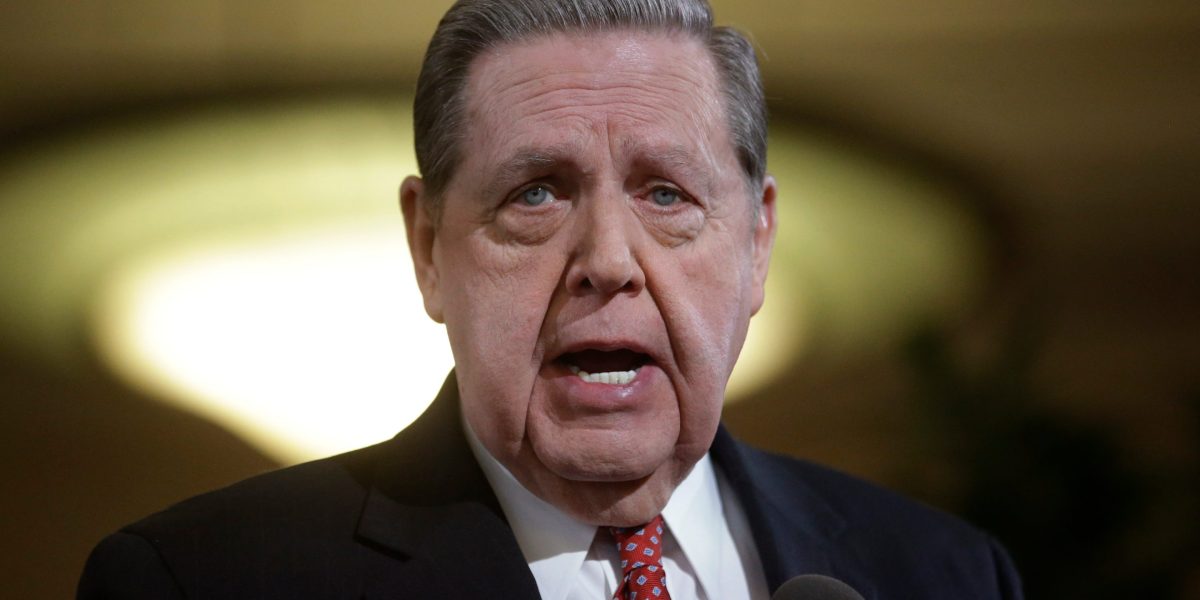
Jeffrey R. Holland, next in line to lead Church of Latter-day Saints, dies at 85

Related Posts

Sperm whales dive to depths of nearly 2,250 metres on a single breath, their heads packed with a waxy oil called spermaceti that solidifies under cold pressure and helps them sink like a stone toward prey they hunt in total darkness

Sperm whales dive to depths of nearly 2,250 metres on a single breath, their heads packed with a waxy oil called spermaceti that solidifies under cold pressure and helps them sink like a stone toward prey they hunt in total darkness

by theadvisertimes.com
July 13, 2026
0

A sperm whale can hold its breath for over an hour and drop nearly 2,250 metres below the surface —...

The Weekly Notable Startup Funding Report: 7/13/26 – AlleyWatch

The Weekly Notable Startup Funding Report: 7/13/26 – AlleyWatch

by theadvisertimes.com
July 13, 2026
0

The Weekly Notable Startup Funding Report takes us on a trip across various ecosystems in the US, highlighting some of...

We tend to think detachment means becoming cold or disengaged, but occupational psychology uses the word differently: research finds that mentally switching off from work during your free time is associated with less exhaustion, fewer sleep problems and greater life satisfaction

We tend to think detachment means becoming cold or disengaged, but occupational psychology uses the word differently: research finds that mentally switching off from work during your free time is associated with less exhaustion, fewer sleep problems and greater life satisfaction

by theadvisertimes.com
July 12, 2026
0

Detachment has a chilly reputation. In ordinary conversation, it can sound like emotional distance, cynicism or a slow retreat from...

We’re taught that failure is the price of ambition, but psychologists studying explanatory style found that what happens after a setback depends partly on the story a person tells themselves about it: those who see failure as permanent and personal are more likely to become helpless, while those who treat it as temporary and specific are more likely to keep going.

We’re taught that failure is the price of ambition, but psychologists studying explanatory style found that what happens after a setback depends partly on the story a person tells themselves about it: those who see failure as permanent and personal are more likely to become helpless, while those who treat it as temporary and specific are more likely to keep going.

by theadvisertimes.com
July 12, 2026
0

Ambition has a standard story about failure. You take the hit, learn the lesson, and keep moving. It is clean,...

The American dream can be put in a number, and that number has halved: 9 in 10 children born in 1940 grew up to out-earn their parents; for those born in the 1980s it is now about 1 in 2 — barely a coin toss

The American dream can be put in a number, and that number has halved: 9 in 10 children born in 1940 grew up to out-earn their parents; for those born in the 1980s it is now about 1 in 2 — barely a coin toss

by theadvisertimes.com
July 11, 2026
0

About 90 percent of American children born in 1940 grew up to earn more than their parents did at the...

The Sahel is home to roughly 300 million people on the Sahara’s southern edge — a strip of thin soil and scarce rain where a single failed harvest becomes a crisis with no safety net

The Sahel is home to roughly 300 million people on the Sahara’s southern edge — a strip of thin soil and scarce rain where a single failed harvest becomes a crisis with no safety net

by theadvisertimes.com
July 11, 2026
0

The Sahel runs across Africa like a bruise between the Sahara and the savanna, a semi-arid belt stretching from Senegal...

Next Post
Jeffrey R. Holland, next in line to lead Church of Latter-day Saints, dies at 85

Jeffrey R. Holland, next in line to lead Church of Latter-day Saints, dies at 85

Bolsonaro undergoes medical procedure to treat severe hiccups

Bolsonaro undergoes medical procedure to treat severe hiccups

  • Trending
  • Comments
  • Latest
Should You Offer a Concession to Get Your Apartment Leased Faster?

Should You Offer a Concession to Get Your Apartment Leased Faster?

June 15, 2026
How I Maximize My Sapphire Reserve Dining Credit

How I Maximize My Sapphire Reserve Dining Credit

July 10, 2026
Fourth of July 2026 Freebies and Deals

Fourth of July 2026 Freebies and Deals

July 3, 2026
5 things financial therapists want every advisor to know

5 things financial therapists want every advisor to know

June 26, 2026
The 10 Largest NYC Tech Startup Funding Rounds of June 2026 – AlleyWatch

The 10 Largest NYC Tech Startup Funding Rounds of June 2026 – AlleyWatch

July 6, 2026
Prime Day, June 2026: How Retailers Competed With Amazon

Prime Day, June 2026: How Retailers Competed With Amazon

June 29, 2026
Why Micron Technology (MU) Is Securing Long-Term AI Memory Demand With  Billion in Customer Commitments

Why Micron Technology (MU) Is Securing Long-Term AI Memory Demand With $22 Billion in Customer Commitments

0
Where You’ll Find America’s Cheapest Burger, Fries Combos

Where You’ll Find America’s Cheapest Burger, Fries Combos

0
SBI Funds Management IPO to open today. Check brokerages review, GMP, subscription staus and other details

SBI Funds Management IPO to open today. Check brokerages review, GMP, subscription staus and other details

0
Coinbase Smart Wallet Verification Upgrade Targets The Multi-Chain UX Problem

Coinbase Smart Wallet Verification Upgrade Targets The Multi-Chain UX Problem

0
New Jersey Tax-Relief Events: Three July Dates Near Seniors

New Jersey Tax-Relief Events: Three July Dates Near Seniors

0
Market Talk – July 13, 2026

Market Talk – July 13, 2026

0
SBI Funds Management IPO to open today. Check brokerages review, GMP, subscription staus and other details

SBI Funds Management IPO to open today. Check brokerages review, GMP, subscription staus and other details

July 13, 2026
Chinese humanoid startups are rushing to list

Chinese humanoid startups are rushing to list

July 13, 2026
8,924 in Esports Bets Reveal the Esports World Cup’s Biggest Week 2 Favorites

$558,924 in Esports Bets Reveal the Esports World Cup’s Biggest Week 2 Favorites

July 13, 2026
Iran mocks Trump’s reversal on Hormuz charges — ‘20% is of course too much. We will be fair’

Iran mocks Trump’s reversal on Hormuz charges — ‘20% is of course too much. We will be fair’

July 13, 2026
How advisors can help clients plan for fertility treatment costs

How advisors can help clients plan for fertility treatment costs

July 13, 2026
New Jersey Tax-Relief Events: Three July Dates Near Seniors

New Jersey Tax-Relief Events: Three July Dates Near Seniors

July 13, 2026
theadvisertimes.com

Get the latest news and follow the coverage of Business & Financial News, Stock Market Updates, Analysis, and more from the trusted sources.

CATEGORIES

  • Business
  • Cryptocurrency
  • Economy
  • Financial Planning
  • Investing
  • Market Analysis
  • Markets
  • Money
  • Personal Finance
  • Startups
  • Stock Market
  • Trading

LATEST UPDATES

  • SBI Funds Management IPO to open today. Check brokerages review, GMP, subscription staus and other details
  • Chinese humanoid startups are rushing to list
  • $558,924 in Esports Bets Reveal the Esports World Cup’s Biggest Week 2 Favorites
  • Our Great Privacy Policy
  • Terms of Use, Legal Notices & Disclosures
  • About Us
  • Contact Us

© Copyright 2024 All Rights Reserved
See articles for original source and related links to external sites.

Welcome Back!

Login to your account below

Forgotten Password?

Retrieve your password

Please enter your username or email address to reset your password.

Log In
No Result
View All Result
  • Home
  • Business
  • Financial Planning
  • Personal Finance
  • Investing
  • Money
  • Economy
  • Markets
  • Stocks
  • Trading

© Copyright 2024 All Rights Reserved
See articles for original source and related links to external sites.