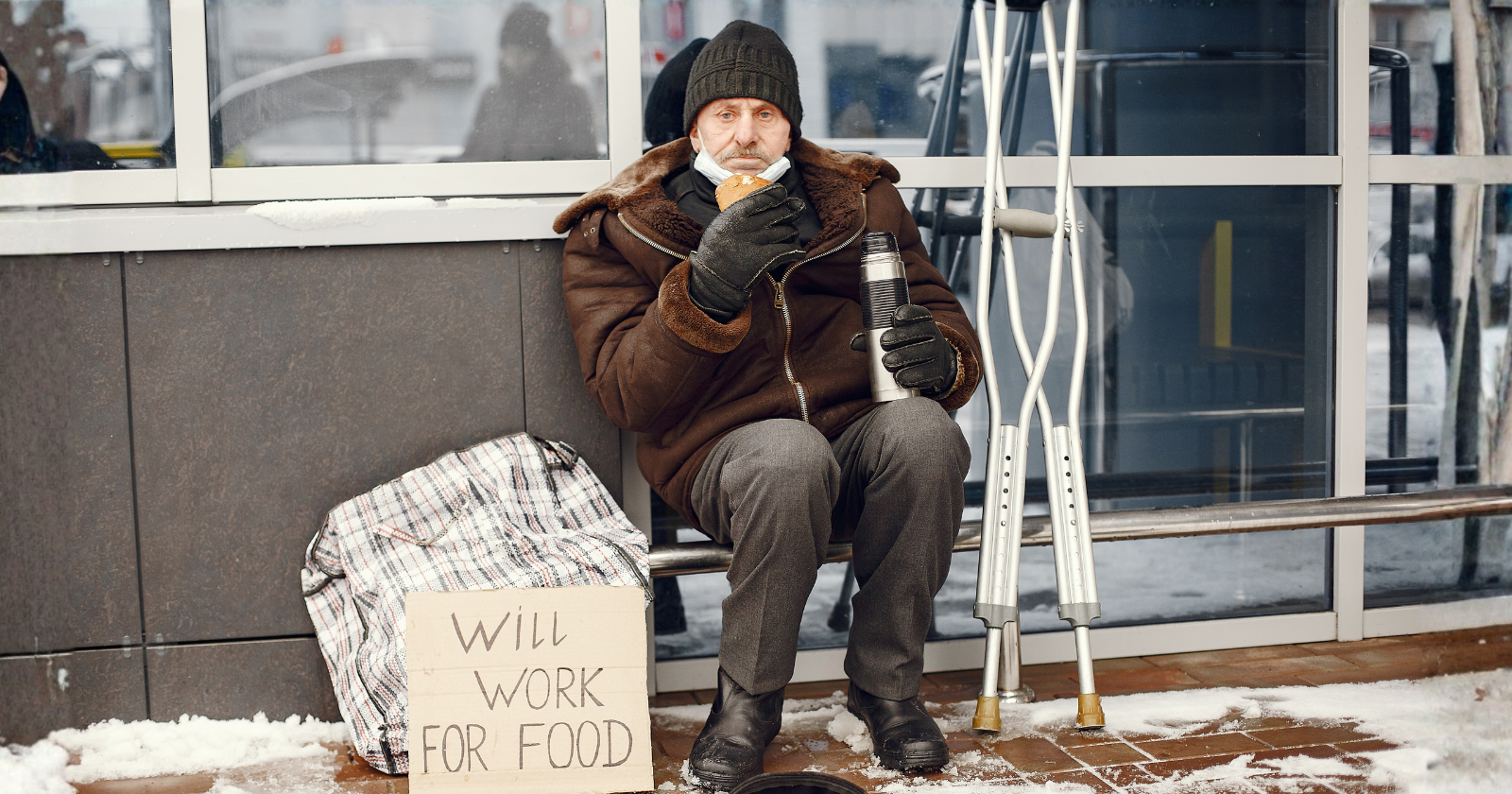
Across the United States, a demographic shift in homelessness has emerged with troubling implications. Older adults now represent one of the fastest-growing segments of the homeless population, yet the infrastructure designed to help them remains woefully unprepared for their unique needs.
As housing costs continue to outpace fixed incomes and the nation’s population ages, the gap between what seniors require and what the shelter system can provide has become a critical issue demanding immediate attention.
According to data from the U.S. Government Accountability Office, approximately 146,000 older adults aged 55 and up experienced homelessness on a single night in 2024, marking a 6% increase from the previous year. This represents roughly 20% of the total homeless population, and the trajectory shows no signs of slowing.
What makes this trend particularly concerning goes beyond the numbers: many of these individuals are experiencing homelessness for the first time in their lives, pushed into crisis by circumstances that overwhelm their limited resources.
Why seniors are losing housing stability
The pathway to homelessness for older adults often begins with a traumatic trigger event combined with financial vulnerability. The death of a spouse, job loss, eviction, or the sudden onset of serious health issues can rapidly destabilize seniors living on fixed incomes. When these shocks occur, many older adults lack the financial cushion or earning potential to recover.
The math simply doesn’t add up for many seniors attempting to maintain housing. Supplemental Security Income provides just $943 per month for individuals in 2024, well below the federal poverty level and representing only 74% of what the government defines as poverty-line income. Meanwhile, average rent continues to climb nationwide, forcing those on fixed incomes to make impossible choices between housing, food, and medical care.
Housing affordability pressures hit seniors particularly hard because they often cannot increase their income through additional work. Those relying on Social Security retirement benefits or disability payments face a ceiling on their monthly resources while costs continue to rise around them. The U.S. population aged 65 and over has surged by 34% over the past decade, and the infrastructure to support affordable senior housing has not kept pace with this demographic wave.
Shelters designed for younger populations
When older adults do become homeless, they encounter shelter systems that were never designed with their needs in mind. Traditional homeless shelters present numerous obstacles for seniors dealing with mobility limitations, chronic health conditions, and functional impairments that come with age.
In an interview with NPR, Caitlin Synovec, assistant director of the National Health Care for the Homeless Council, detailed the daily challenges seniors face in typical shelter environments. Getting in and out of bunk beds becomes impossible for those with arthritis or back problems. Shared bathrooms with limited accessibility features create difficulties for individuals using wheelchairs or walkers. Slippery floors pose fall risks to those with balance issues. Many shelters lack grab bars, raised toilet seats, or step-free showers that would make basic daily activities manageable for older bodies.
Health complications further complicate shelter stays. Older adults with incontinence often face rejection from shelters unprepared to accommodate this common age-related condition. Those requiring oxygen therapy may be turned away due to fire safety concerns. The inability to manage medications properly in chaotic shelter environments can lead to serious health crises. In one tragic 2022 case in Montana, an older adult froze to death after being asked to leave a shelter because of incontinence.
The physical infrastructure represents only part of the problem. Many shelters require residents to be completely independent in activities of daily living, meaning they must be able to feed themselves, shower, toilet, and move around without assistance. This excludes many older adults who fall into a gap: too independent for nursing homes but requiring more support than standard shelters can provide.
The search for solutions
Some communities have begun developing specialized approaches to address senior homelessness. In Sandy, Utah, the Medically Vulnerable People shelter represents a new model designed specifically for older adults and those with complex health needs. Instead of crowded dormitories with bunk beds, the facility offers semiprivate rooms with individual bathrooms, accommodating wheelchairs and preserving dignity for those managing age-related health issues. The shelter permanently housed 36 older adults in the first 11 months of 2025, though its waitlist hovers around 200 people.
Similar specialized shelters have opened in Florida, California, and Arizona, recognizing that serving older homeless populations requires more than slight modifications to existing facilities. These programs often integrate on-site healthcare services, case management tailored to senior needs, and partnerships with agencies that can provide longer-term supportive housing options.
Federal agencies have also increased coordination efforts. The Department of Housing and Urban Development announced $115 million in grants to support the development of supportive housing for low-income seniors through the Section 202 program. The interagency Housing and Services Partnership Accelerator helps states address the health and housing needs of older adults at risk of homelessness. Yet these initiatives represent only a fraction of what’s needed given the scale of the crisis.
Looking ahead
The convergence of an aging population, stagnant benefit programs, and soaring housing costs suggests that senior homelessness will continue to rise unless significant systemic changes occur. Advocates emphasize the need for scaled rental subsidies, expanded accessible housing development, and better integration between healthcare and housing services.
More immediately, shelters need resources to make physical modifications: eliminating bunk beds, increasing space for mobility devices, adding accessibility features to bathrooms, and training staff to work with older adults managing chronic conditions. Finding housing solutions becomes even more challenging given the limited supply of affordable units with accessibility features like grab bars, widened doorways, and step-free entrances.
The situation also highlights the importance of preventing senior homelessness before it occurs. This means strengthening safety net programs, increasing Social Security and SSI benefit levels to keep pace with actual living costs, and creating more robust eviction prevention services targeted at older adults.
As the Baby Boomer generation continues to age, the potential for a “silver tsunami” of elderly homelessness looms larger. Without significant investment in both prevention and specialized services, communities across America will continue struggling to meet the needs of their most vulnerable older residents.
The question facing policymakers and communities remains urgent: will the system adapt in time, or will growing numbers of older adults spend their final years without the dignity and security of stable housing?