Put Morningstar vs Robinhood in a search bar and you get a lot of articles pretending this is a fair fight. It isn’t. These two products barely overlap. Morningstar Investor is a research subscription — it tells you what a company is worth and whether a fund is any good. Robinhood is a brokerage — it takes your order and executes it. One is the map. The other is the car.
The useful question isn’t which one wins. It’s whether you need both, and the honest answer for most people who are past the beginner stage is yes. The SEC’s own guidance on analyzing analyst recommendations is that you should never rely on a single source when deciding what to buy — which is exactly the trap you fall into when your only research is whatever your broker puts in front of you.
What You Get
Independent research on 1,600+ mutual funds & ETFs — no conflicts of interest
Portfolio X-Ray reveals hidden overlaps, sector concentration & fee drag
120+ global analysts covering ~1,000 stocks with fair value estimates
Advanced stock, fund & ESG screeners with 40+ filter criteria
Access via web, iOS & Android — watchlists and portfolios sync across devices
What You Get
U.S. stocks, ETFs, options, and cryptos — all commission-free
Excellent for beginners and advanced investors
Cash management account and credit card
Upgrade to Gold for better rates on cash, margin, and a 3% IRA contribution match
Below: what each platform actually does, where the overlap is (there is some, and it matters), what both cost, and how to run them together without paying twice for the same thing.
Morningstar vs Robinhood at a Glance
Open a Robinhood Account and Get a Free Stock Worth $5 to $200
What Morningstar Investor Actually Does
Morningstar has been rating funds since 1984 and covering stocks with a formal analyst team for decades. It sells research and nothing else — no brokerage, no custody, no order flow. That independence is the entire product. Morningstar Research Services is an SEC-registered investment adviser rather than a broker-dealer, so it has no stake in how often you trade.
Fair Value Estimates and the Star Rating
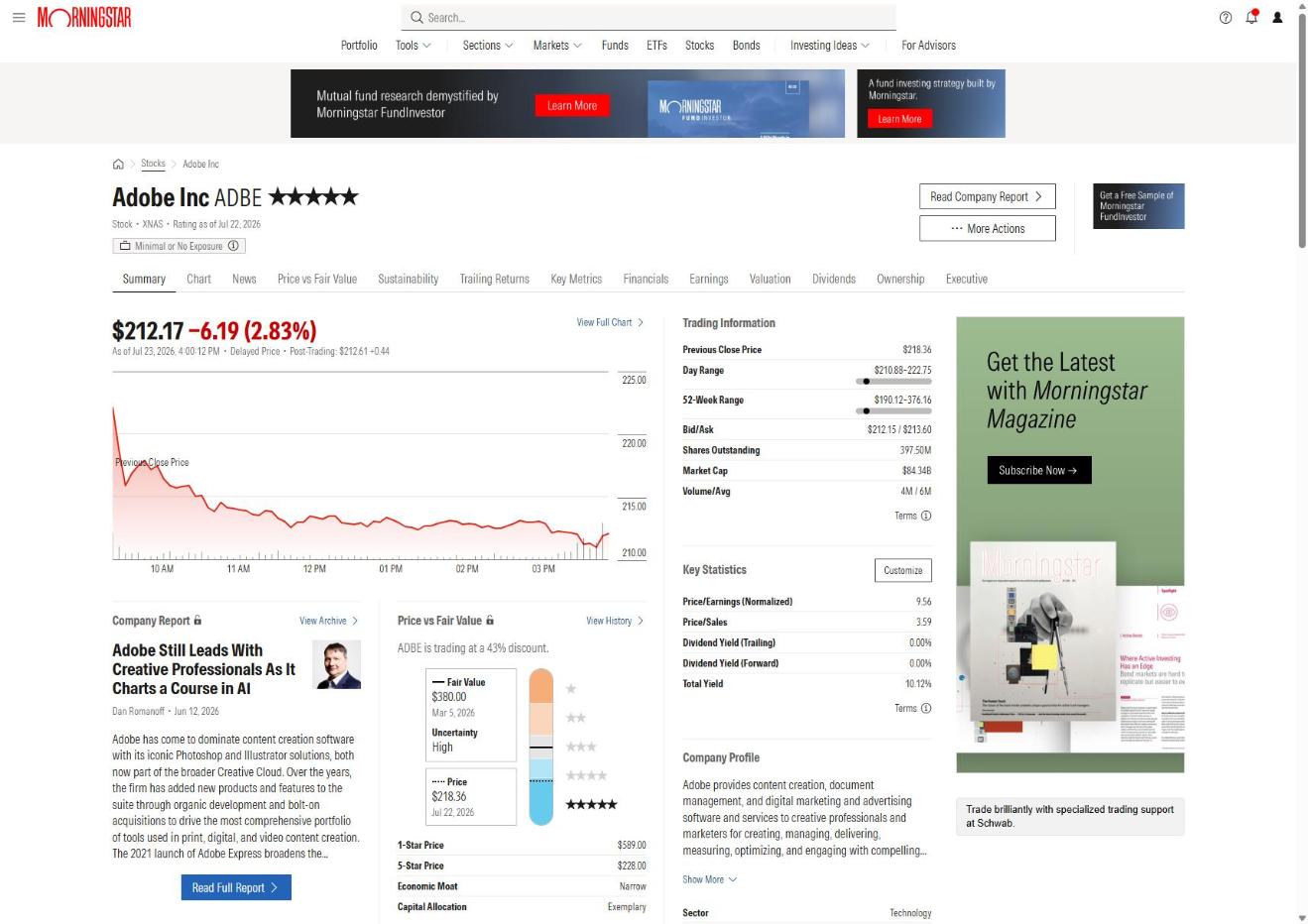
This is the reason most people subscribe. Morningstar analysts publish a Fair Value Estimate — what they think a share is actually worth — and then a 1-to-5 star rating based on how far the market price sits from it. Five stars means significantly undervalued. One star means the opposite.
Alongside it sits the Economic Moat Rating (wide, narrow, or none), Morningstar’s judgment on whether a company has a durable competitive advantage. Analyst coverage runs to roughly 1,500 companies, with quantitative ratings extending across tens of thousands more.
The Screener
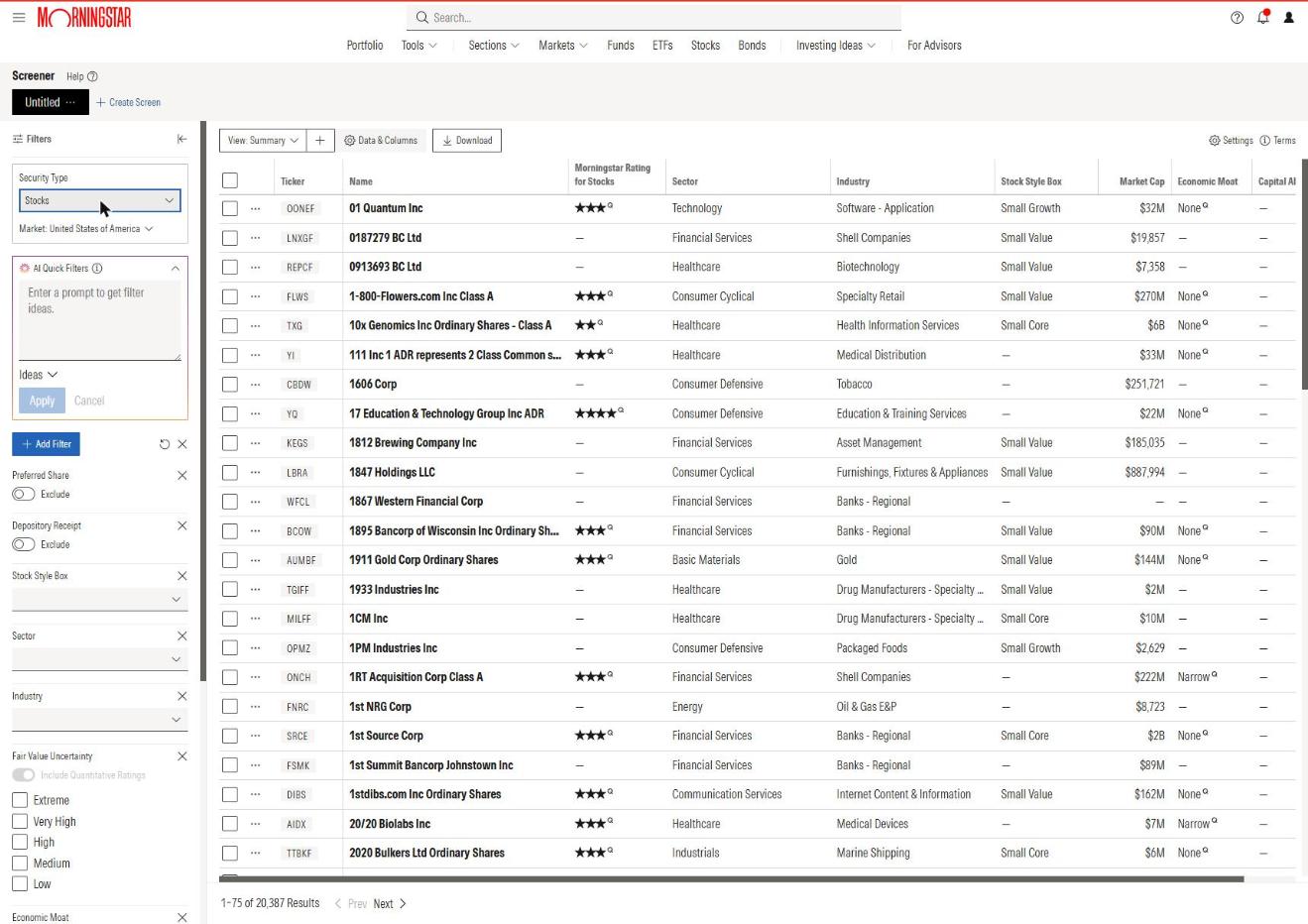
Morningstar’s screener runs across stocks, funds, ETFs, and indexes with more than 200 data points, plus saved screens and alerts when something you’re watching changes rating. Recent updates added natural-language filters, so you can describe what you’re hunting for instead of assembling it filter by filter.
Portfolio X-Ray
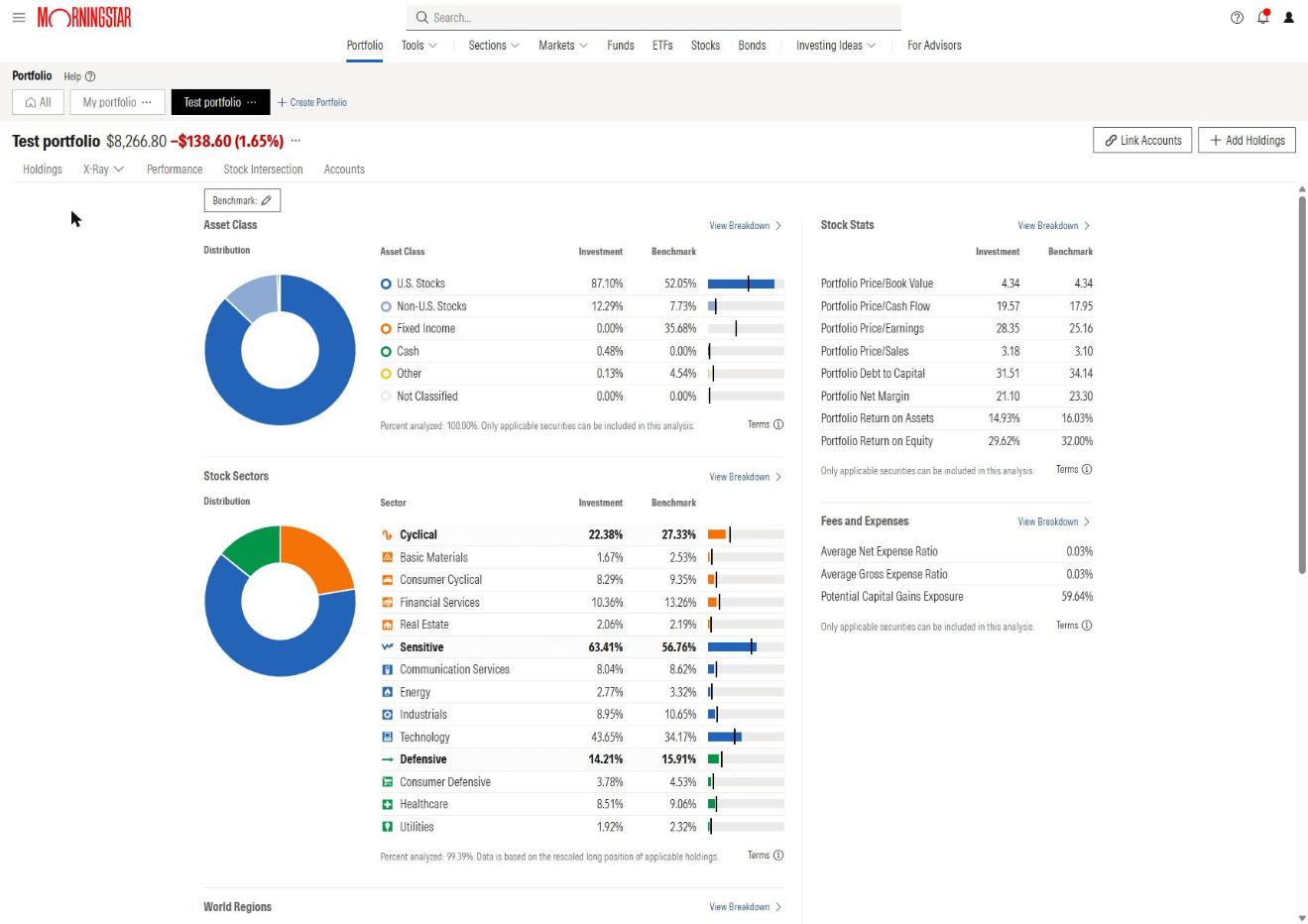
X-Ray is the tool no broker gives you. Feed it your holdings and it breaks down your true asset allocation, sector concentration, geographic exposure, style box position, and blended fees. Stock Intersection then shows you the thing most people get wrong — how much of the same underlying company you own across three different funds that all quietly hold the same megacap.
Fund and ETF Research
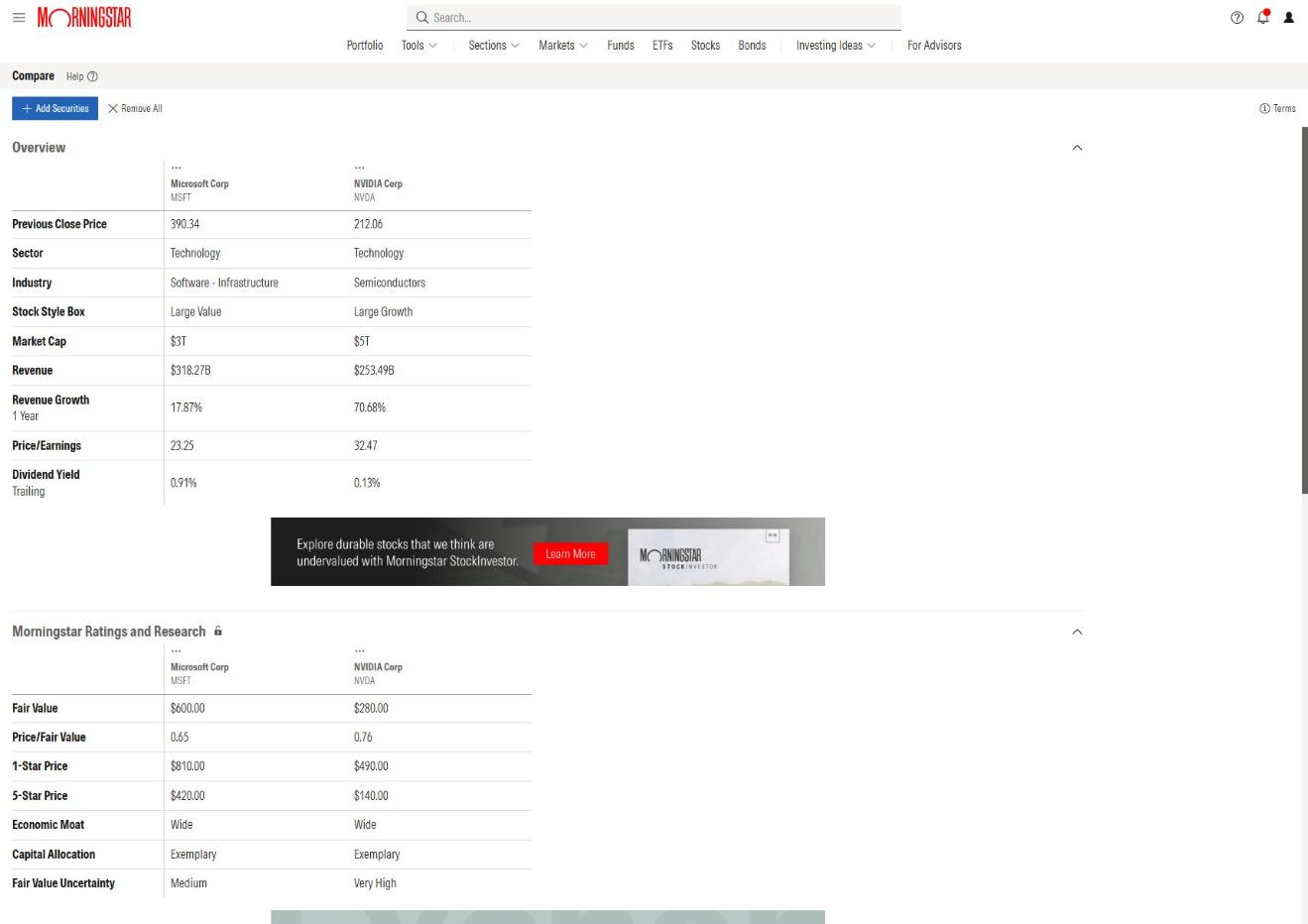
If you own funds or ETFs, Morningstar is close to unavoidable. The Medalist Rating — Gold, Silver, Bronze, Neutral, Negative — is forward-looking analyst judgment rather than a backward-looking performance score, and it covers hundreds of thousands of share classes globally. No broker publishes anything comparable.
Start a 7-Day Free Trial of Morningstar Investor and Save $50 on Your First Year
What Robinhood Actually Does
Robinhood’s job is execution, and it is very good at the part that costs you money. Commission-free trading on stocks, ETFs, and their options. Fractional shares from $1. Extended trading hours 24 hours a day, five days a week. Recurring investments. IPO Access, which lets ordinary accounts buy at the IPO price rather than after the first-day pop.
It has also stopped being a toy. Robinhood now offers retirement accounts with a contribution match, managed portfolios through Robinhood Strategies, futures, and prediction markets.
Robinhood Legend
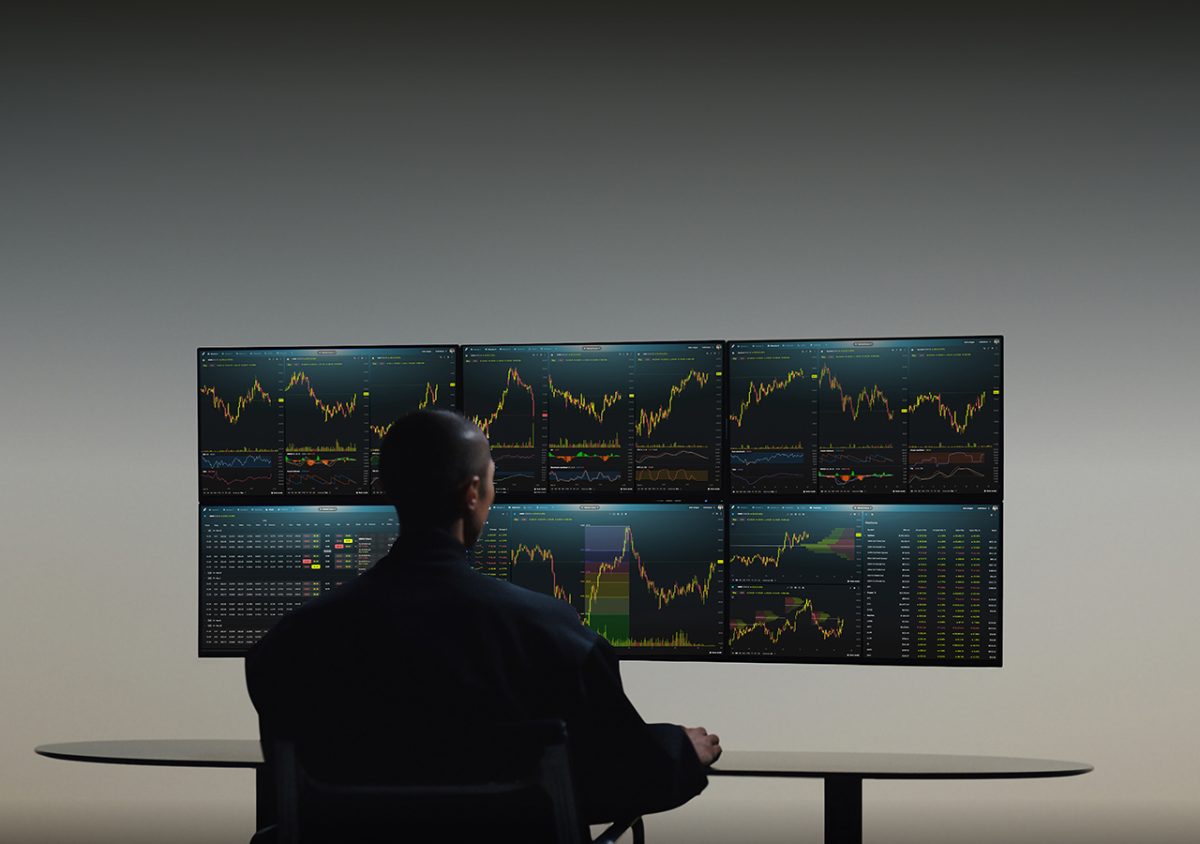
Legend is Robinhood’s desktop platform, and it’s free with any Robinhood account. Custom layouts, linked widgets across multiple monitors, a full options chain, and sub-second data. You can place, edit, and manage orders directly on the chart.
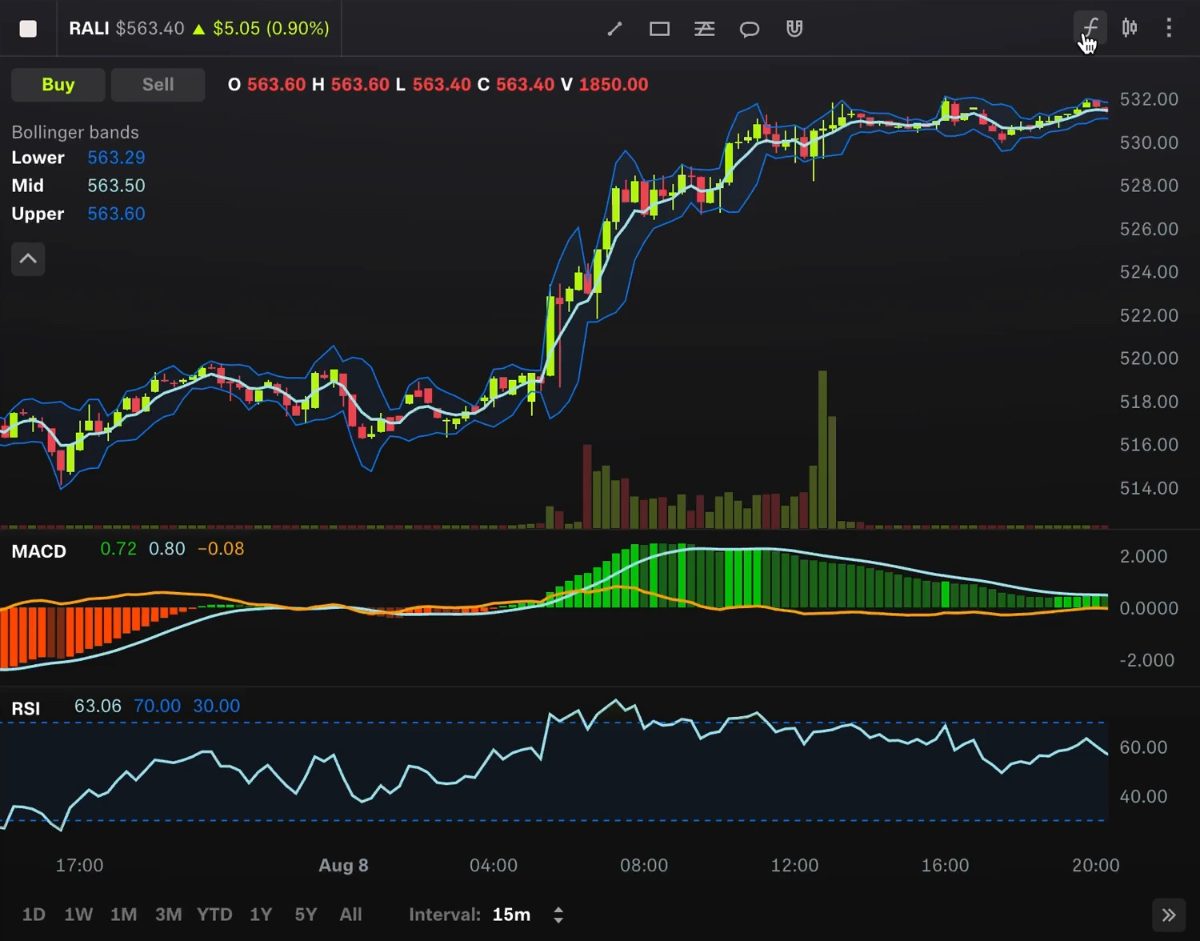
For anyone who trades on charts rather than fundamentals, this is a serious platform that competitors charge for.
Robinhood Gold
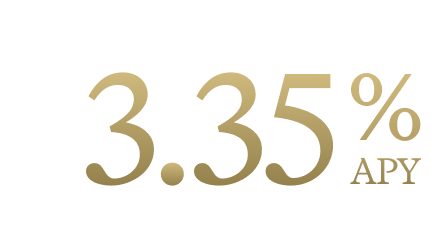
Gold costs $5 a month and bundles 3.35% APY on eligible uninvested brokerage cash, larger instant deposits, the first $1,000 of margin interest-free, and Robinhood Cortex — an AI assistant that explains why your holdings are moving.
The Overlap Nobody Mentions: Robinhood Gold Includes Morningstar Research
Here’s the wrinkle that most comparison articles skip. Robinhood Gold bundles in professional research from Morningstar. Gold members get access to Morningstar analyst reports inside the Robinhood app, which is a genuinely good deal for $5 a month.
So does that make a separate Morningstar Investor subscription redundant? No — but you should understand what you are and aren’t getting:
The short version: Gold gives you Morningstar’s opinion on individual stocks. Investor gives you Morningstar’s whole toolkit — the fund research, the screening, and the portfolio analysis that tells you whether the collection of things you own actually makes sense together. If you only ever buy a handful of large-cap US stocks, Gold’s research may be enough. If you own funds, or more than a dozen positions, it isn’t close.
Try Morningstar Investor Free for 7 Days — Then Save $50 on Year One
Pricing: What Each One Costs
Morningstar’s annual plan works out to about $20.75 a month against $34.95 monthly, so paying yearly is the obvious move if you’re going to keep it. With the $50 first-year discount that drops to $199, or $16.58 a month. We keep a running list of current offers in our guide to the Best Morningstar Discount Offers and Promo Codes, including the student and military rates.
Robinhood’s cost is genuinely zero to start, and the new-account bonus is real — a free stock worth somewhere between $5 and $200. Our breakdown of the Robinhood Free Stock promotion covers the odds and the fine print.
Why the Verdict Is “Both”
The case for running them together is simple, and it’s about incentives.
Your broker makes money when you transact. Morningstar makes money when you renew a subscription, which happens when its calls turn out to be right. Those are different incentives, and keeping your research separate from your execution means the thing telling you what to buy has no stake in how often you buy it.
There’s also a practical division of labour:
Morningstar answers “should I own this?” — fair value, moat, fund quality, what your portfolio actually looks like underneath.
Robinhood answers “how do I own it, cheaply?” — zero commissions, fractional shares, extended hours, a decent desktop platform.
Together they cover the whole loop. Research on one screen, execution on the other, and neither one grading its own homework.
Total cost of running both: $199 for the first year of Morningstar Investor with the discount, plus $0 for Robinhood — less if you use the 7-day trial to decide whether Morningstar earns its place before you pay anything.
Who Should Skip One of Them
Skip Morningstar if you only buy broad index funds on a schedule and never plan to evaluate an individual company. A three-fund portfolio does not need X-Ray.
Skip Morningstar if you already pay for Robinhood Gold, own fewer than a dozen large-cap US stocks, and no funds. The research bundled into Gold probably covers you.
Skip Robinhood if you need something it does not support, such as certain account types or a full-service adviser relationship. For plain stock, ETF, options, and retirement investing, it holds up.
Use both if you pick individual securities, own funds or ETFs, or hold more than a handful of positions. That is when independent research and portfolio analysis start paying for themselves.
How to Set Them Up Together
Open the Robinhood account first. It costs nothing and the free stock lands in it.
Start the 7-day Morningstar Investor trial. No reason to pay before you have tested it.
Build a watchlist in Morningstar of anything you already own or are considering, and turn on rating-change alerts.
Run Portfolio X-Ray on your actual holdings. Most people find at least one concentration they did not know they had.
Execute in Robinhood. Take the $50 first-year discount on Morningstar if you decide to keep it.
Claim Your Free Stock (Worth $5 to $200) With a New Robinhood Account
The Bottom Line
Morningstar vs Robinhood is the wrong frame. Morningstar Investor is the best independent research product a retail investor can buy for a couple of hundred dollars a year, and it cannot execute a single trade. Robinhood is one of the cheapest, fastest ways to buy securities in the United States, and its research — even with Morningstar bundled into Gold — is a subset of the real thing.
Use Morningstar to decide. Use Robinhood to act. The 7-day trial and the free-stock bonus mean you can test the whole setup for nothing.
Morningstar vs Robinhood FAQs
They do different jobs, so neither is strictly better. Morningstar Investor is an independent research subscription with fair value estimates, moat ratings, fund analysis, and Portfolio X-Ray. Robinhood is a commission-free brokerage that executes trades. Most active investors benefit from using both.
No. Morningstar Investor is research only — it has no brokerage, no custody, and no trading. You need a broker such as Robinhood to actually place orders.
Yes. Robinhood Gold members get professional research from Morningstar inside the Robinhood app. It covers analyst reports on stocks but does not include the fund Medalist Ratings, full screener, Portfolio X-Ray, or watchlist alerts that come with a Morningstar Investor subscription.
Morningstar Investor is $34.95 per month or $249 per year. There is a 7-day free trial, and a $50 discount on the first year brings the annual price to $199. Prices are subject to change.
Opening a Robinhood account is free and stock, ETF, and options trades are commission-free, though other fees may apply. Robinhood Gold is an optional $5 per month subscription. New accounts currently receive a free stock worth between $5 and $200.
If you buy individual stocks or funds, yes — research and execution are separate jobs, and keeping them with separate companies avoids relying on a broker to grade the investments it earns money from. If you only buy broad index funds on autopilot, Robinhood alone is likely enough.