I used to think the hardest part about getting older would be the physical stuff. The knees that complain when you get out of bed. The reading glasses you can’t find because you need your reading glasses to find them. But that’s not it.
The hardest part is realizing you’re becoming a stranger to yourself. Not because you’ve changed—though you have—but because the people who knew all your versions are disappearing. And with them goes the evidence of who you used to be.
The shrinking circle of memory
Last month, I ran into a guy at the hardware store who worked on my crew twenty years ago. He didn’t recognize me. Not because I look that different—okay, maybe the hair’s grayer—but because the version of me he remembered doesn’t exist anymore. The guy who could haul a hundred pounds of wire up three flights without breaking a sweat. The guy who had plans to expand the business, maybe open a second location.
That guy’s gone. And so is his memory of him.
Dr. Rebecca Ready, a Professor of Psychological and Brain Sciences, says “Memory declines with age but the story is not so simple.” She’s right. It’s not just our memory that declines—it’s the collective memory of who we were.
Think about it. The people who knew you at twenty are different from the ones who knew you at forty. By sixty, that first group has thinned out considerably. Deaths, moves, lost connections. Each person who goes takes with them a piece of your history.
My best friend from high school moved to Arizona fifteen years ago. We talk maybe twice a year now. When we do, he still brings up the time I tried to ask Jenny Morrison to prom and accidentally asked her sister instead. Nobody else remembers that. When he’s gone, that version of me—the nervous kid who couldn’t tell two blonde sisters apart—goes with him.
When your witnesses disappear
Here’s what nobody tells you: we exist partly in other people’s memories. Their stories about us, their knowledge of what we’ve overcome, what we’ve built, what we’ve survived—that’s part of who we are.
The National Academies of Sciences, Engineering, and Medicine found that “Social isolation and loneliness are serious yet underappreciated public health risks that affect a significant portion of the older adult population.”
But they’re talking about being alone in the present. What about being alone with your past?
I had a buddy who knew me when I was just starting the business. He watched me go from one van to a crew of six. He knew about the time I almost went under, the big contract that saved me, the mistake that cost me ten grand. When he died last year, all those stories became just my stories. No witnesses. No one to say, “Remember when?”
The isolation isn’t just about having fewer people around. It’s about having fewer people who can vouch for your history.
The weight of being your own historian
Dr. Thomas R. Verny, a psychiatrist, says “Loneliness is synonymous with perceived social isolation, not with objective social isolation.”
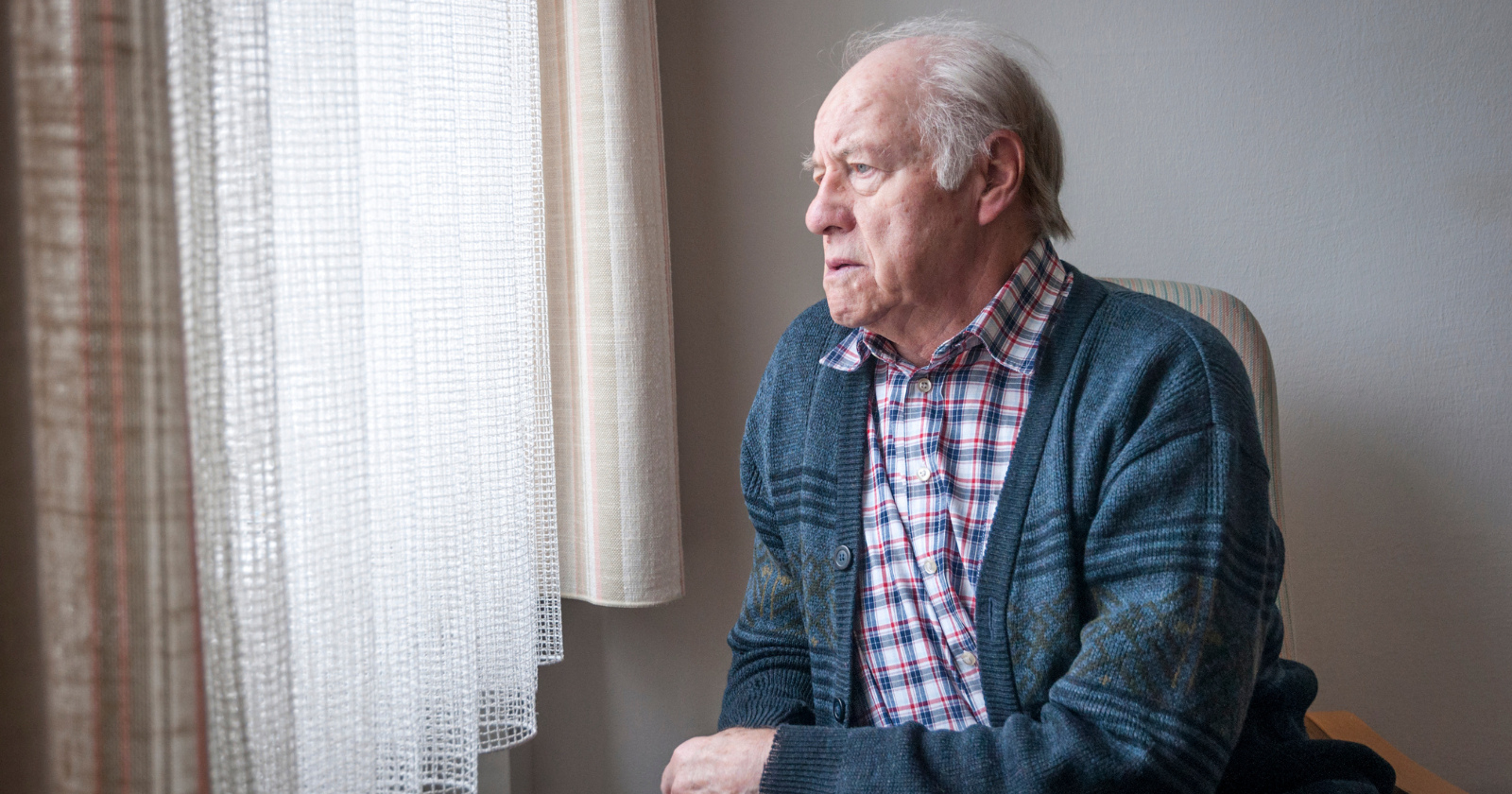
He’s got a point. You can be surrounded by people and still feel alone if none of them knew you before. If they only know the retired version, the grandfather version, the guy who moves a little slower and forgets why he walked into the room.
They don’t know about the time you worked a thirty-six-hour emergency call to restore power after the ice storm. They don’t know you once rewired an entire restaurant in one weekend so they could open on time. They don’t know you were fast, capable, the guy people called when they needed something done right.
And here’s the kicker—you start to forget too. Without other people to remind you, to tell those stories, your own history starts to feel less real. Did I really do all that? Was I really that person?
Sometimes I catch myself looking at old photos, trying to connect with that younger version. Guy with a full head of hair and a tool belt, standing next to his first work van. I know it’s me, but it feels like looking at a stranger.
Finding meaning in the fading
Researchers conducting a longitudinal study found that social isolation is associated with increased risk of cognitive decline in older adults, emphasizing the importance of maintaining social connections to preserve cognitive health.
But what kind of connections? The new ones you make at sixty-five aren’t the same as the ones you had at twenty-five. They can’t be. Those people don’t know your whole story.
I’ve been thinking about this a lot lately. Maybe the answer isn’t to mourn the shrinking circle. Maybe it’s to become your own keeper of stories. Write them down. Tell them to whoever will listen. Not to brag, but to keep them alive.
Donna bought me a journal as a joke when I retired. Turns out, writing helps. Not just with processing the present, but with preserving the past. Every story I write down is one that won’t disappear when I do.
Betty Friedan, author and activist, once said “Aging is not lost youth but a new stage of opportunity and strength.”
Maybe she’s right. Maybe the opportunity is to become the guardian of your own history. To stop relying on others to remember who you were and start taking responsibility for keeping those memories alive.
Bottom line
Getting older means watching your autobiography lose its co-authors one by one. The people who knew you when you were whole and fast and full of plans—they’re disappearing. And yeah, that’s isolating in a way that has nothing to do with being alone on a Saturday night.
But here’s what I’ve learned: you can’t stop the circle from shrinking. What you can do is make peace with being the keeper of your own story. Write it down. Tell it. Own it.
Because in the end, the most important witness to your life is you.